• Skip to main content
  • Skip to primary sidebar

Nibbling Nomad

June 30, 2025 Uncategorized

18 Best Things To Do In Cefalu

Have you ever visited Sicily? Sicily holds some of the worlds most historic towns and is home to generous and hospitable people, and this includes the town of Cefalu. I was lucky enough to finally grab my long deserved vacation there with my son Gabriel, and we enjoyed ourselves immensely. 
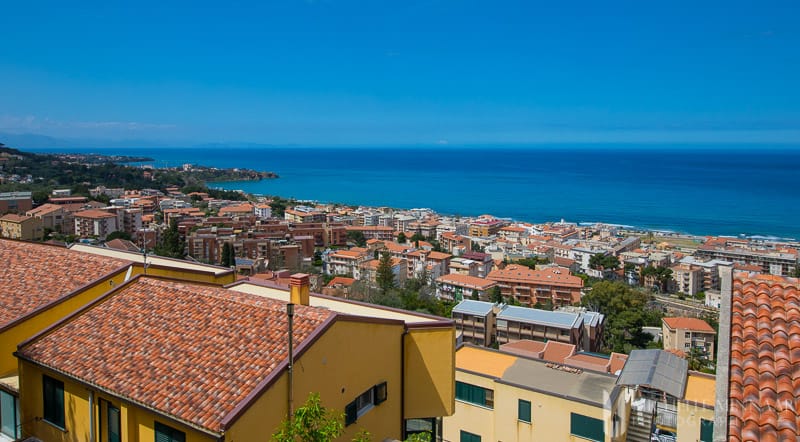
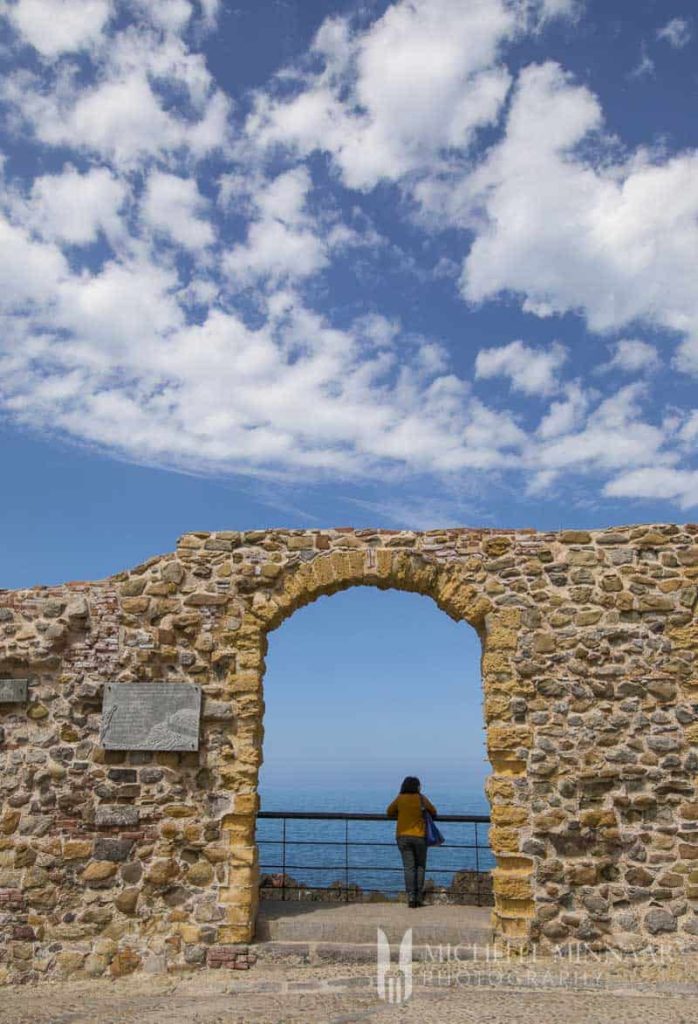
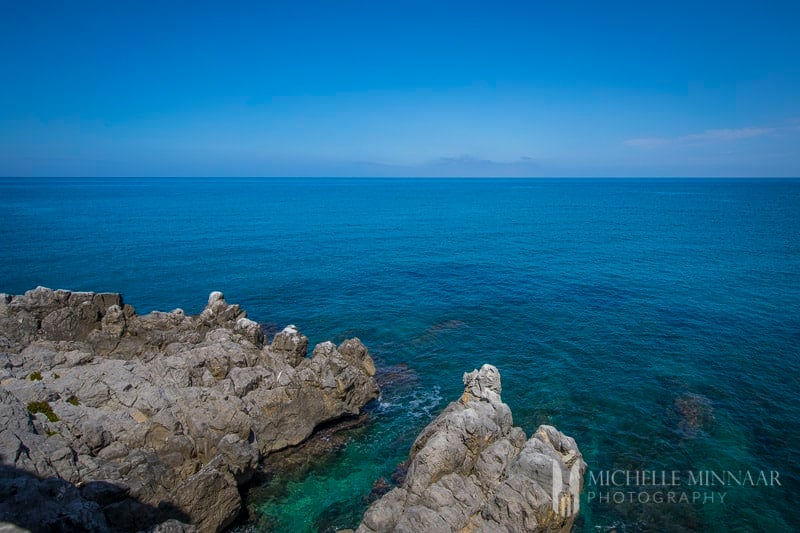
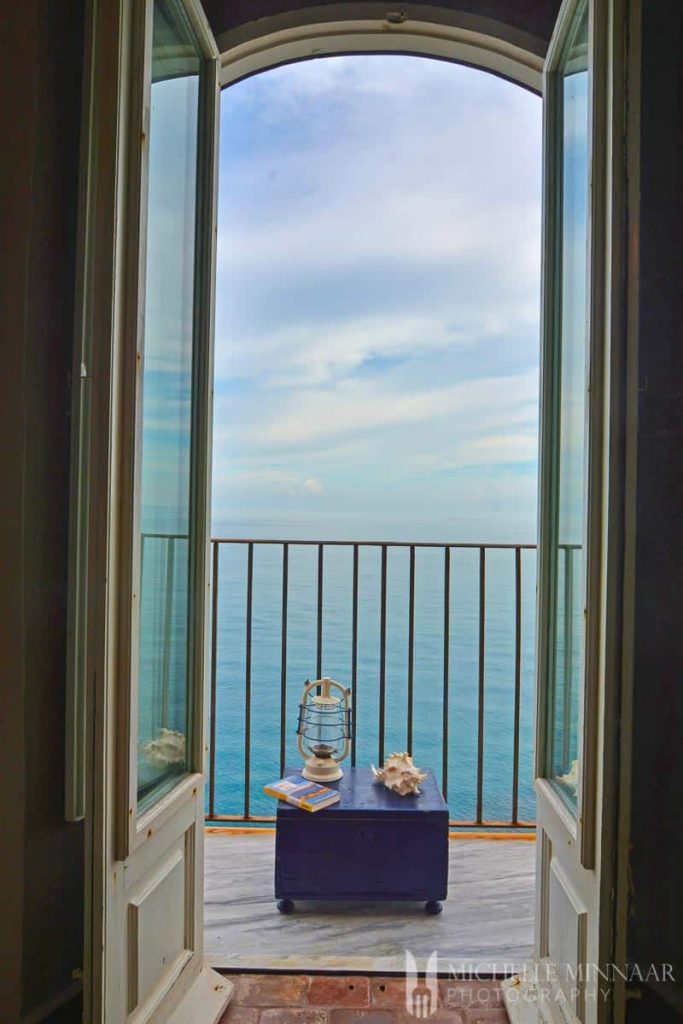
As you can see, Cefalu is filled with breath takingviews of the Mediterranean, and has some of the most beautiful architecture I’ve ever seen. There are plenty of things to do in Cefalu, and I’ve taken my time to explore this incredible historic city. Keep reading to find out more about Cefalu and the best things to do in Cefalu.

Where to stay in Cefalu

Massimmo Villas – Terrazzo Gabbiano

First things first. Where is the best place to stay in Cefalu?

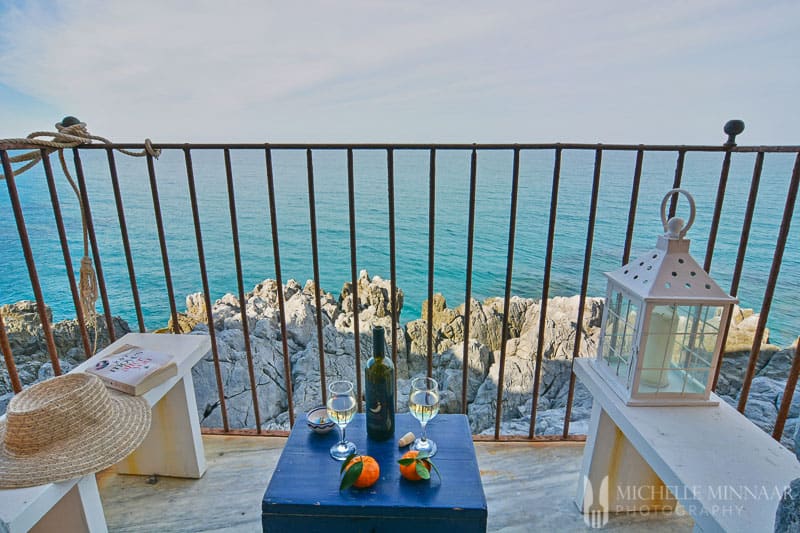
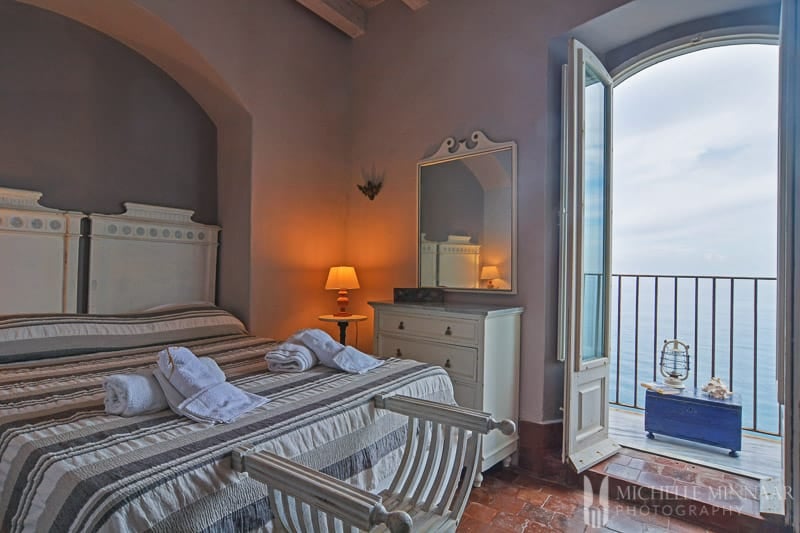
Well, I stayed at Massimo Villas‘ Terrazzo Gabbiano. Massimo Villas offers a collection of beautiful luxury villas in Sicily, Puglia, Tuscany, Sardinia and Formentera. The owner, Massimo Provenza, has a special connection to Sicily and he and his team is responsible for managing your stay and giving you the best possible experience. This, of course, is what sets Massimo Villas apart from any other accommodation. You’ll be equipped with an entire travel guide on food and wine, tours, things to see, things to know, best beaches and so much more! So, if you decide to visit any of these places and are looking for top notch accommodation, this is the place to stay!
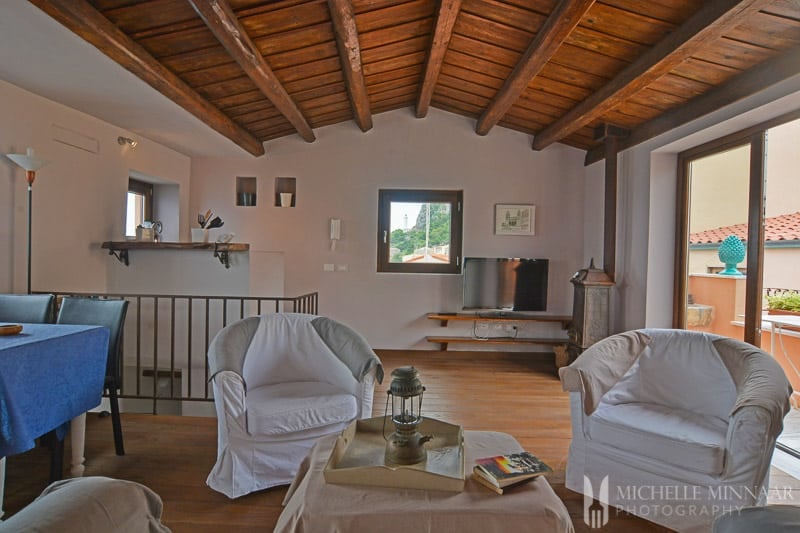
Once you book the villa that you like, you can choose amongst many of the company’s services for a full Massimo Villas Experience. First, you can indulge in organising private events such as team buildings, private tours and the like. You can also use this villa service to help you organise many sea activities, such as snorkeling or helping you find the best beaches around. Wouldn’t you want to get a glimpse of the rich marine life in the coast of Cefalu? If you travel with children, don’t worry. Massimo Villas also has multiple kids activities available to keep your little ones occupied!
However, my favourite item of the concierge services available is where you can hire a private chef to come and cook traditional Sicilian dishes for you! Having a chef, such as Antonio Quartana a.k.a. Nino, coming to cook for you in your villa is just one of the foodie options available. Another is where you can actually attend a cooking class to learn more about Sicilian cuisine. You will find out more further down. To find out more information on the range of other villa services, please click right here.
Things to do in Cefalu

Cefalu is an incredibly charming, little Sicilian town  located on the northern coast of Sicily. It’s one of those secret getaway places that you hope to find and revisit every time you get the chance.  As it is a coastal town, it offers plenty of attractions from swimming in some of the gorgeous beaches on the coast of Cefalu, to city center promenades and discovering Sicilian history by visiting centuries old sites. In Cefalu, you’ll also find sandy beaches, old harbours and dramatic mountain cliffs which, form a spectacular backdrop to Cefalu.

Moreover, once you are in Cefalu, you’ll need to indulge yourself in Sicilian culture and try Sicilian wine and the rich Sicilian cuisine. You might come across dishes such as caponata alla siciliana like this one, or pastella alla palermitana. These are just some of the things you can do in Cefalu, but in this post I will detail every attraction that you should visit if you ever visit Cefalu. These 18 things must be on your list of things to do in Cefalu!

1) Eat Sicilian Food

Greedy Gourmet is my food blog after all, so naturally food comes first. Here is just a fraction of the type of food you simply must try when in Cefalu, and Sicily in general.

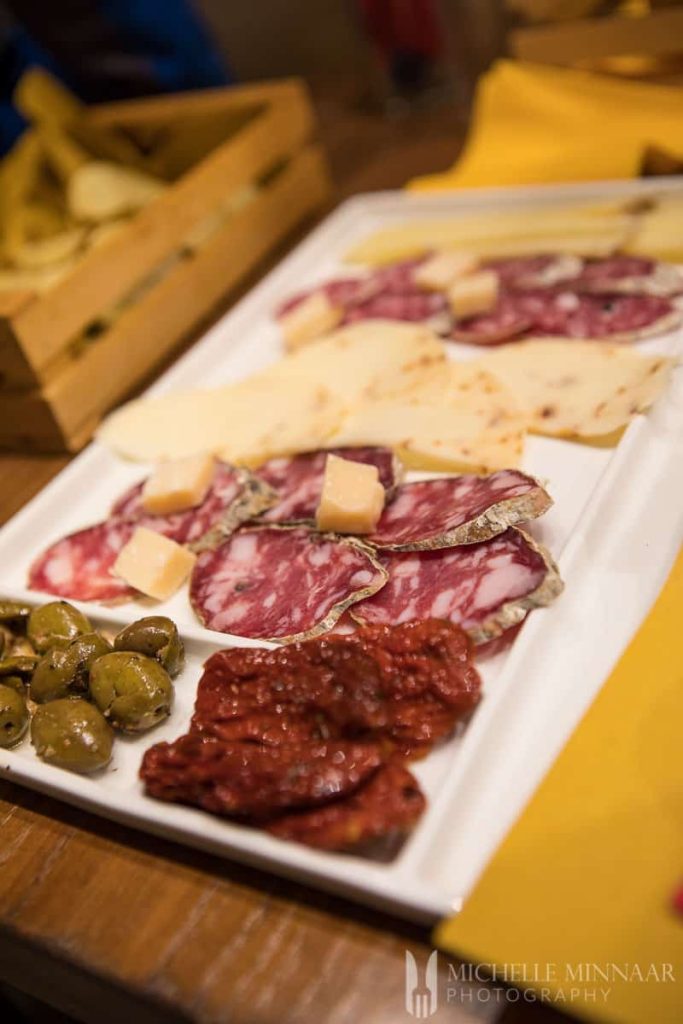
Antipasti

No Italian meal is complete without its first course, which includes olives, sundried tomatoes and various types of cured meats and cheeses. Readily available everywhere.
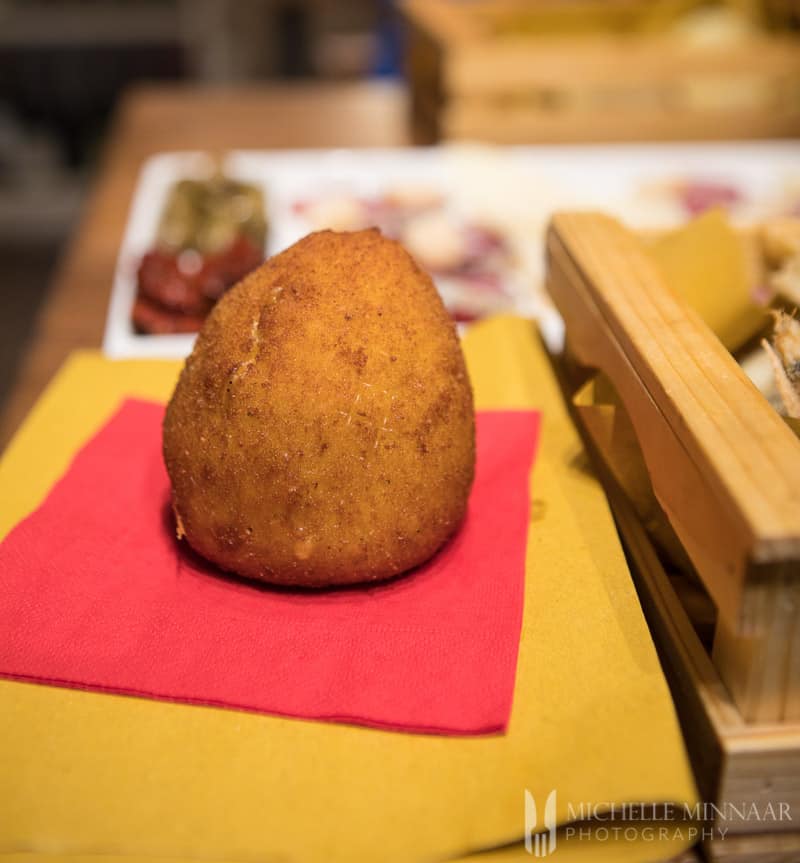
Arancini

These are rice balls that are stuffed with meat, cheese or vegetables, which are then covered in breadcrumbs and deep-fried. On mainland Italy this street food is mainly round in shape but in Sicily, especially in the east they tend to be more conical.
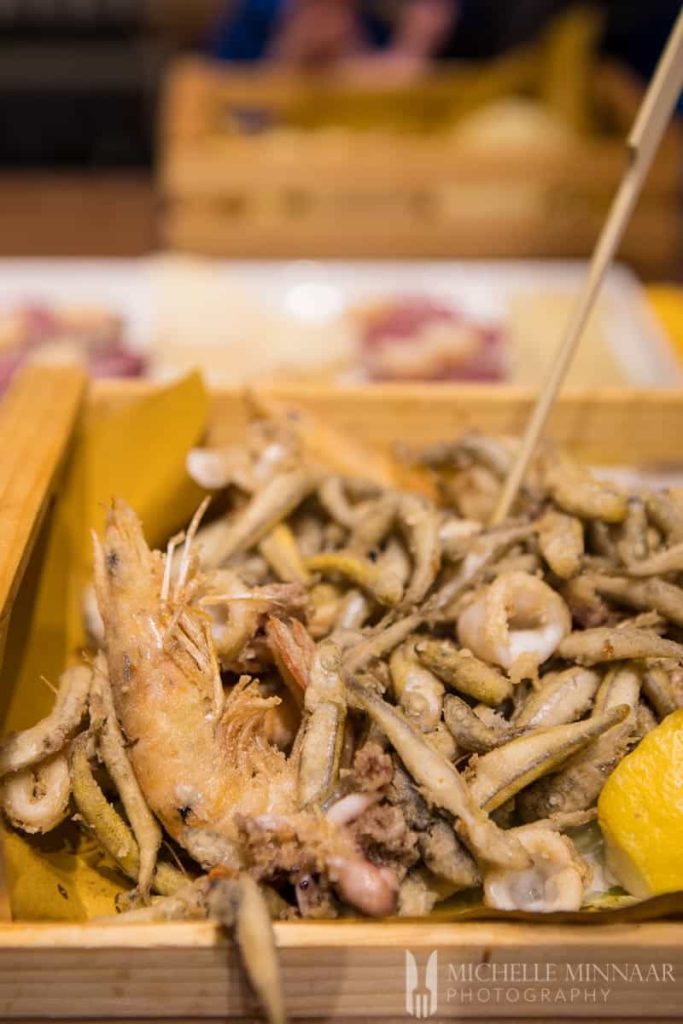
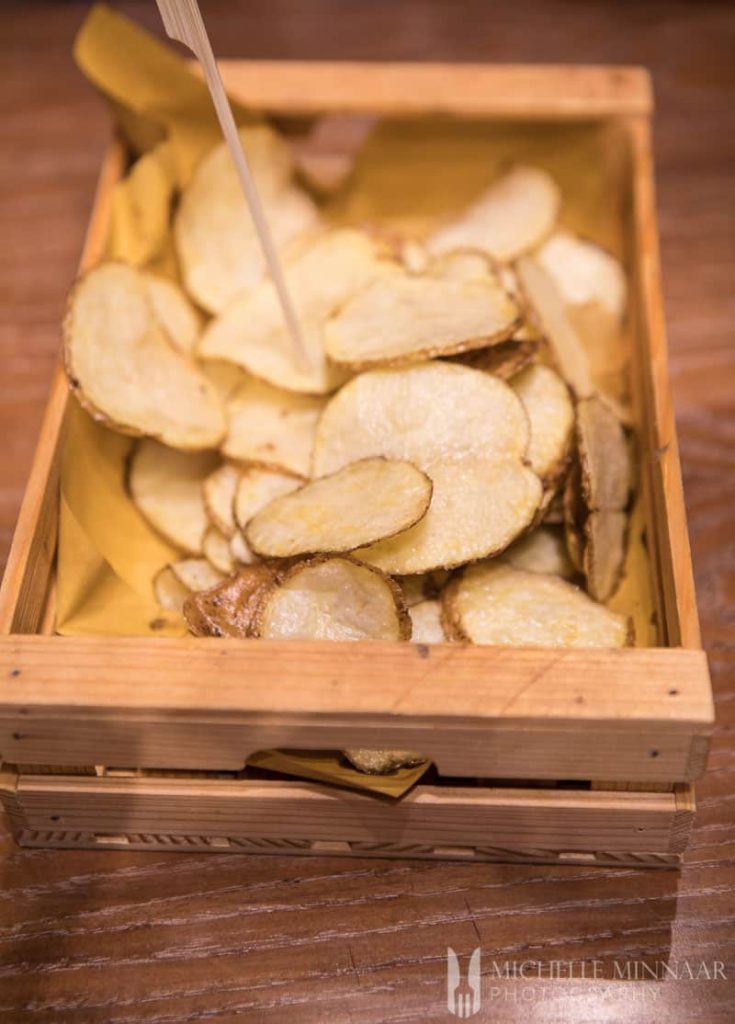
Frittura di paranza

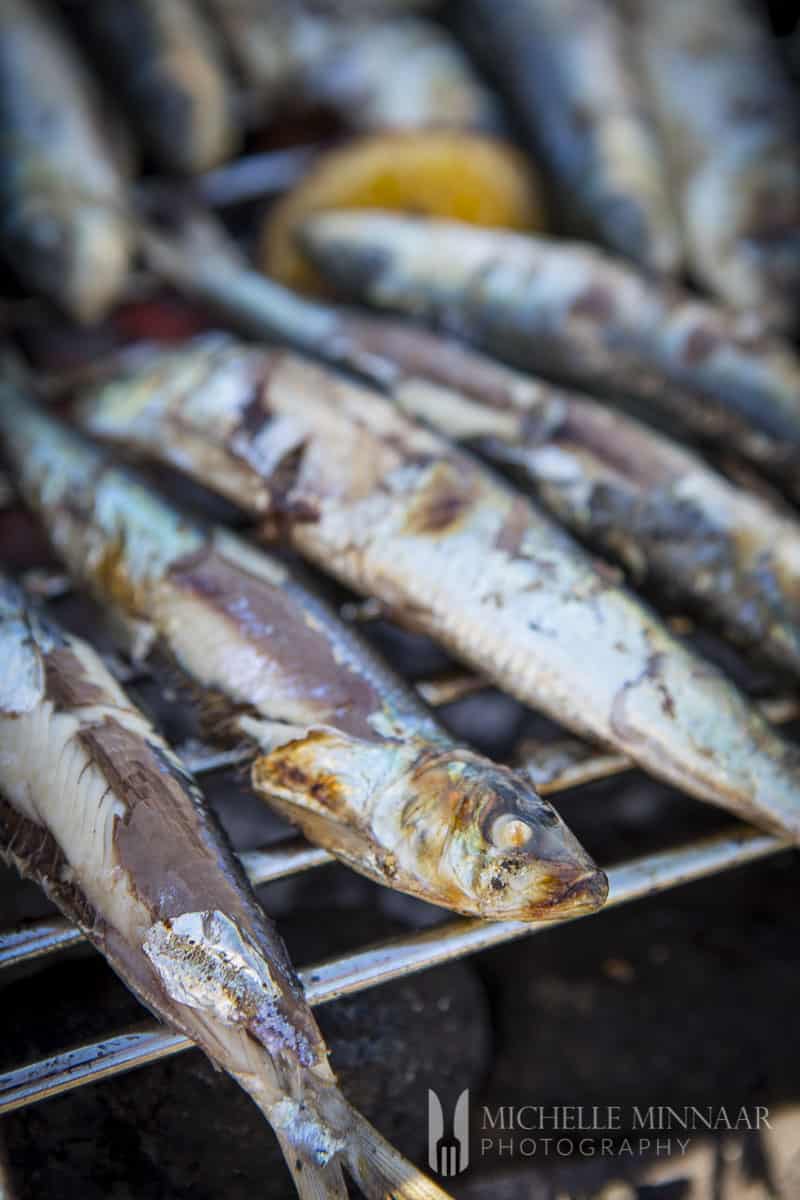
This is Sicily’s answer to UK’s fish and chips. The deep-fried seafood mix includes prawns, calamari and whitebait.
Pizza

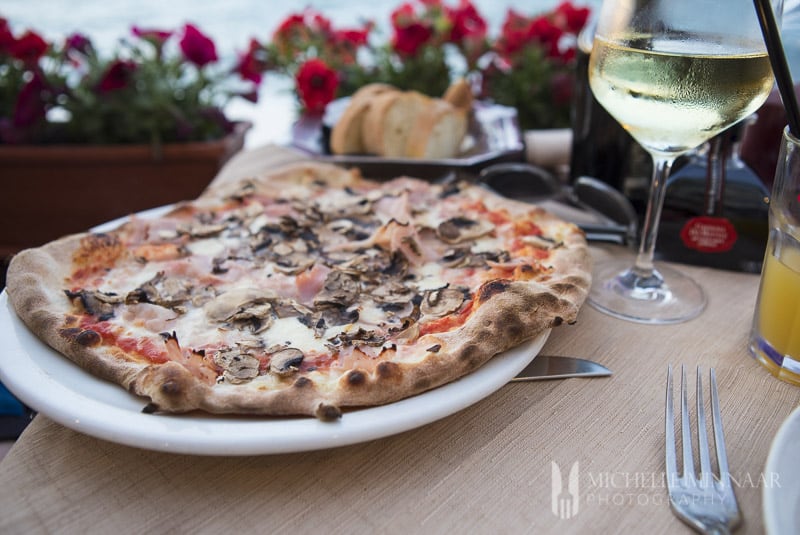
Kids and adults alike will be in heaven. My son adored these wood-fired pizzas in Sicily.
Caponata

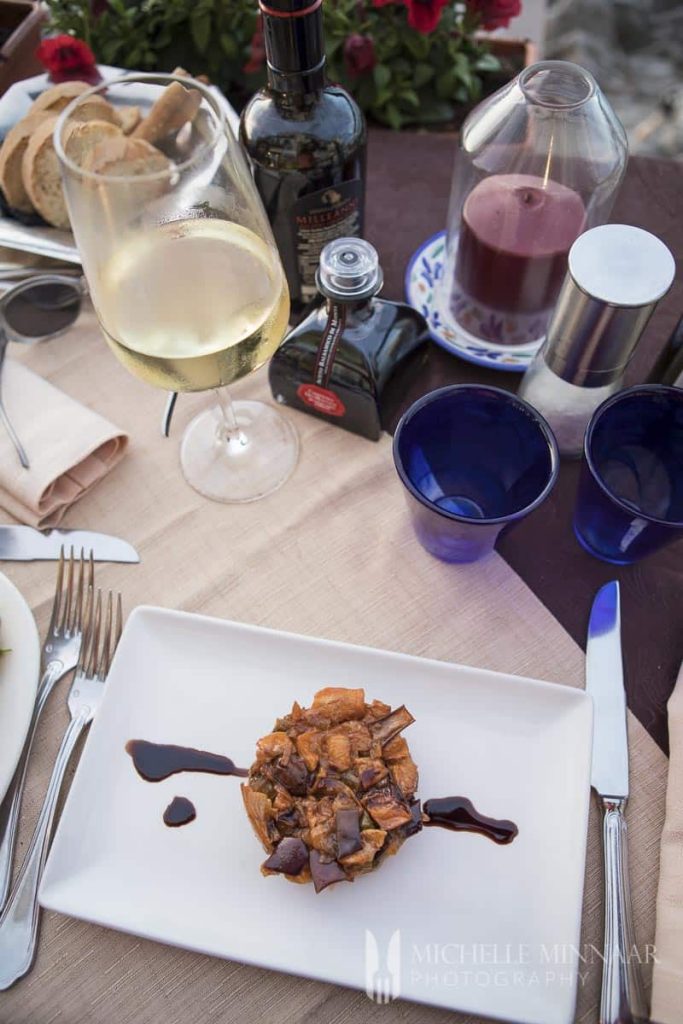
Caponata is a vegan starter or side dish that are found on menus everywhere on the island. It comprises aubergine, peppers, onions and olives in a tomato base. I couldn’t get enough of the stuff! You can learn more about its history and how to make it here.
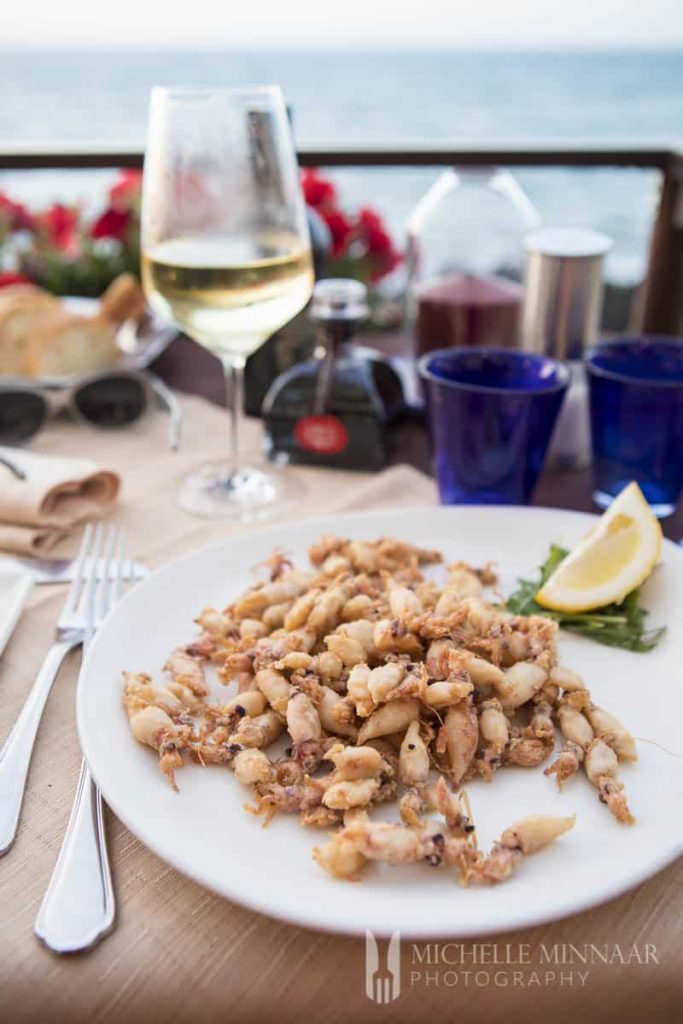
Fritto di Calamaretti

Calamaretti is unique to Sicily and I urge you to try it. These are baby calamari that are deep-fried whole. Crispy, meaty and sweet! You can order it at Al Porticciolo.
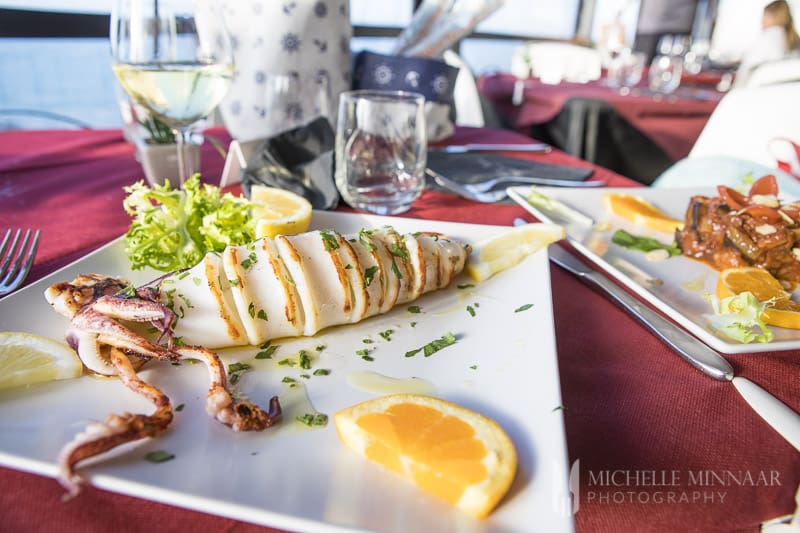
Seafood

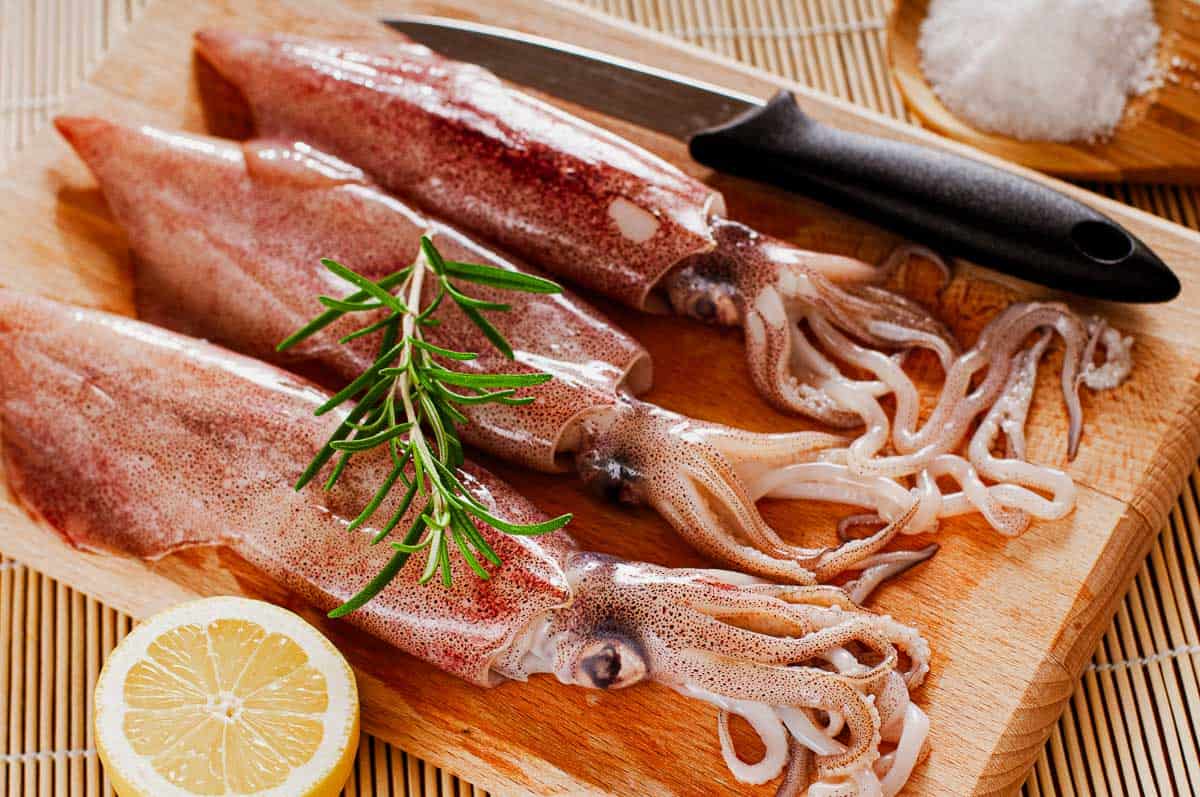
Here we have a big piece of calamari. Fish and shellfish also dominate menus in Cefalu.
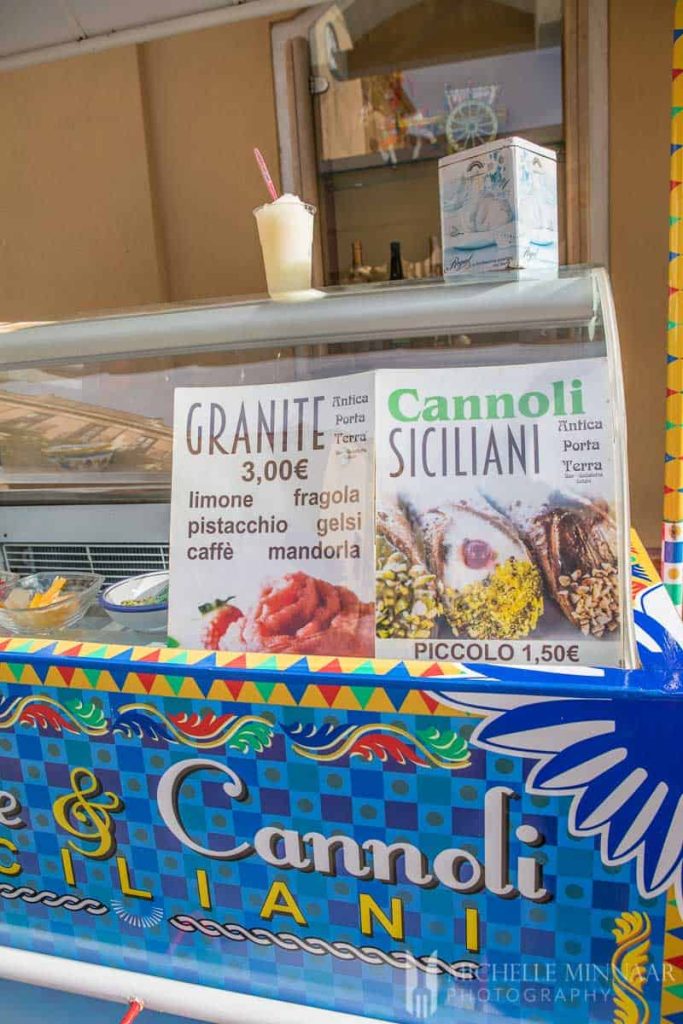
Granite

Originally from Sicily, granita is semi-frozen dessert made from sugar, water and various flavourings. In the searing heat this treat is deeply refreshing and those of you who are lactose intolerant can eat this in abundance.
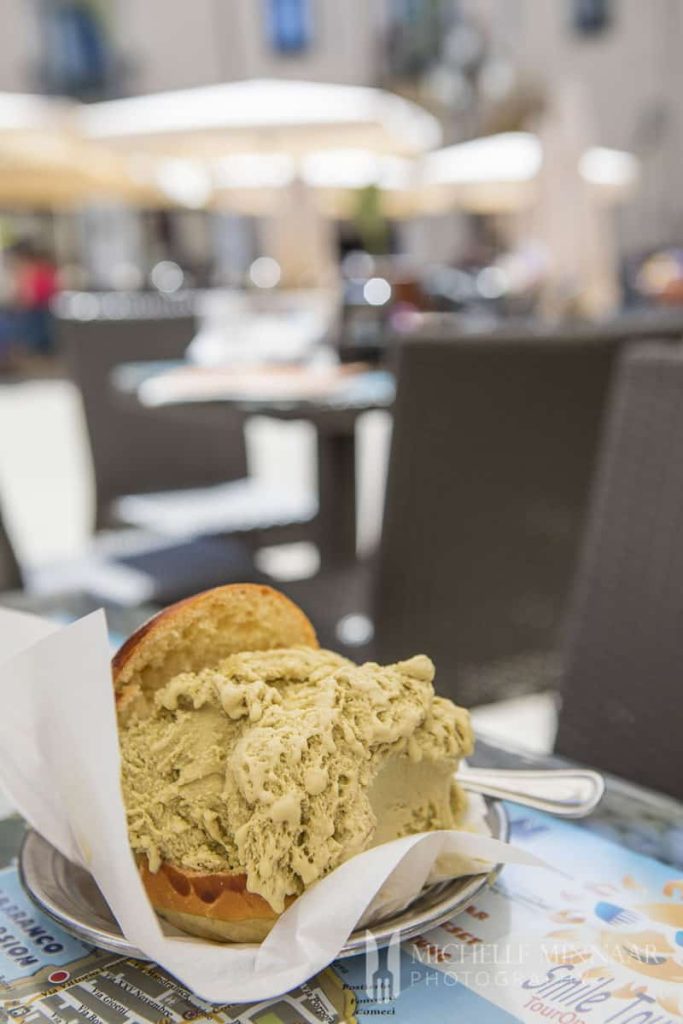
Gelato

The Italians take their ice cream extremely seriously, as do the tourists who eat them by the bucketloads. Something that you simply must try is pistachio ice cream in a brioche bun. Eh? But brioche is French and doesn’t belong in Sicilian food! Blame history, because Sicily was invaded by numerous countries, which led to its rich cuisine.

2) Hire a Sicilian Chef

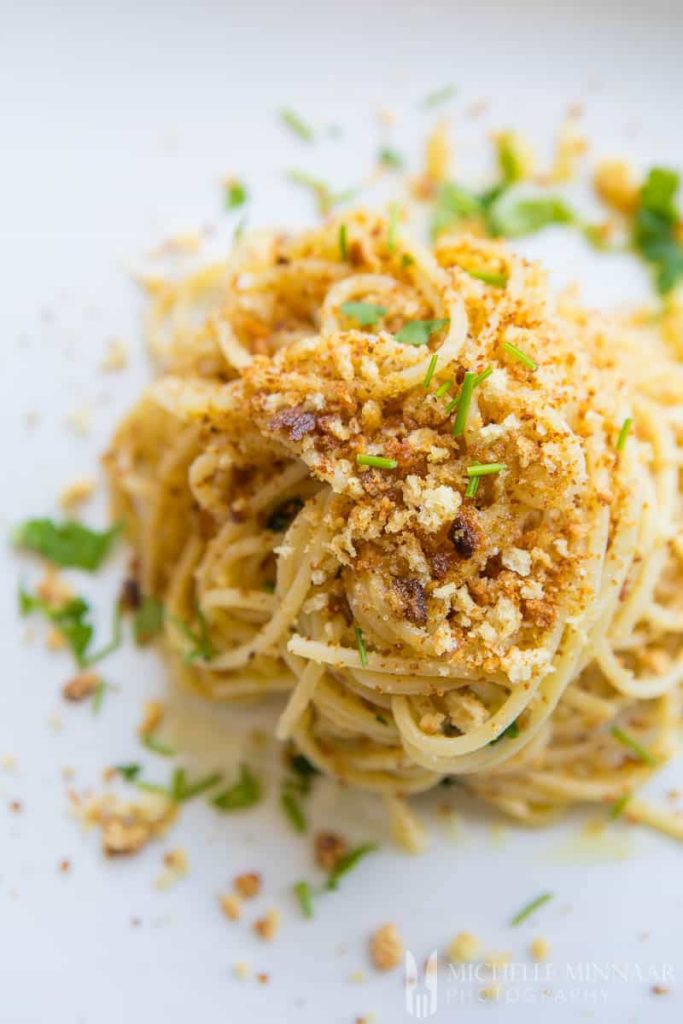
Want to experience something a bit different? Contact Massimo Villas to arrange for a chef to come and cook a traditional Sicilian meal at your villas while you relax and enjoy your family and friends’ company with excellent views. Chef Nino made a rustic Spaghetti alla Carrettiera for us.
3) Learn to cook Sicilian Cuisine

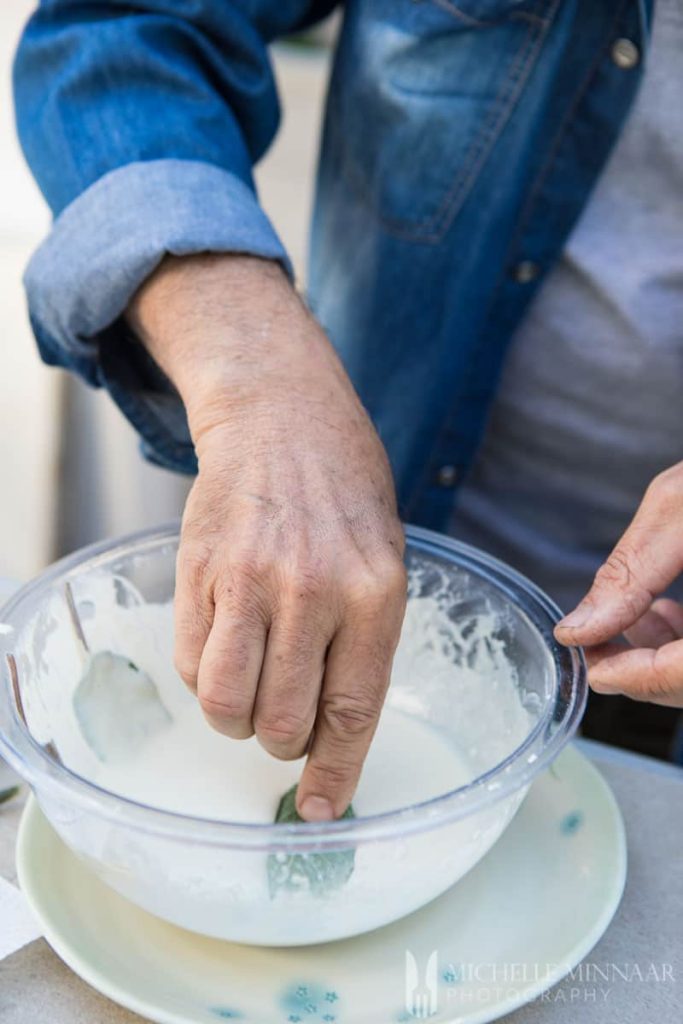
If you’re more or a hands on kind of person who loves to learn and cook, why not take a Sicilian cookery class instead? Admittedly, this was the best part of my stay at Massimo Villas. Other than catering, you can attend cooking classes at Nino’s villa where I was also very impressed with his incredible synergistic garden.

If you are in Cefalu and would like to arrange a cookery course with chef Nino, you can contact him directly at: +39 347 023 9223 or ninoquartana@hotmail.com.
4) Experience Sicilian fine dining

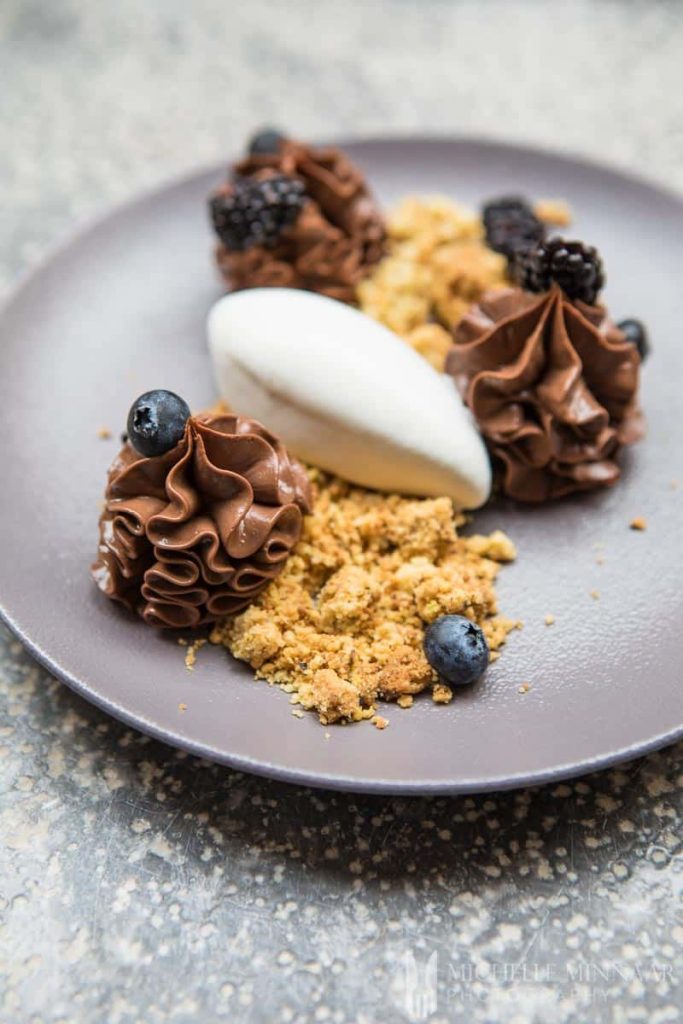
If you’ve had enough pizza and pasta and are looking for a more elegant meal, look no further than Qualia, where they transform high quality, local ingredients into memorable meals.
5) centro storico

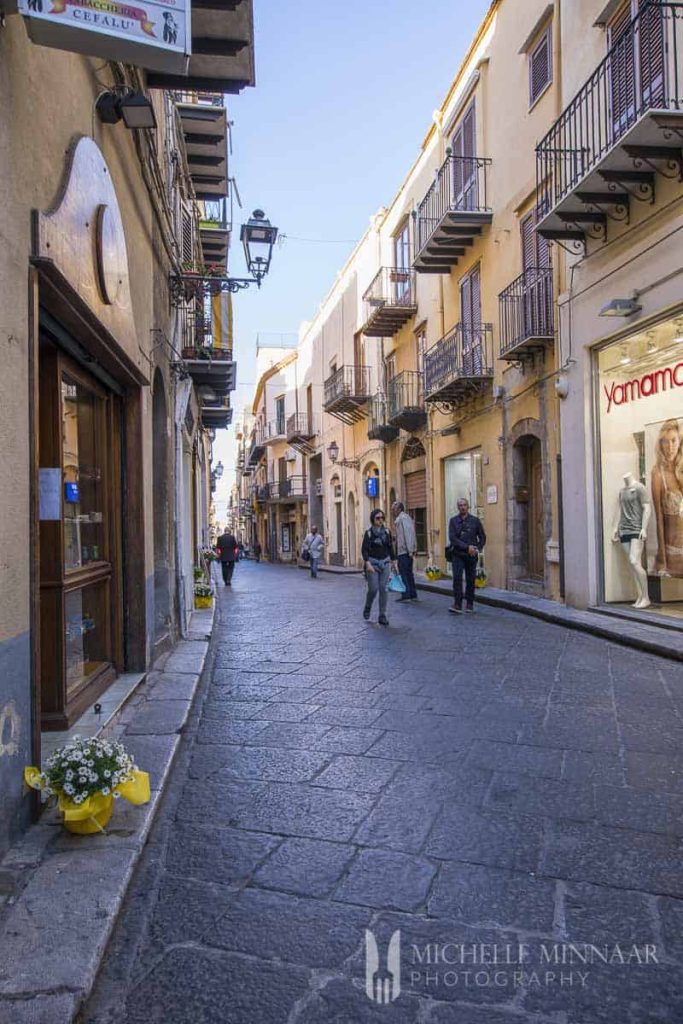
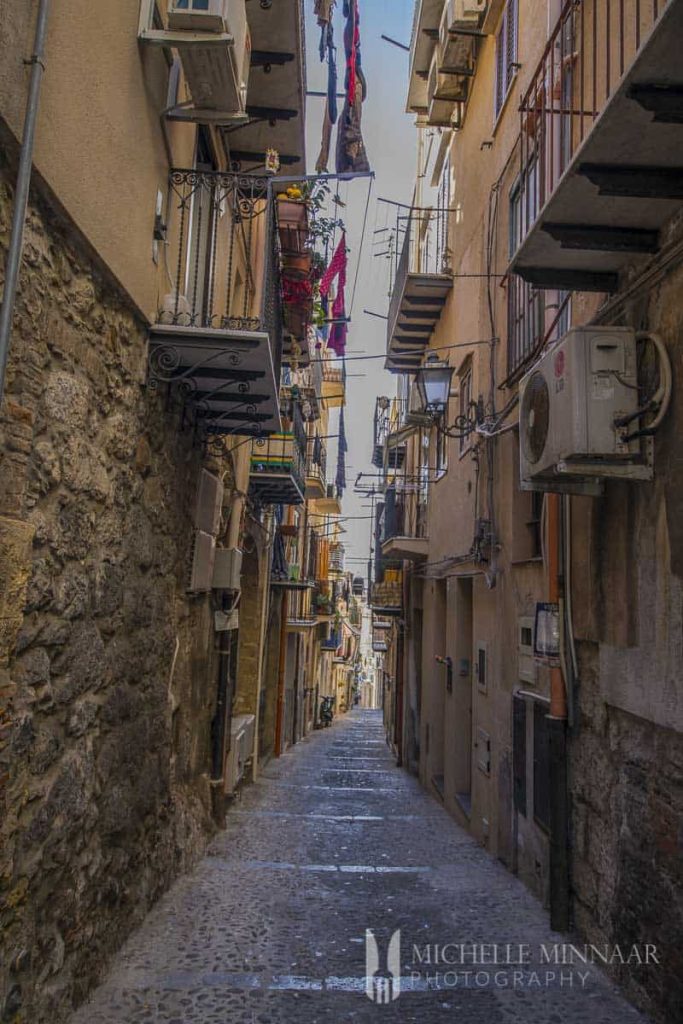
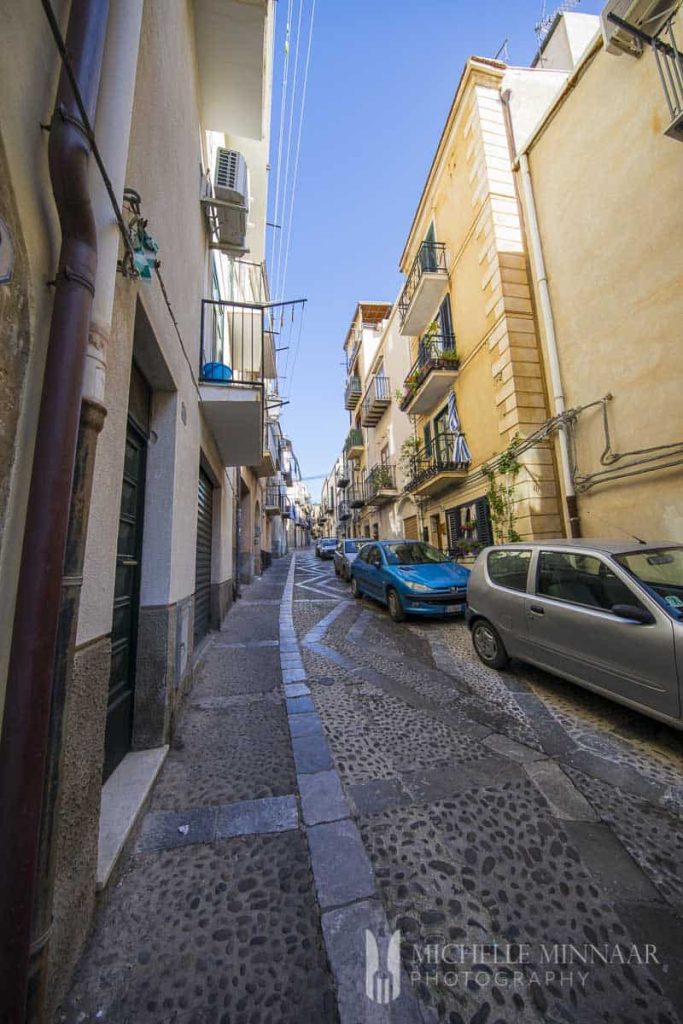
Translated to ‘historic center’, Cefalu is definitely one of those places that will capture your attention with its narrow alleyways and charming old architecture The city center itself feels like you’ve travelled through time back to a couple of centuries ago, well into Sicilian medieval times. Walking through the ‘centro storico‘ should definitely be one of your things to do in Cefalu.

Personally, I enjoyed sitting in one of the small restaurants and just taking a moment to take in all the ambience and history. What better way to enjoy yourself than to order some wonderful Sicilian coffee or wine?

Nonetheless, the most impressive thing in the historic center of Cefalu is the Duomo di Cefalu.
6) Duomo di Cefalu

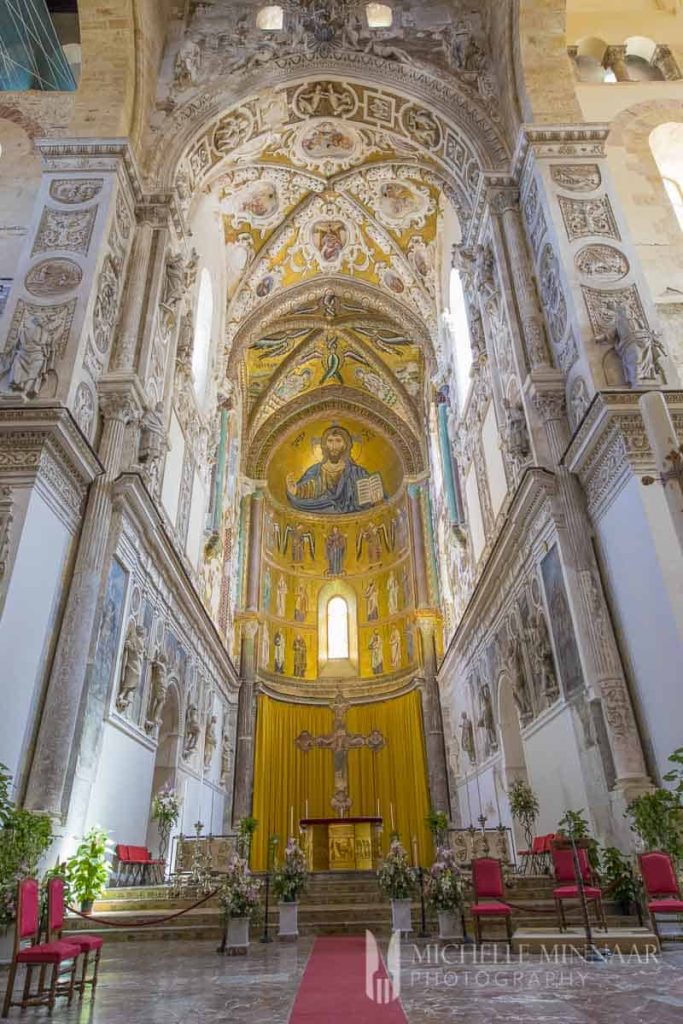
The Duomo di Cefalu is a Roman Catholic Basilica, which has a Norman architectural style and dates back almost a thousand years. Can you imagine that this Cathedral has stood for that long? If you happen to spot the Duomo di Cefalu from a distance, you’ll think that it is in fact a fortress due to its unique architecture. Once you step inside, you’ll notice a beautiful gold altar and stunning glass windows.
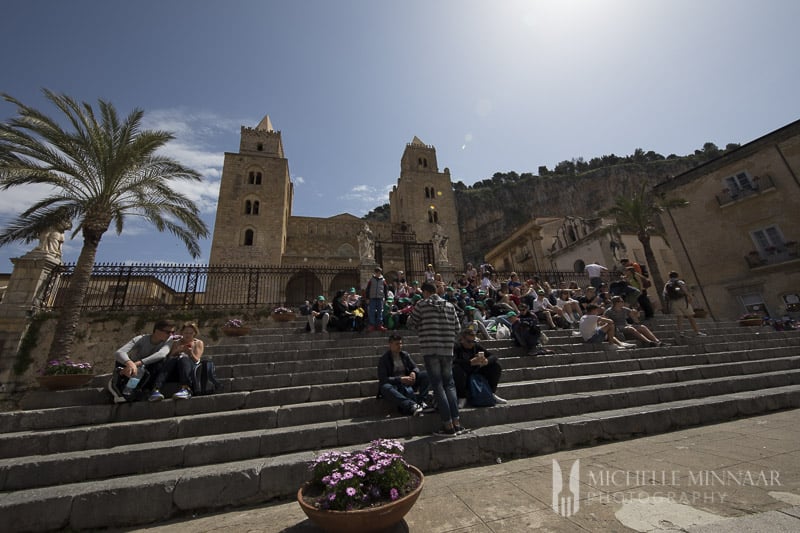
The cathedral itself was built in the year 1131, just around the time when Sicily was conquered by the Normans in 1091. Apparently, the Cathedral was built after the King of Sicily Roger II made a solemn vow to the Holy Saviour after he had escaped a deadly storm and had landed on the city’s beach. The construction began in the 12th century and the apse mosaics began in the year 1145. Did you know that the earth which made up the Cathedral was brought all the way over from Jerusalem? This was to accelerate the mummification of corpses at the time.
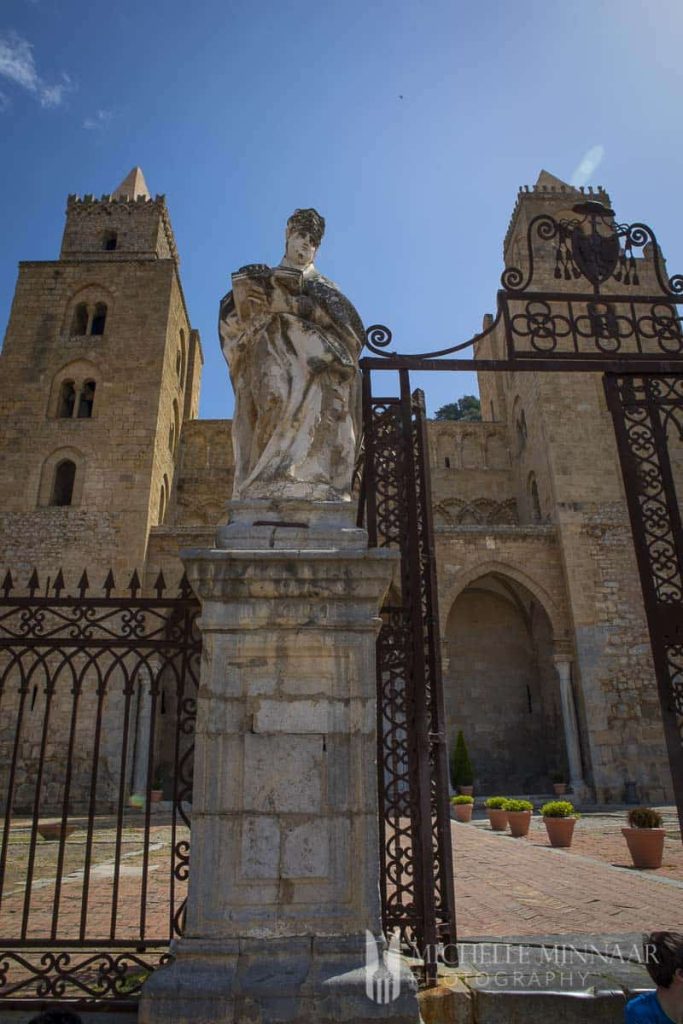
However, the most impressive feature of the Duomo di Cefalu is the Presbyterium Mosiac, which you can find on the apse and about half of the side walls. King Roger II brought over this Byzantine technique from Constantinople. Overall, most of this Byzantine decoration was completed in 1170.
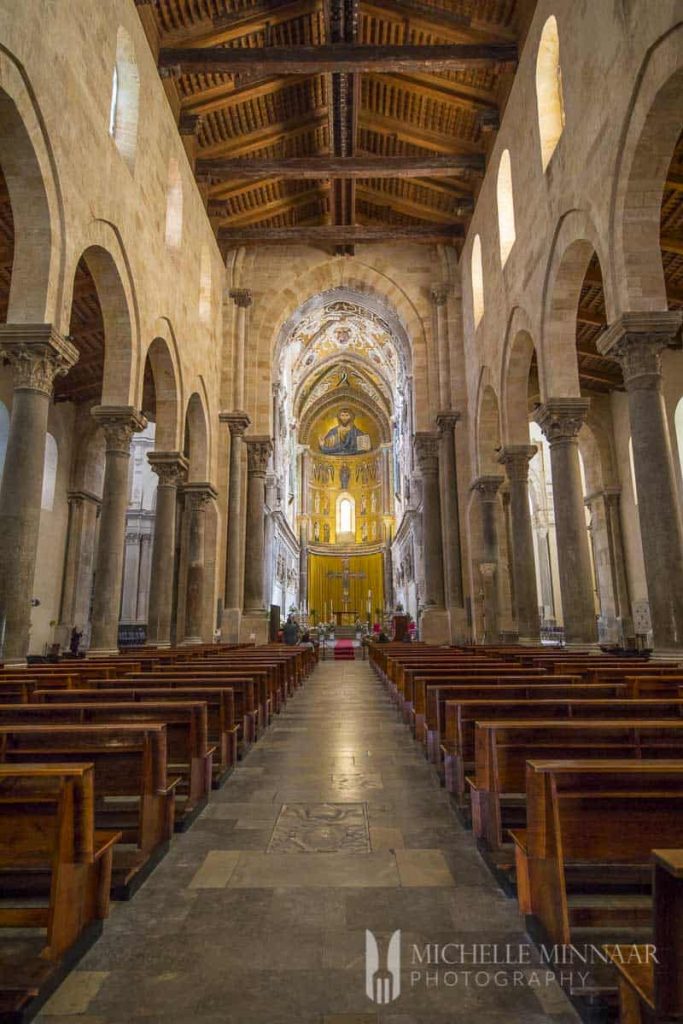
You’ll also find the Palaeo-Christian mosaic, which dates back to the 6th century. It is believed, that this mosaic with ogival and lozenge motifs previously belonged to a pre-existing Byzantine mosaic. Other artwork that you’ll find in the Duomo do Cefalu include the figure of Urban V (14th century), the ‘Madonna enthroned’ (15th century), a late Antique sarcophagus, 12th century baptismal fonts and much more.
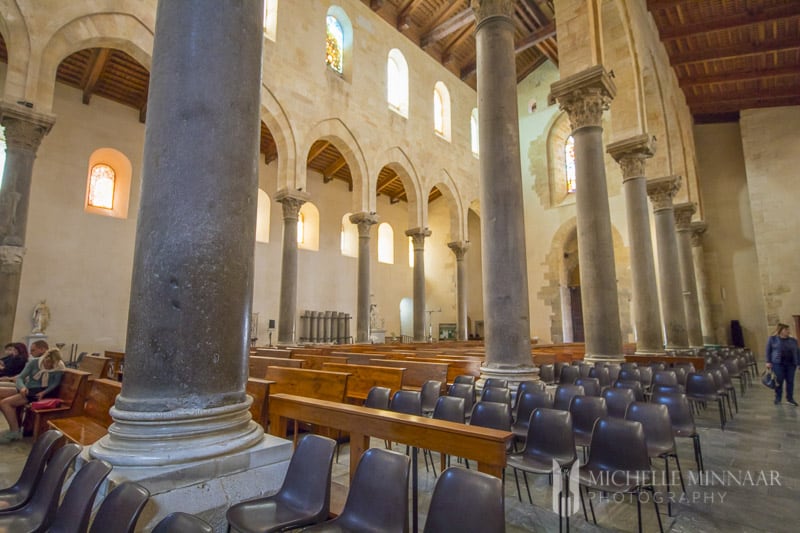
On the whole, the Duomo di Cefalu is said to compete with the Cathedral de Monreale which is another Norman Cathedral located in Palermo, Sicily. In my opinion, the Duomo di Cefalu is much more magnificent and impressive, but go and be the judge yourself!

If you want to understand the Duomo di Cefalu’s entire history, you’ll need days and many books! Today, due to its centuries of history, this Norma structure is a UNESCO World Heritage Site.
7) Piazza del Duomo

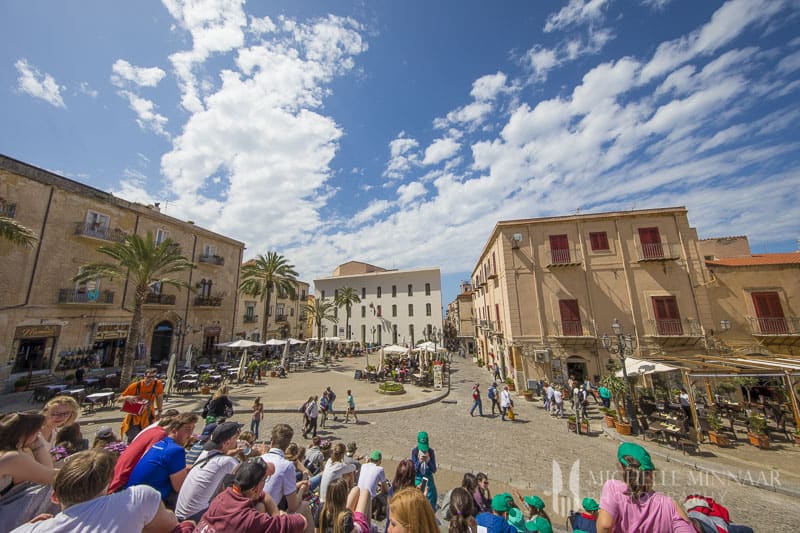
The Piazza del Duomo is the square right in front of the Duomo di Cefalu. Here you’ll find various restaurants featuring classic Sicilian cuisine. Located right under the cliff, it is has a charming view of the ancient cathedral right at the heart of Cefalu. Be sure to spare some time for a nice drink or a delicious plate of Sicilian food. You won’t regret it! It is definitely a landmark worth seeing!
8) Lavatorio Medievale

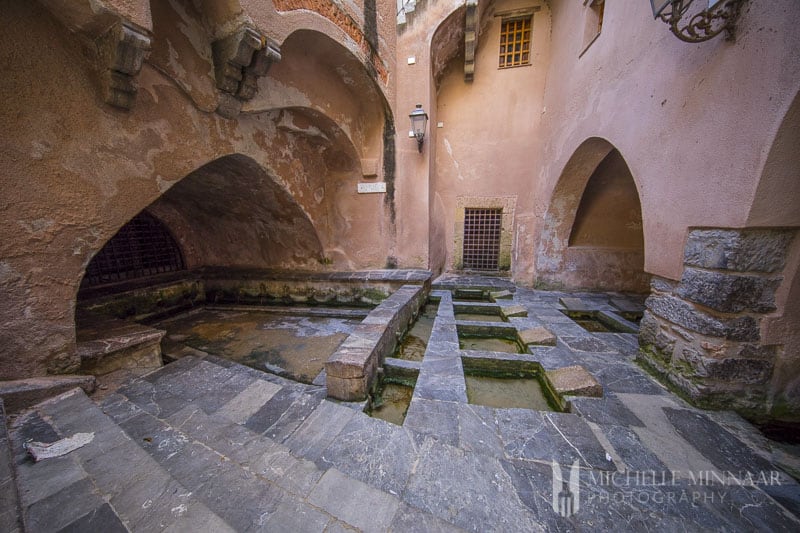
Lavatoio Medievale, also known as Lavatorio Medievale Fuime Cefalino, is an old wash house in Sicily which dates back to the medieval era. Simply put, it is the world’s oldest washing machine! It was used by the inhabitants of Cefalu for centuries. Today, the remains of the Lavatorio Medievale are located over the River Cefalino which lies in the southwestern part of the city near the village of Graterri. This is also near the Madonie mountains.

It is said, that the original structure was built closer to the ocean, however, it was demolished in the year 1515. It is not very clear as to why this happened. Once you enter the site, you’ll find the stone staircase leading to the wash house. You can also find a plaque dating back to 1655, which reads “Here flows Cefalino, healthier than any other river, purer than silver, colder than snow.”

Overall, the Lavatorio Medievale was used up to the 20th century and in 1991 the entire structure was restored. Today, it is reminder of how people used to live back in the day throughout different periods of time. Make sure you don’t miss out on visiting this interesting site and definitely put it on your things to do in Cefalu.
9) The Old Harbour

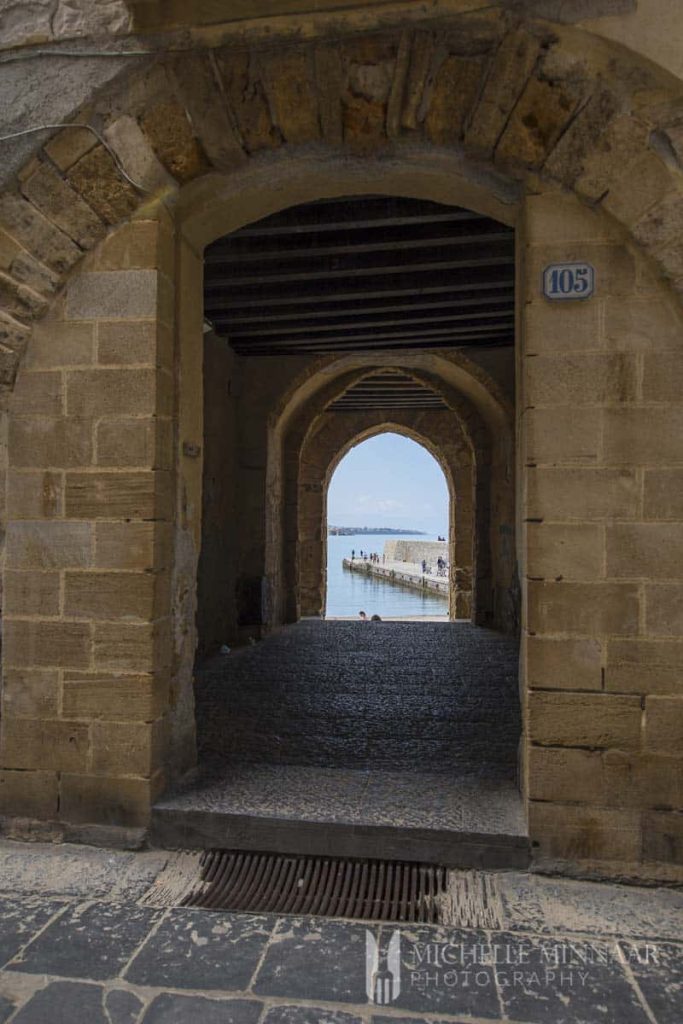
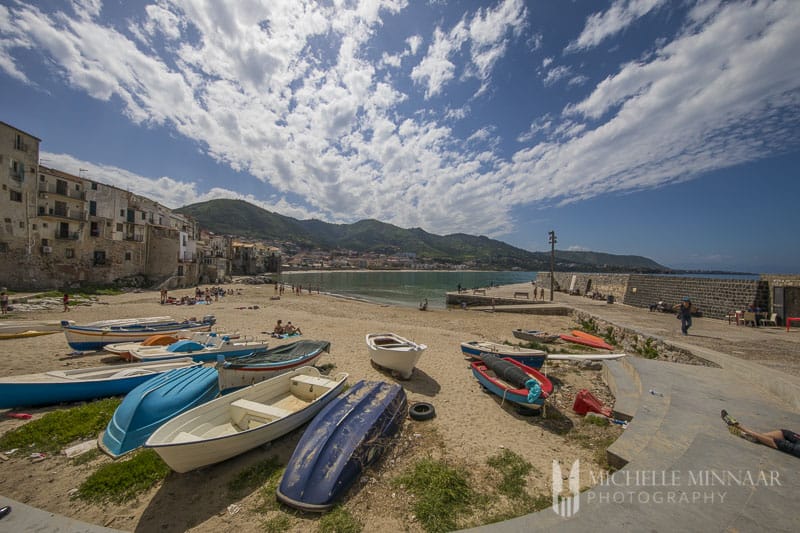
With Cefalu being a very important seaport back in the Norman, Roman and Byzantine eras, the Old Harbour is a must-see in Cefalu. During hot days, you’ll find many locals bathing in the sea alongside old fisherman houses in the background. My favourite part about the Old Harbour is the fact that the locals still use traditional fisherman boats. It is a stunning display of white-bluish small boats parked right at the shore.

I recommend taking a glass of wine or enjoying a fabulous plate of seafood in one of the Old Harbour’s café overlooking the sea. Not only is it very romantic with the sunset, it is a truly enjoyable experience to perceive the local way of life in cefalu.
10) Museo Madralisca

This is one of the most important stops in Cefalu. Put it on your things to do in Cefalu list immediately if you haven’t done so already! The Museo Madralisca is home to some famous artwork, collected by the Baron Enrico do Mandralisca who was a passionate art collector in the 19th century. Here, you’ll find a stunning display of Greek ceramics and Arab pottery, ancient coins, statues and much more. The best part is, that the museum itself is located just a few steps away from the old fishermen’s houses in the Old Harbour of Cefalu. So why not just stroll along and go to the Museo Madralisca for a memorable experience?

The most important piece of art that lies in the museum is the work of Antonello da Messina’s Ristratto di un uomo ignoto (The portrait of an Unknown Man). This painting is said to be one of the defining portraits of the Italian renaissance and dates back to the year 1465. It is also known as the ‘male mona lisa’ due to the equally unique smirk and gaze of the man. Will you be able to hold his glaze?

Even though Messina’s portrait is considered as the jewel of the museum, equally important is the artwork is Francesco Tenuta Bevelacqua from the early 19th century. His work includes a detailed painting of the Cefalu landscape in the mid 1800’s. This only proves, that Cefalu was equally beautiful as it is today! Finally, one of my favourite portraits located in the Museo Madralisca was the portrait that is called the ‘woman with a masculine face’. This portrait was rather funny, because I really thought I was looking at a man!

11) Lungomare Cristoforo Colombo

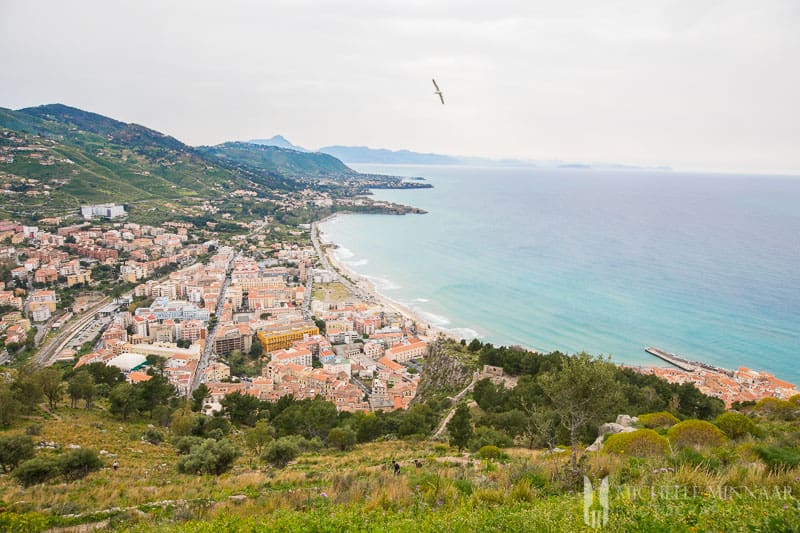
Along with the picturesque historical town, you’ll find that one of the main things to do in Cefalu is to visit its sandy beaches! Walking along Lungomare Cristoforo Colomobo is a fabulous idea after a big lunch, and what better way to do so than to enjoy the beach promenade. You’ll be able to enjoy beautiful coastal views with a gentle sea breeze.

Lungomare beach is the main beach in Cefalu. Its 5 km promenade is home to many beach cafes and restaurants so if you become hungry again, you know where to go! During the summer months, you can easily go to a lido where you pay a fee for sun loungers and umbrella. Trust me, you’ll need them – don’t underestimate the Sicilian sun!
12) Santuario Gibilmanna

Once in Cefalu, you simply must visit the religious landmark of Santuario Gibilmanna. This is one of the six Benedictine monasteries, which were commissioned around the year 600 AD by Pope Gregory the Great. Surprisingly the pope built this monastery out of his own pocket with the expectation that it would help him win the upcoming elections. Inside the Santuario Gibilmanna, you’ll find a very famous 11th century Byzantine fresco called the ‘Madonna with child‘.

13) La Rocca

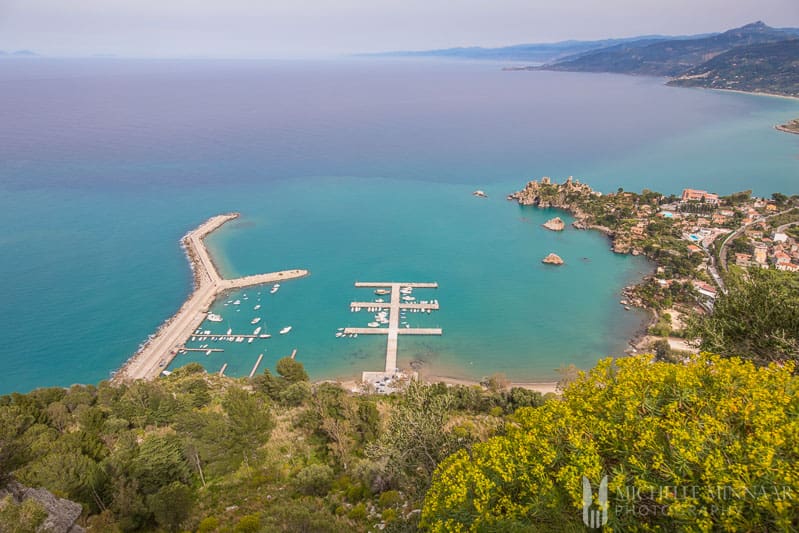
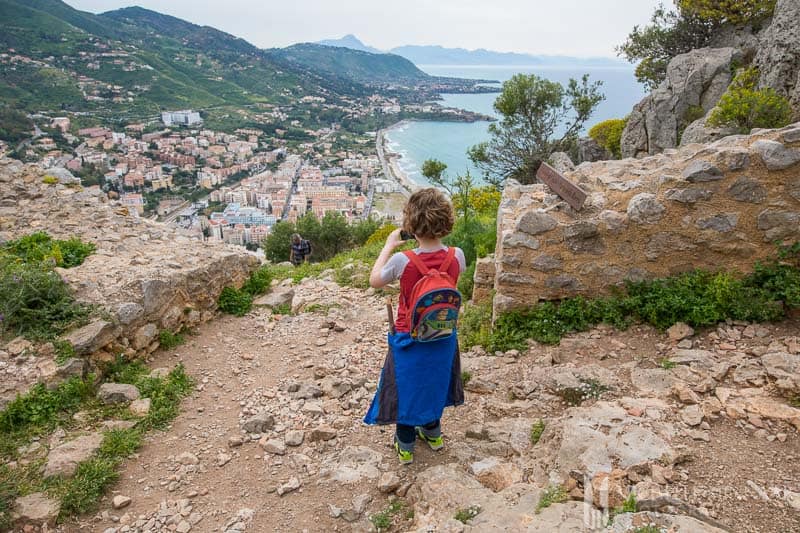
Fancy a bit of activity or do you have the need to sweat off some of that delicious Sicilian food you’ve been eating? A good hike leading up to La Rocca ought to do the trick!  More commonly referred to as La Rocca di Cefalu, it is said to be the most beautiful mountain of Cefalu. The mountain itself is evidence that there were human settlers in the prehistoric times, dating back to 4th or 5th century BC!
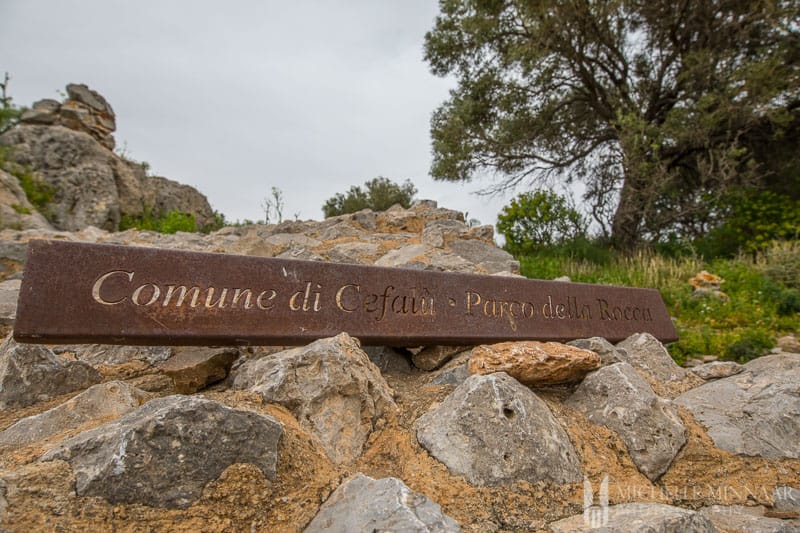
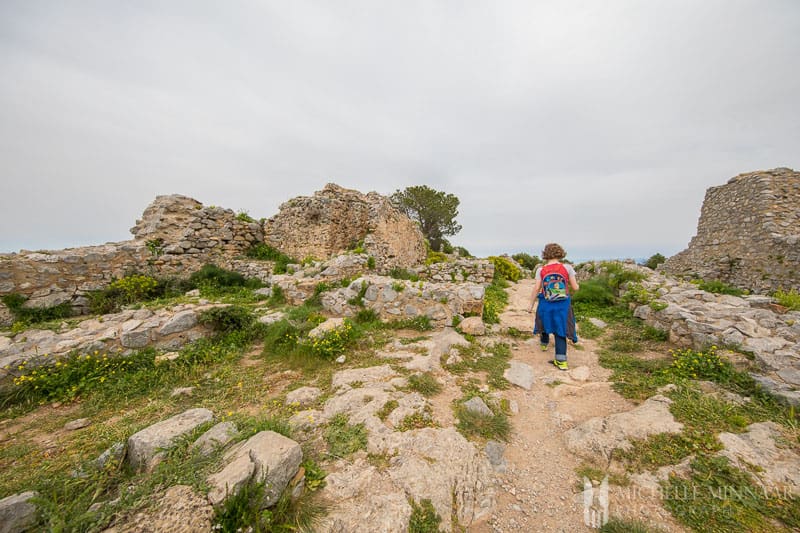
Here, you’ll find the home of the Temple of Diana (5th t0 4th BC) which was built for the worship of waters. Once the Holy Roman Empire collapsed, the settlers moved up the mountain for better protection against pirates and thieves.  For this reason, you’ll find a lot of fortification in La Rocca which was built in the Byzantine period in the 7th and 8th century AD. In addition to that, the Church of St. Anna, also known as ‘Chiesa di S Anna’, was built during that time as well.
14) Osterio Magno

Osterio Magno is the remains of a medieval 13th century palace. Historically speaking, this was the residence of the King of Cefalu – Roger II. Later on, the palace was passed on to aristocratic families. It is said that the palace was first constructed in the Byzantine period, and then the construction developed over different periods of times.

15) Scenic coastal walks

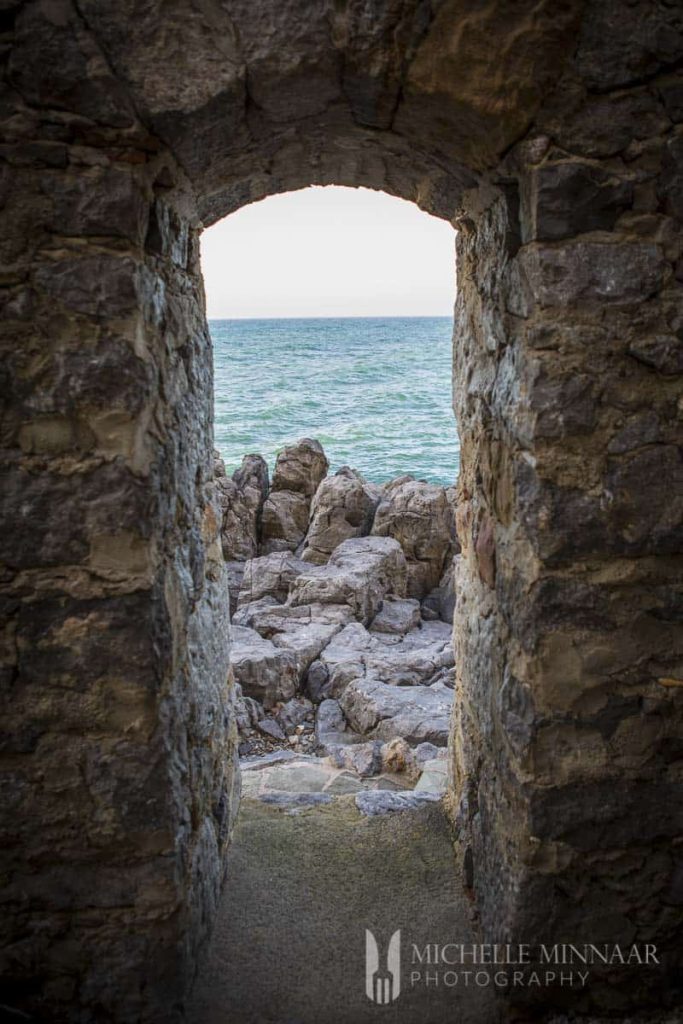
This one is completely made up by me. Around the sea-fronted outskirts of Cefalu, where there are no beaches, there are stony walkways hugging the island. If you would like to tear the kids away from their iPads to enjoy a different side of nature, this is it. You get to admire the brilliant blue sea with its powerful waves splashing the rugged rocks. A serene and fun activity!

16) Aeolian Islands

Aeolian Islands offers a stunning panoramic sea views that can only be seen by hydrofoil in the summer. Make sure you book a tour to see these impressive islands while you are in Cefalu.

17) Val di Suro

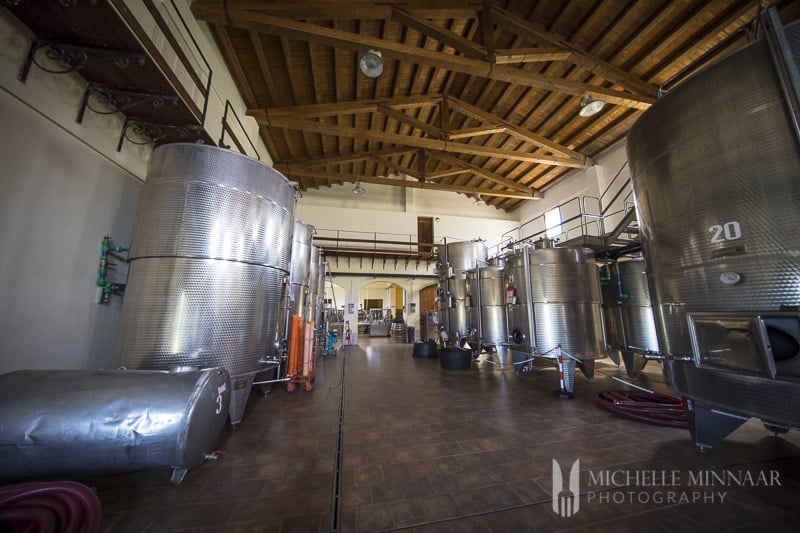
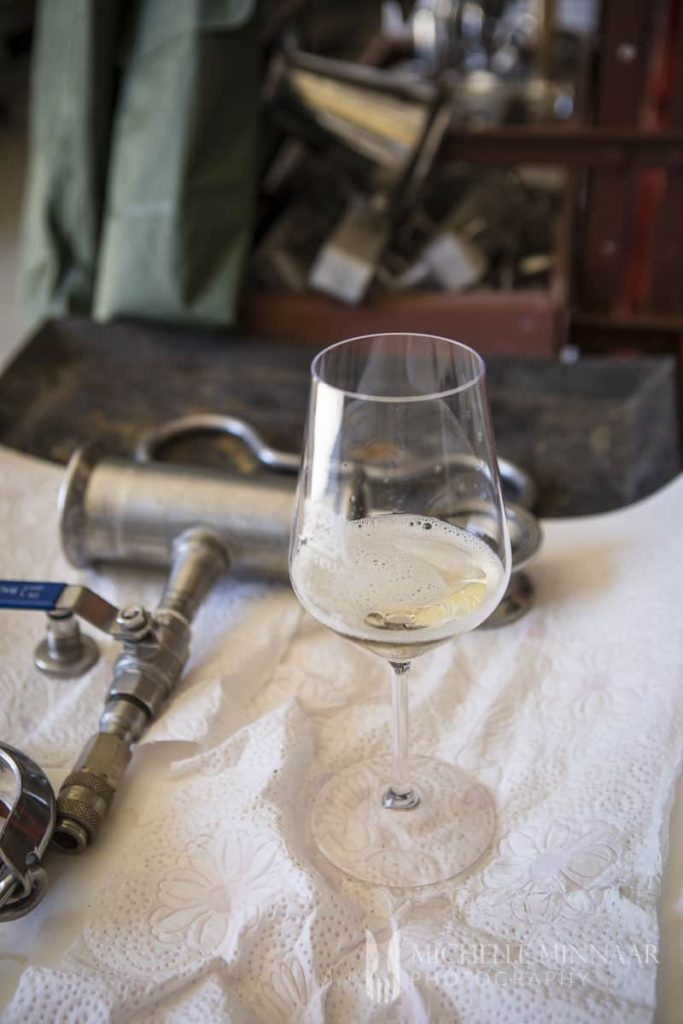
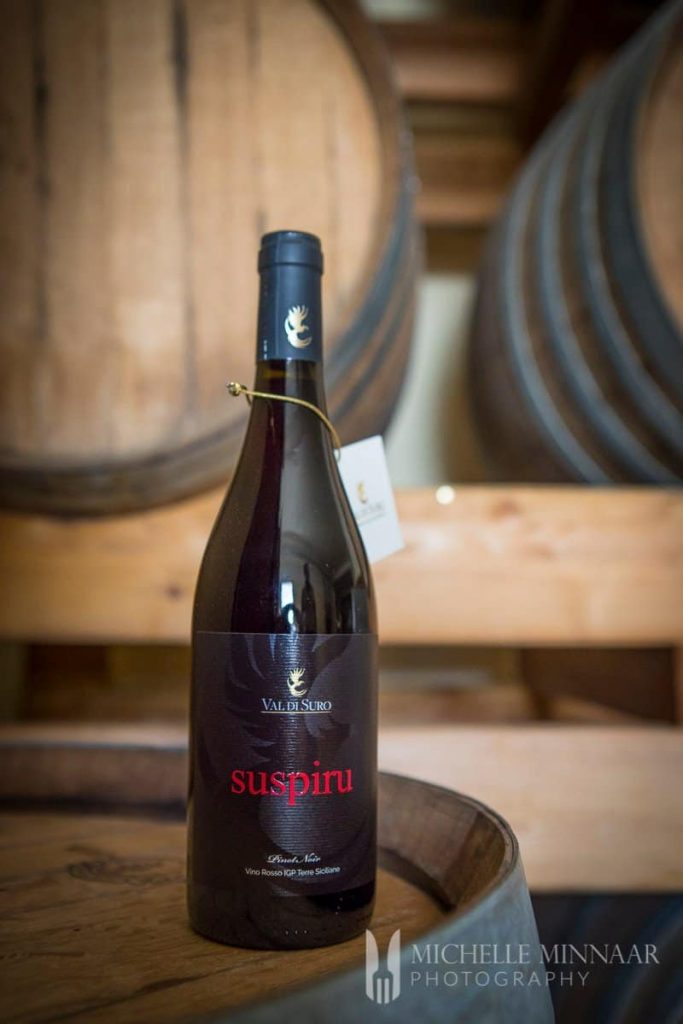
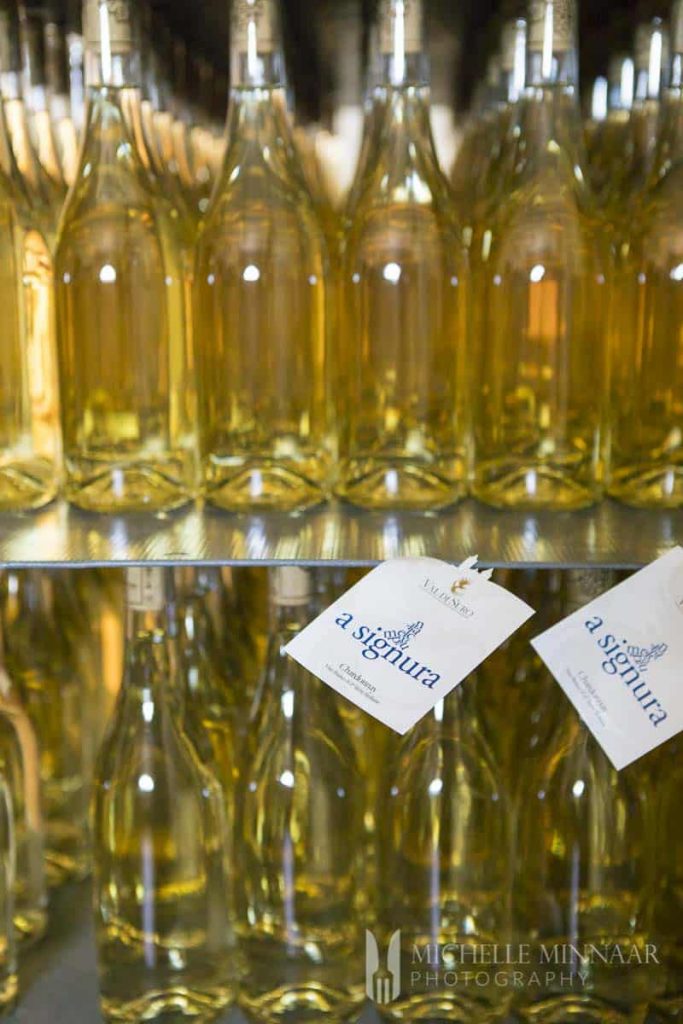
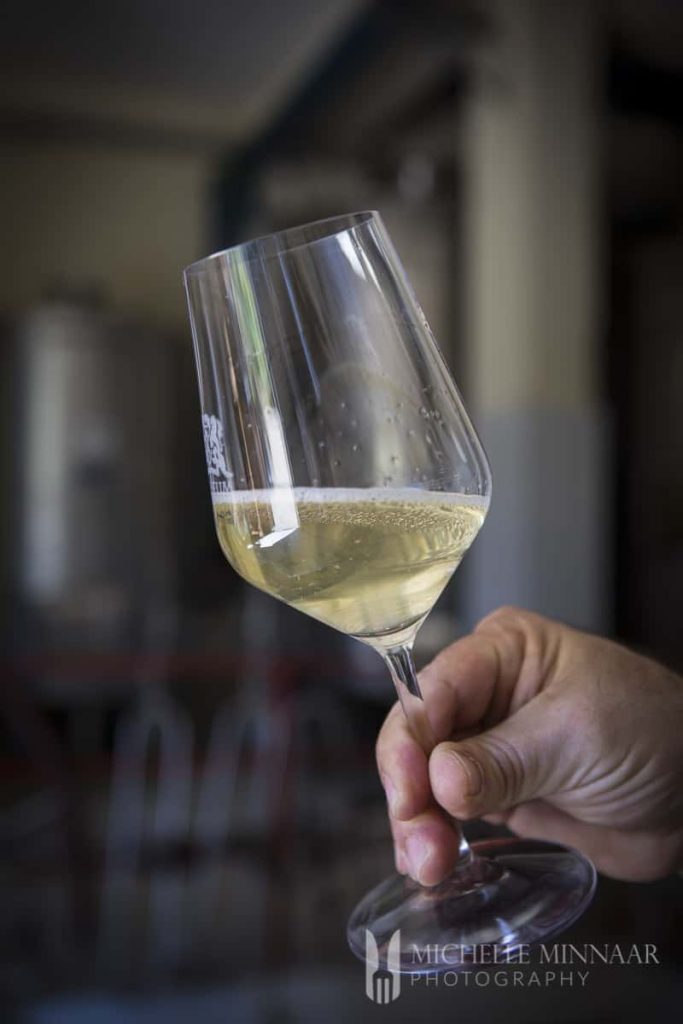
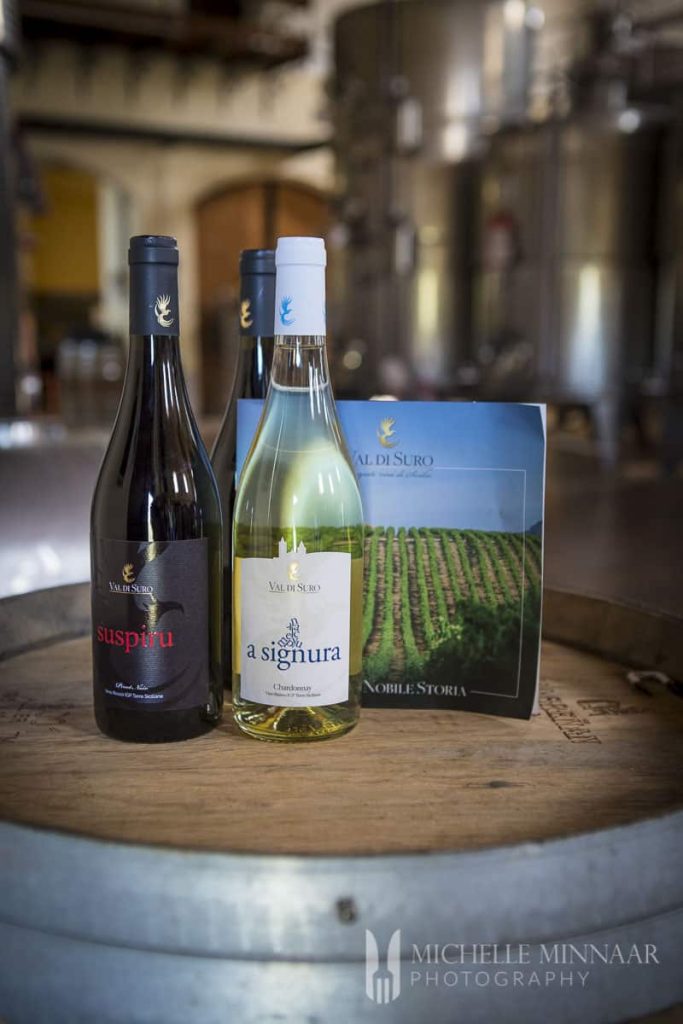
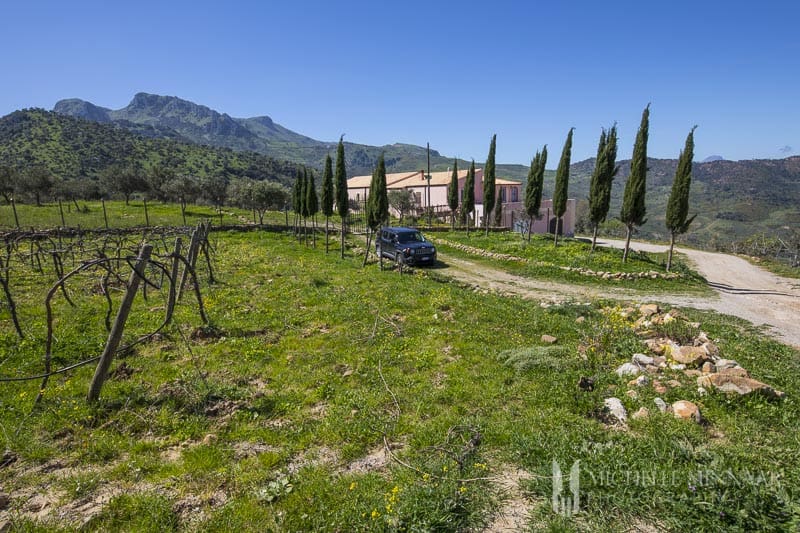
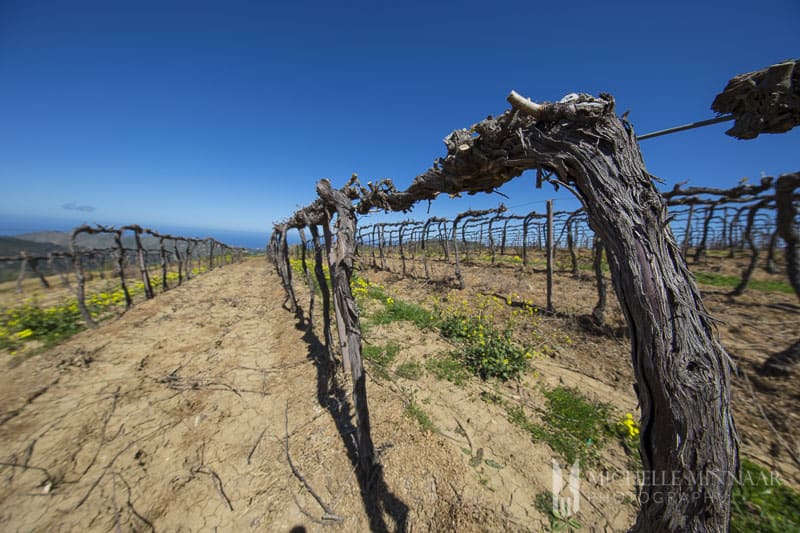
Think of sunshine in a glass and you won’t need to look any further than Val di Suro. Situated in the sun swept Madonie Park on the Italian island of Sicily, the Val di Suro estate makes wine in a beautiful harmony between traditions and modern technology. The warm sunny climate of northern Sicily gives the wine a strong character. In the night cooler winds from the Tyrrhenian Sea blow through the vineyards. Wine has been made around here since the time of the Roman Empire, and today the quality is higher than ever, thanks to the passion of the winemakers, who have brought the proud Sicilian traditions into the 21st century. The wine estate is 30 minutes away from Cefalu.
18) Fiasconaro

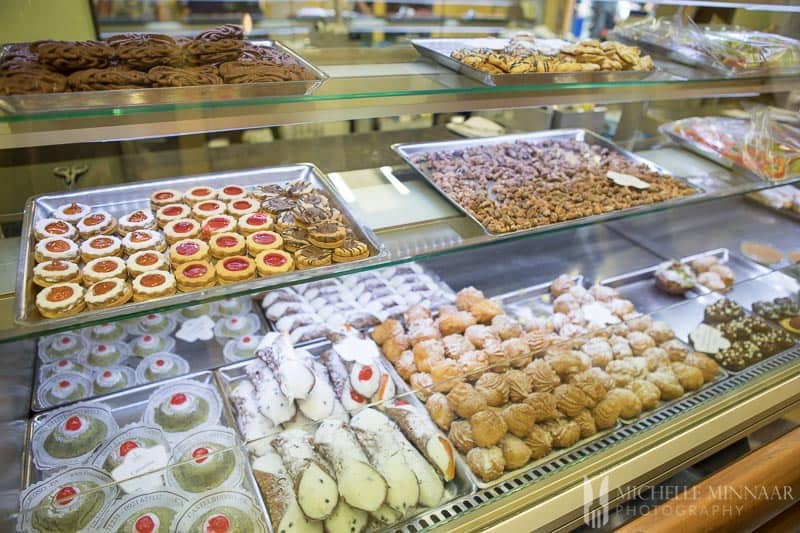
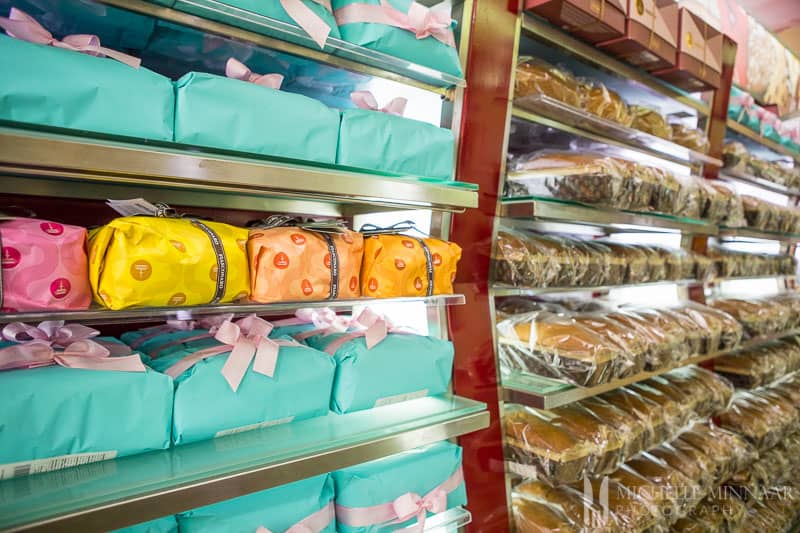
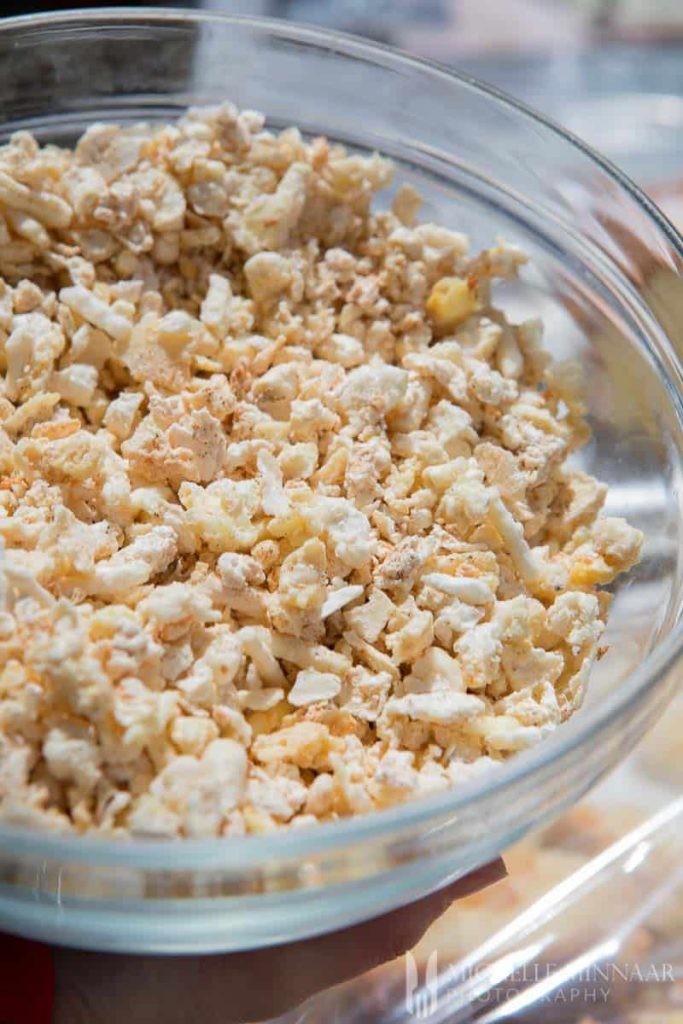
Fiasconaro isn’t in Cefalu and about 45 minutes’ drive away in Castelbuono. Here, you get to try manna, collected from ash trees in the Madonie hills, which is widely used in the business’ confectionery offerings. Fiasconaro is considered to produce the world’s best panettone and even the likes of Barack Obama and the Pope have bought theirs from this place.

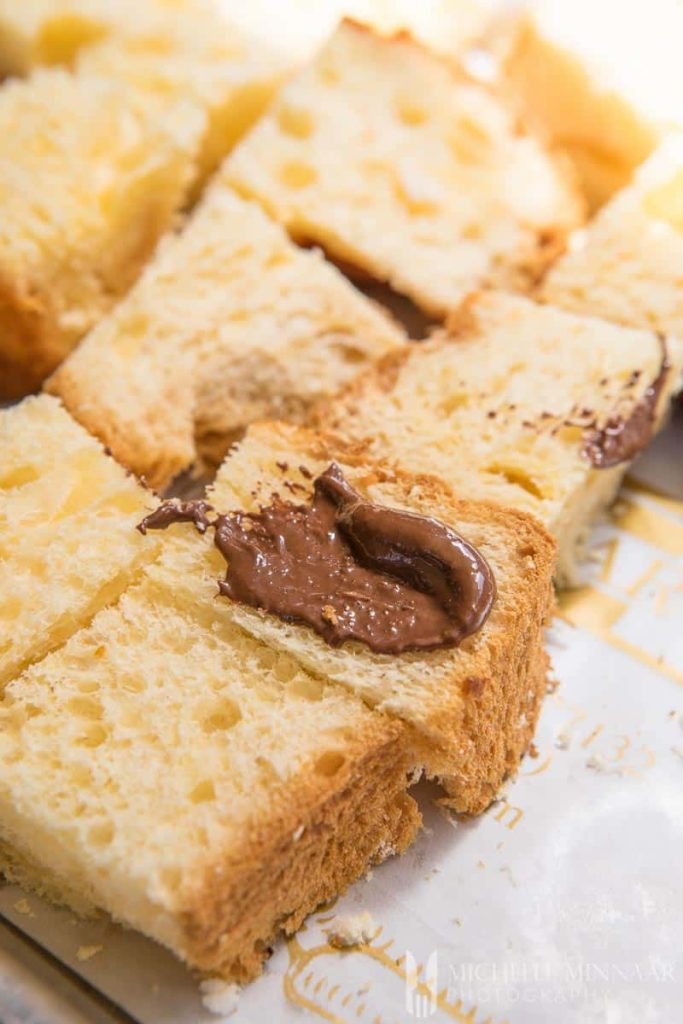
I’ve only ever just come across the almond and orange version, but plain panettone is also sold here. After lugging a loaf all the way from Sicily, this went down a storm with the family at breakfast when I served slices with nutella. Pure heaven!
Sadly, our week in Sicily flew by and although we did a lot in that short space of time, it feels like we barely scratched the surface. This means we’ll simply have to return to discover more!

P.S. I was a guest of Massimo Villas. All opinions are my own.
June 30, 2025 Uncategorized

13 Best Things To Do in Modena

Modena is a charming ancient city in the heart of the Emilia-Romagna region in Italy. The city is known for its production of balsamic vinegar and its amazing opera.

So, if you are looking for things to do in Modena, these two items should definitely make the top of your Modena to-do list.

Don’t be alarmed if you see a ton of luxury cars like Ferraris or Lamborghinis when you visit. This is due to the fact that Modena is also known for its automotive industry and has multiple factories within the region.

Modena was founded in the late 3rd century BC, more specifically in 218 BC. Back then, the city was called Mutina and is known to have existed at the time of Hannibal’s invasion of Italy. After a later siege, the city was rebuilt due to its strategic location. 

In the 9th century, Modena was further rebuilt and refortified by its bishop. It eventually became a free commune of some note in the 12th century.

During the Renaissance era, Modena flourished as a thriving centre of arts and culture. The impact of the Italian Renaissance era can still be seen in Modena’s old city centre. So, make sure you visit this historical city and don’t miss out on the top things to do in Modena. 

top tours of Modena

Here are some of the top things to do in Modena. Check out some of these memorable tours below:

  • Modena food tour and tastings – in this tour you will come to understand the specialty cuisine of Modena. Some recipes date back to the 14th century. You might be able to sample some of the famous Modena dishes like scalloped macaroni, passatelli in broth, tortellini in chicken broth or Modena pesto. 
  • Street food tour in Modena – this would be my favourite tour, as one can explore all sorts of ingredients on the street 
  • Balsamic vinegar tour in Modena of the oldest balsamic vinegar company – this is an experience in itself 
  • The secrets of Parmigiano Reggiano – learn all there is to know about the production of Parmesan cheese
  • Ferrari Full Day Experience – this tour is for you if you are all about sporty Italian cars
  • Pavarotti tour in Bologna – this tour is for lovers of opera and the arts

Which tour appeals to you most? If I had my way, I would book all of them and make the most of my stay in Modena.

13 things to do in Modena

Believe me, you don’t want to miss out on this. Being a foodie, going on a food tour is right up there on my top things to do in Modena list. Generally speaking, the Emilia-Romagna region in Italy is most likely the largest food hotspot in Italy. In the Emilia-Romagna region, you’ll not only find Modena, but cities like Parma, Reggio Emilia and Bologna.

Each of these cities is known for a specific product. For instance, in Parma, you’ll find the most amazing and authentic P.D.O. prosciutto di Parma. In fact, while I was there, I managed to take a huge leg of Parma ham away with me. Thankfully, customs didn’t seize it on the way home! Therefore, I managed to make the following amazing recipes:

  • fig salad with parma ham and blue cheese
  • bruschetta with tomato and parma ham

Not to mention, prosciutto di Parma isn’t the only famous product in the region. The region is also famed for its production of Parmesan cheese as well as Grana Padano. Modena, for instance, is famous for its production of balsamic vinegar.

1. Go on a food tour in Modena

 Therefore, while you are in Modena, you should definitely take part in a food tour. For example, perhaps to try some of these well-known dishes:

Typical dishes of Emilia-Romagna region

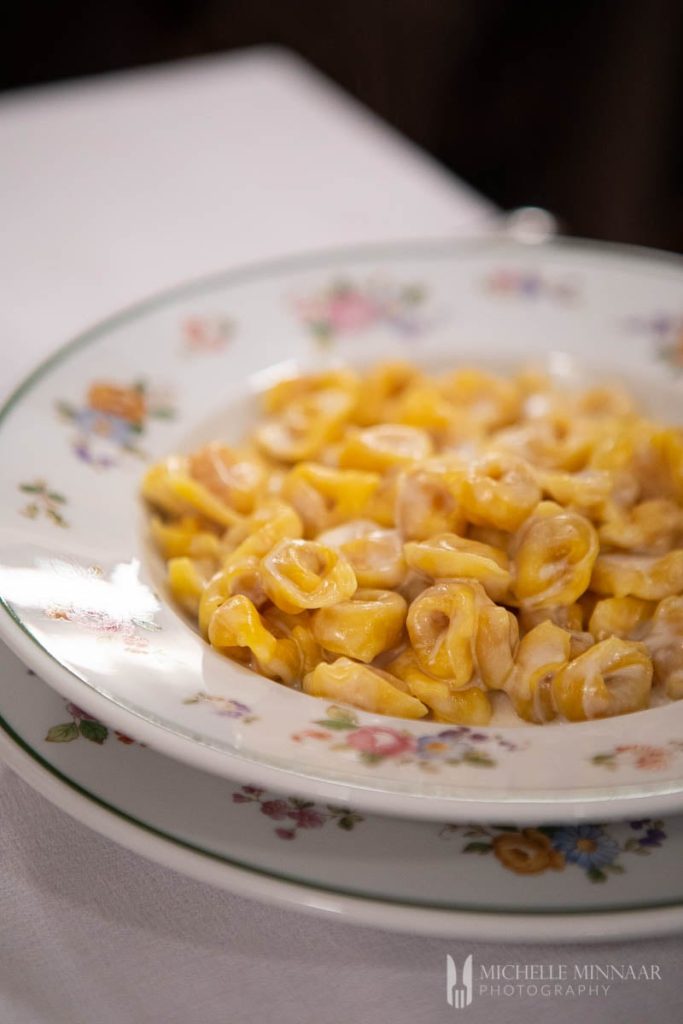
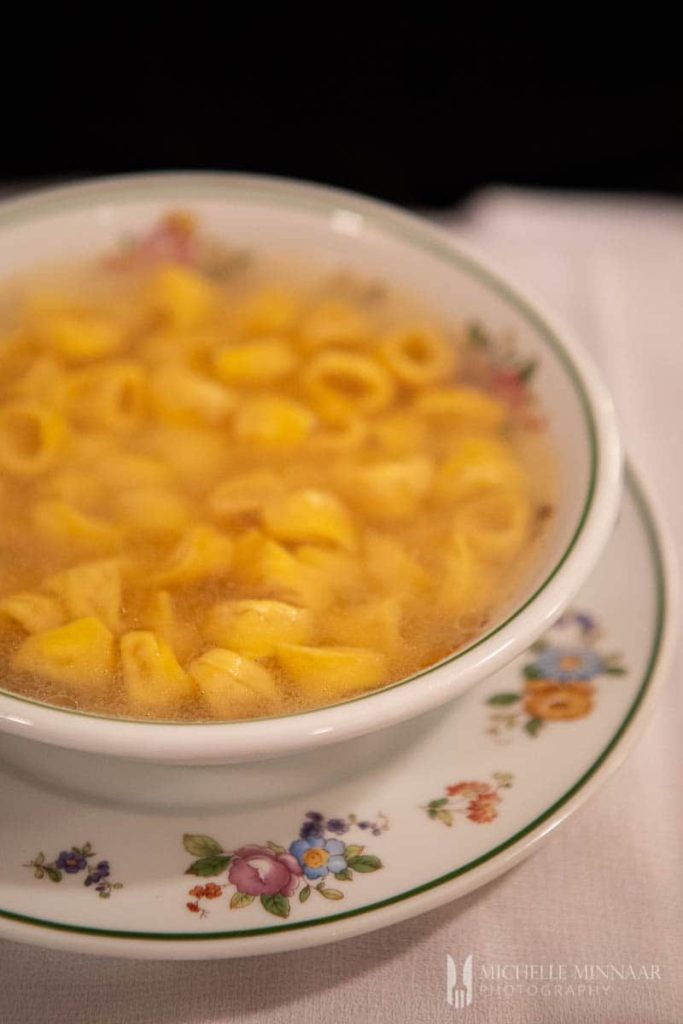
Tortellini is a very delicate pasta prepared with egg and flour. It originated in Bologna and is prepared in a variety of ways. The most popular dishes in the Emilia-Romagna region are Tortellini en Brodo and Tortellini con la panna. 

Here’s the tortellini con la panna.

Next, here’s the famous tortellini en brodo. Definitely add this on your list of the top things to do in Modena. It is a popular first course dish. A must have. Ordinarily, you serve it with a clear chicken or beef broth.

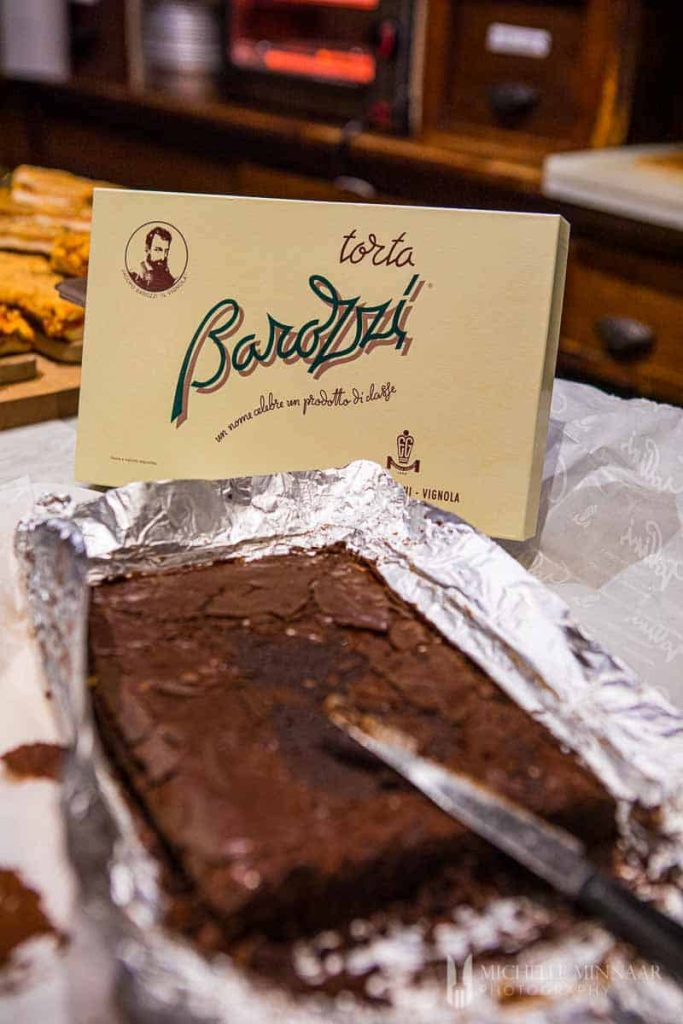
Torta Barozzi is the Italian equivalent of an American brownie. The secret ingredient here is the coffee and peanut butter. Jacopo Barozzi, a famous Italian architect of the 1500s inspired the cake. In 1886, a pastry chef called Eugenio Gollini created a new dessert, called black cake, in Vignola, a small town near Modena.

He later changed the name of the black cake to Torta Barozzi to honour the architect who practically replaced Michelangelo in Rome. A definite must try!

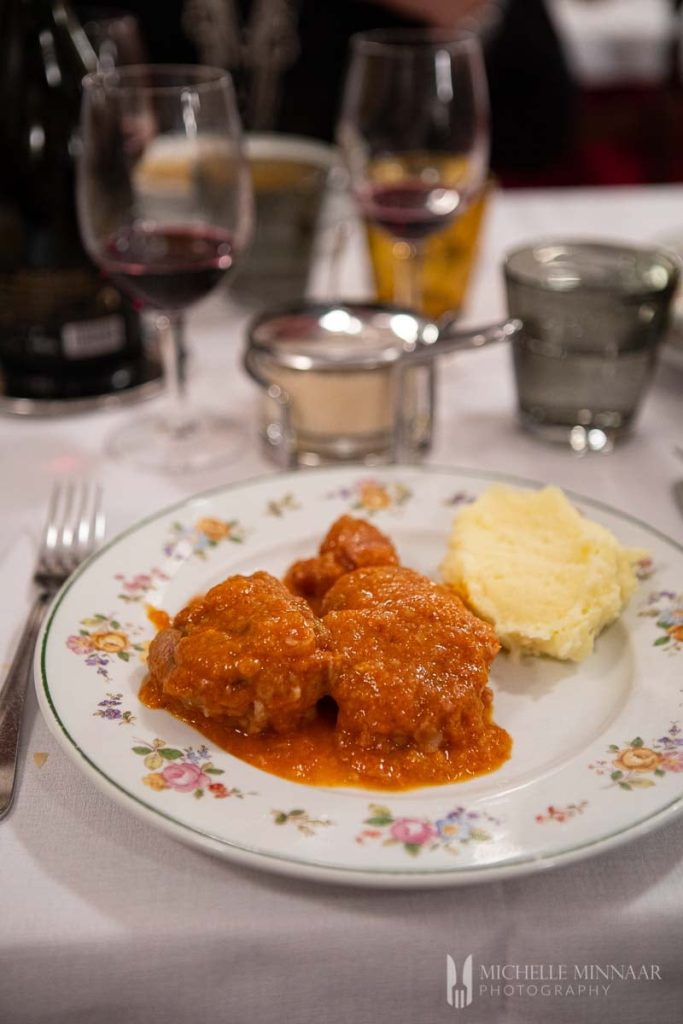
If you don’t want to eat pasta day in and day out, there are other interesting options available, such as osso buco.

2. Go on a balsamic vinegar tour

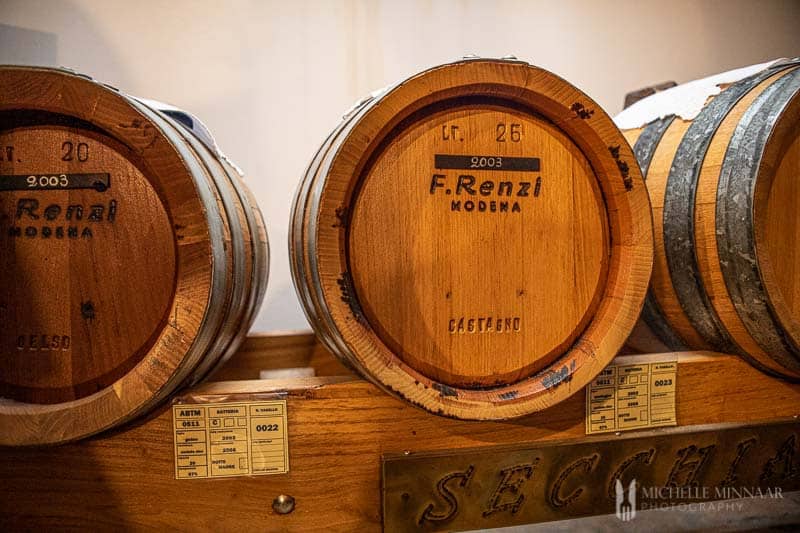
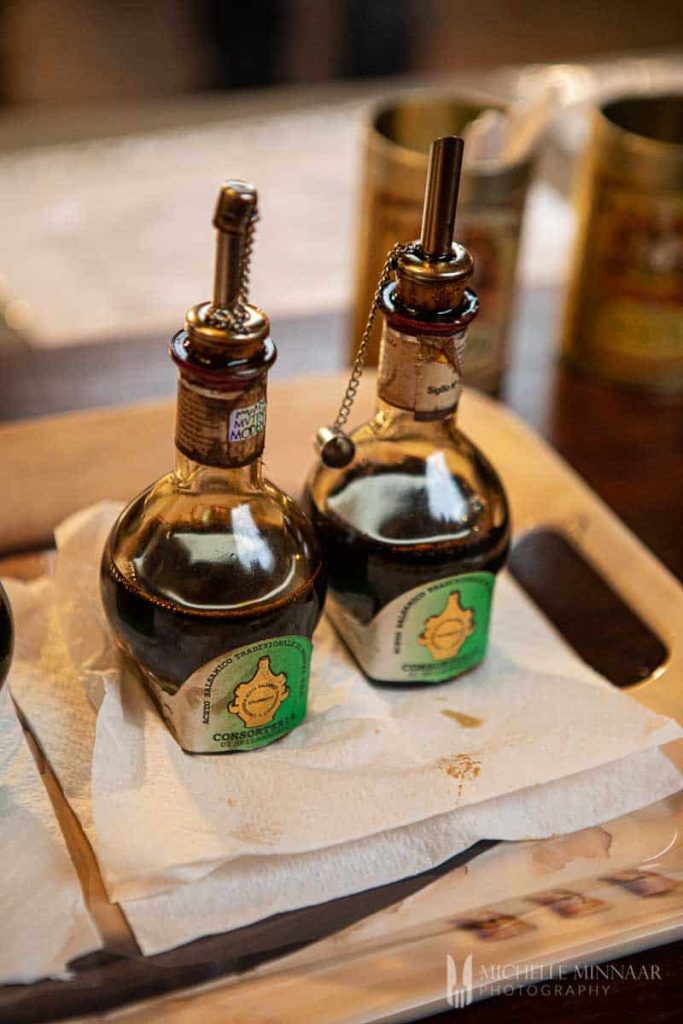
Balsamic vinegar is one of the most famous products that’s crafted in Modena. It has its own heritage and believe me when I say, this balsamic vinegar is beyond exceptional in taste. This should definitely go high on your things to do in Modena list. 

Balsamic vinegar, also known as Aceto Balsamico DOP, is mainly produced in Modena. It’s known for its distinct dark, rich, intense taste. It also has Protected Denomination of Origin (PDO) status. Therefore, those who produce the vinegar must use grapes from Lambrusco, Trebbiano and other grape varieties around Modena. 

The fresh grapes are skinned, and the grapes are juiced. Then, the juice is cooked over low heat until it changes consistency. The addition of sugar eventually creates alcohol. After the initial process, balsamic vinegar must age for 12 years in order to mature. Although, some varieties age for up to 50 years!

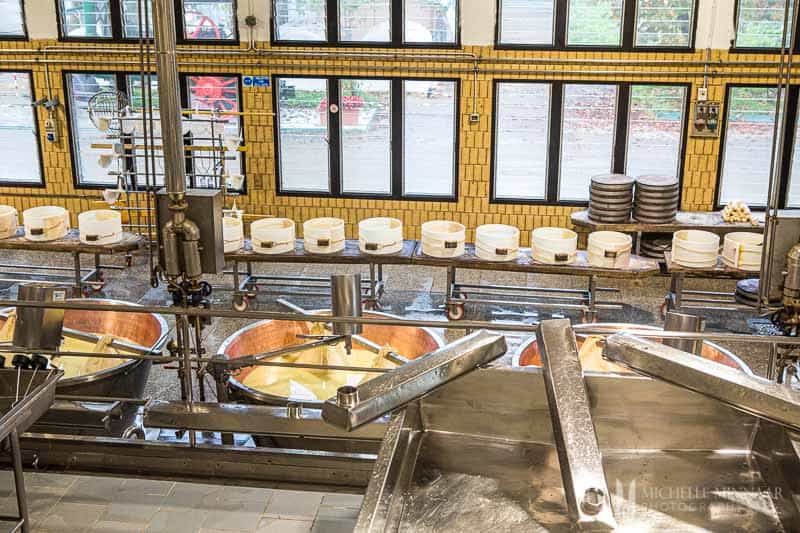
3. Go on a Parmigiana Reggiano tour

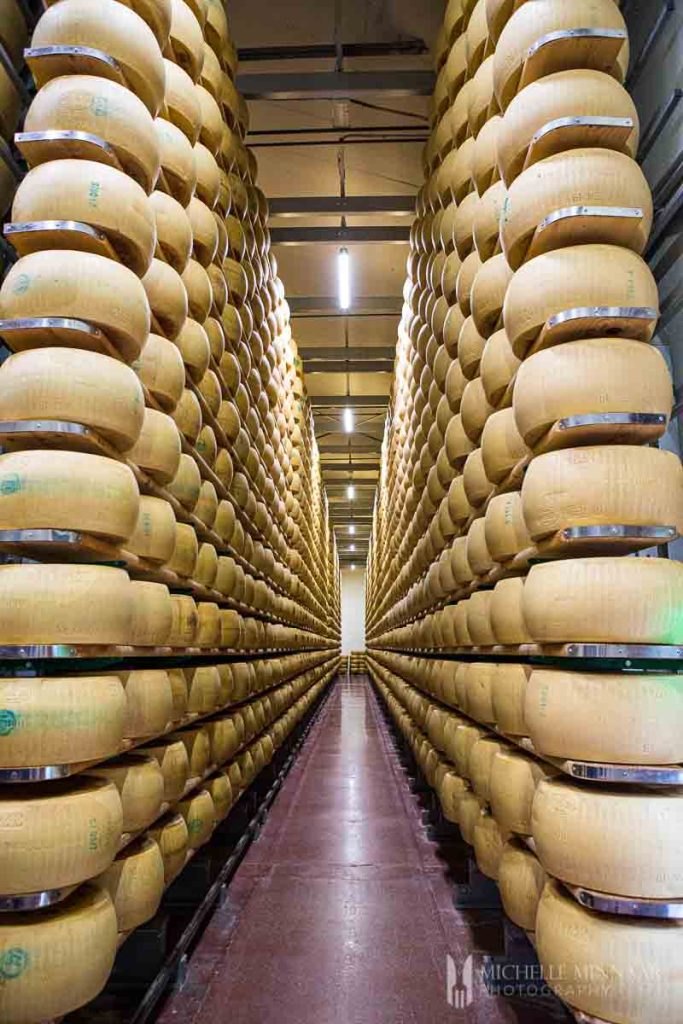
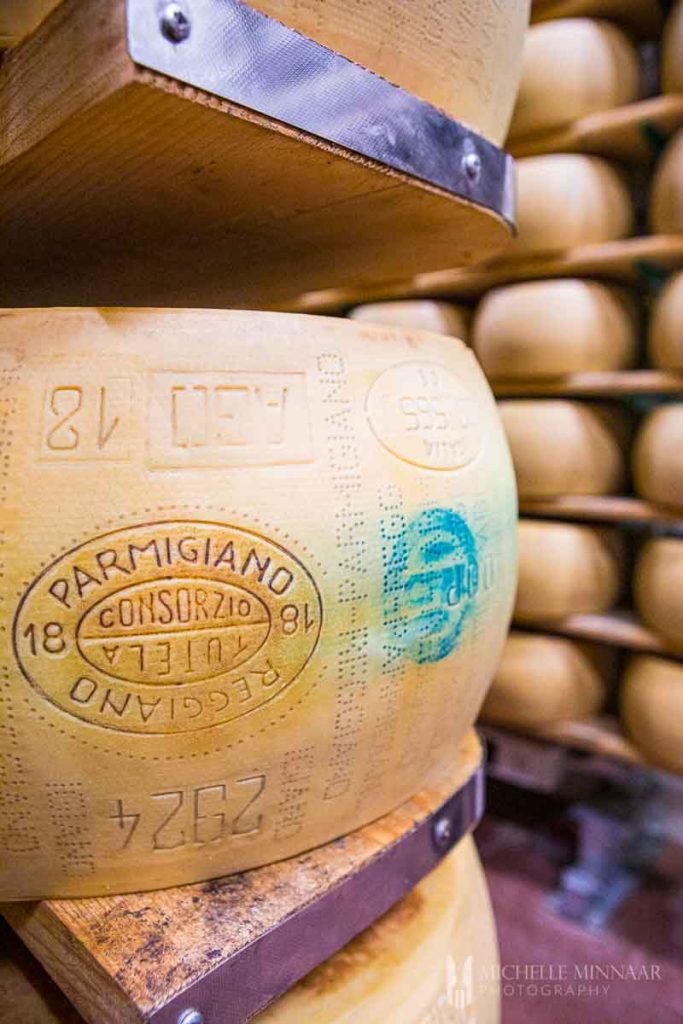
Parmigiano Reggiano is one of those things you’ll be able to easily spot in Modena. It is produced in Parma, Reggio Emilia, Modena as well as in Bologna. A special consortium formed in the  1900s to authenticate the origin of Parmesan cheese. Today, this consortium still oversees that the same level of care and detail go into producing each wheel of Parmesan cheese.

I love Parmesan and have made many recipes with it. For instance, I’ve made Parmesan parsnips, Parmesan crisps and Parmesan arancini.

You’ll have the opportunity to look at wheels and wheels of Parmesan cheese.

4. Go on a wine tour

Even though there are over 60 Lambrusco varieties of wine in the province of Modena, the most popular are Lambrusco di Sorbara, Lambrusco Salamino di Santa Croce and Lambrusco Grasparossa di Castelvetro. If you visit Modena, you should definitely try some Spumante rose or Frizzante! So, go on, take part in a wine tour!

5. Go on a walking tour

After you’ve eaten, I recommend taking part in a walking tour. How else are you going to burn off those calories? During these walking tours, you’ll have the opportunity to visit local shops, purchase some traditional products and see some of the city’s hidden streets.

You can take part in a small group with a local guide, take a private tour or simply take a tour of Modena. 

6. Take cooking classes

Amongst your things to do in Modena, one of the items should be to take a private home cooking class. You can learn the following recipes:

  • learn how to make Modena pasta and tiramisu
  • cook authentic pasta Bolognese
  • make fresh tortellini

I mean, wouldn’t you want to learn how to make pasta and other Italian dishes directly from Italians? Think about it!

7. Visit the Italian car museums

Did you know that Modena is known for its Italian cars? Oh yes, the Ferrari racing-car stable established itself in Modena back in 1929. It is also known for having Lamborghini and Maserati factories. So, if you are a fan of fancy and sporty cars, this is your chance to book a visit to the Enzo Ferrari Museum. Likewise, you can also visit the Lamborghini museum.

8. Visit the Pavarotti Museum

Besides food, wine, and expensive Italian cars, Modena is famous for its opera. Luciano Pavarotti, born near Modena, is one of the most famous Italian opera singers to date. You should definitely grab the chance to visit the Pavarotti Museum, including a free audio guide while you are in Modena. 

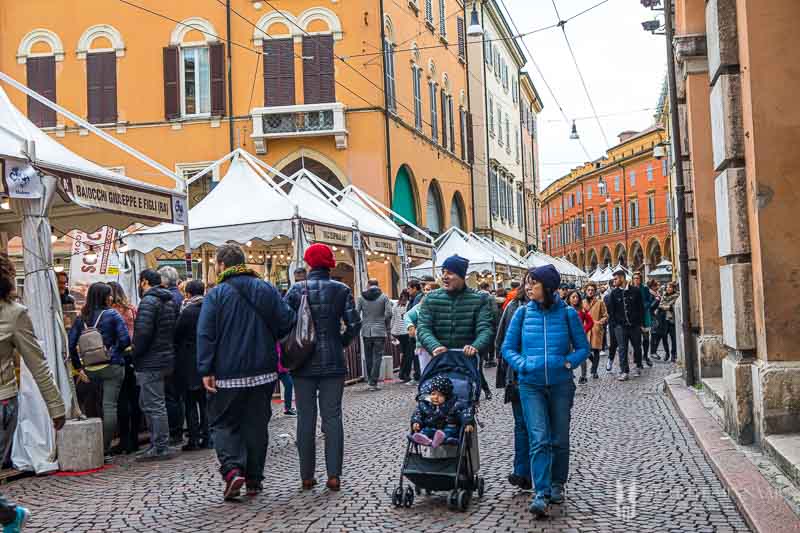
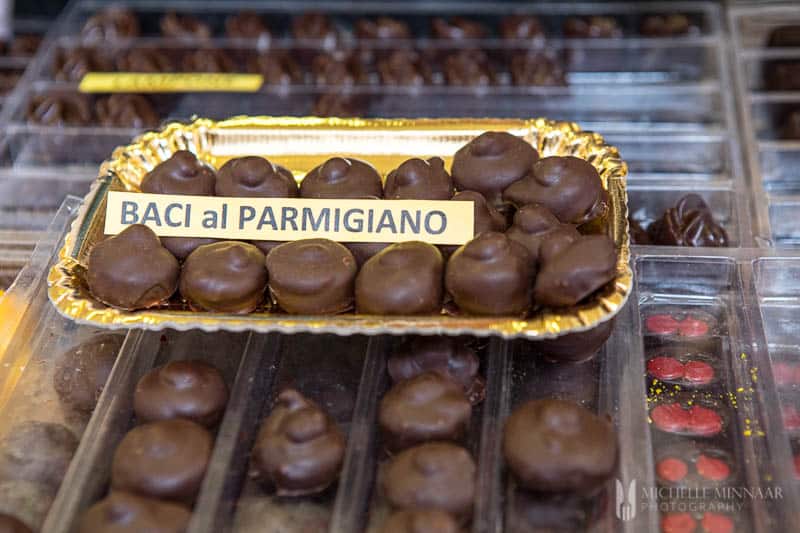
9. Attend the Sciocola Chocolate Fair

If you are a fan of chocolate this festival is for you. The Sciocola is a chocolate festival where you can get your hands on some exceptional handmade chocolates. Hmm, the taste! 

For more information click this link.

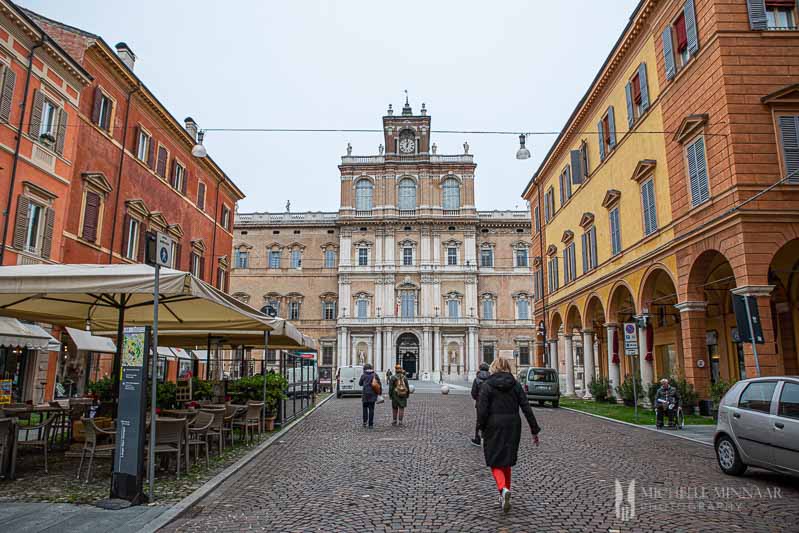
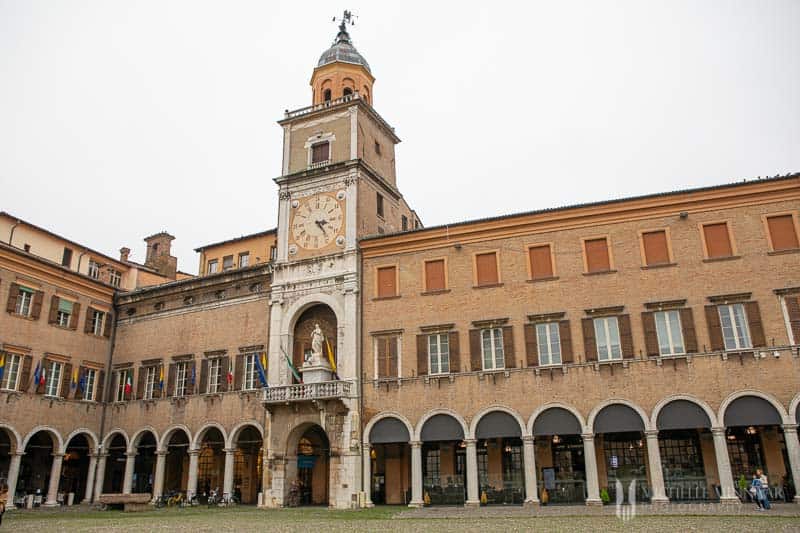
10. Visit the Piazza Grande and the Palazzo Comunale

Check out the stunning architecture of the Palazzo Comunale. 

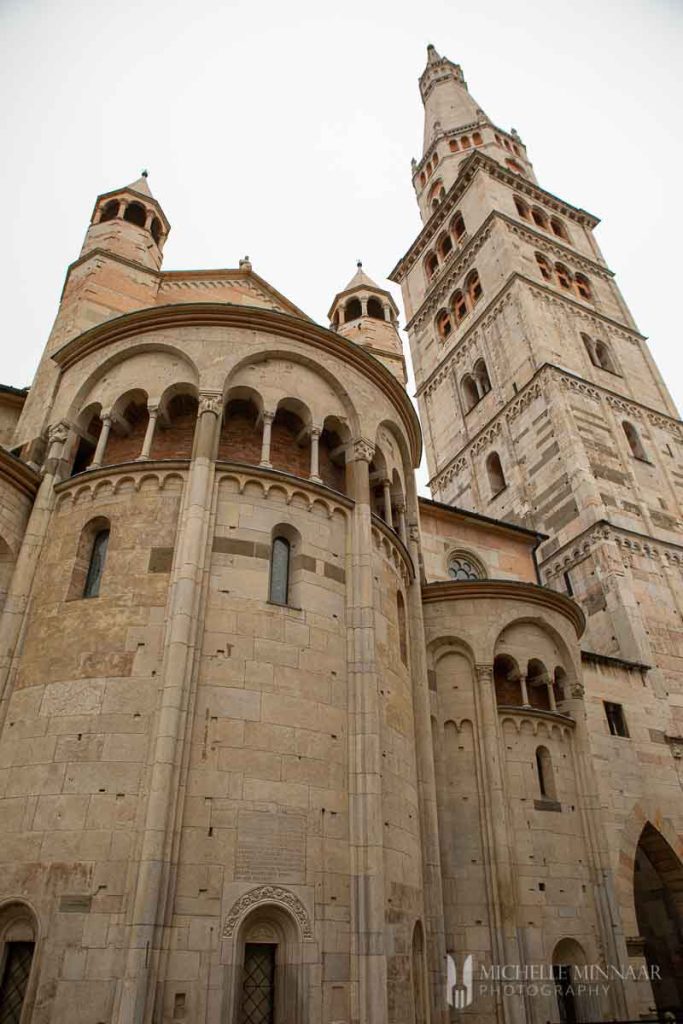
11. Visit the Il Duomo di Modena

Il Duomo di Modena is a Roman Catholic cathedral, consecrated in 1184. Visiting the cathedral should definitely be on top of your list of things to do in Modena.

The interior of the cathedral contains stunning marble parapets and terracotta statues. Moreover, you’ll also find works of great Modenese artists such as Antonio Begarelli or Guido Mazzoni.

12. Visit the Galleria Estense

Here you’ll be able to check out some amazing artwork from the Italian Renaissance, mostly owned by the infamous d’Este family.

So, if you would like to lay your eyes on some wonderful frescos, oil paintings and marble sculptures, the Galleria Estense awaits at the heart of the city.

13. Visit the Mercato Albinelli

The Mercato Albinelli is an ancient Italian market. Since the days of the Italian Renaissance, the market has been home to tons of spices and fresh seasonal vegetables.

Originally, the market was situated at Piazza Grande for many centuries, however in 1931, the location of the market relocated towards the city centre.

Even in the present day, the Mercato Albinelli strongly contributes to Modena’s cultural heritage. 

On your stroll through the market, you’ll find arrays of beautiful vegetables, fruits, Parma ham, a variety of cheeses and much more. It’s a foodies dream come true.

Who wouldn’t want to add this on their things to do in Modena list? If you are interested in taking a sneak peak at the market, then check out this address: Via Luigi Albinelli 13, 41121, Modena 

So, which tours would you like to take part in? Let me know in the comments section below.

June 30, 2025 Uncategorized

The 22 Best Things To Do in Rome

The incredible food! The wonderful wine! The epic history and amazing architecture and a certain feeling that there’s excitement around every corner! Quite simply, Rome has everything. Known as ‘the Eternal City’, it’s a breathtaking blend of ancient history and modern glamour, where the romance of the past creates the magic of the moment.

They say Rome wasn’t built in a day; well, it certainly can’t be seen in a day either. There are so many unforgettable experiences to be had in this enchanting city – from wandering around jaw-dropping cultural landmarks to taking slow romantic river boat cruises, and everything in between.

It would take weeks, months or even years to truly explore the beauty of this ancient wonderland. Yes, it’s called the Eternal City, but who’s got that kind of time nowadays? Not to worry – whether it’s a day trip, a long weekend, or an extended staycation, you can still see some amazing sights and do some incredible things while in Rome. You’ve just got to know the right places to go.

Which is why we’ve whipped up this definitive list of the very best things to do in Rome! Don’t forget, there’s an FAQ section at the bottom of the article, for some valuable little nuggets of advice on how to get the best out of your time in this charming city, as well as tips on how to experience it like a local.

Well, you know what they say, “When in Rome…”

1) Venture to the Vatican Museums

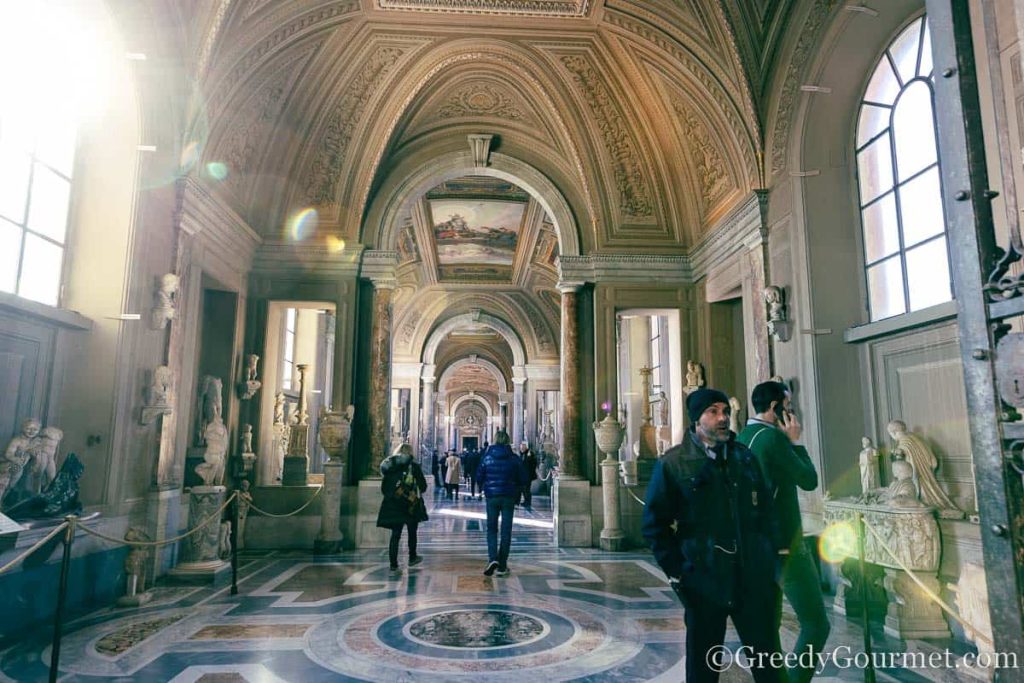
When visiting Rome, a trip to the Vatican is a must. While not technically in Rome – Vatican City is actually a principality – it’s just a short trip from the city center, and the Vatican Museums are one of the most popular landmarks in the whole of Rome. The museums, which are split into several different sections, house more than 70,000 works of art, although the buildings are work of art themselves!

You’ll be spellbound as you wander around the various ornate rooms, each more incredible than the last. It’s fitting then that the final flourish of the Vatican Museum is the world famous Sistine Chapel, complete with Michelangelo’s fresco… eyes to the ceiling, jaw to the floor!

The queues can be a nightmare, of course! I recommend thinking ahead and getting a skip the line ticket for the Vatican Museums and Sistine Chapel. It’s a much more relaxing way to experience one of the world’s most astonishing art museums.

2) Explore the Vatican Gardens

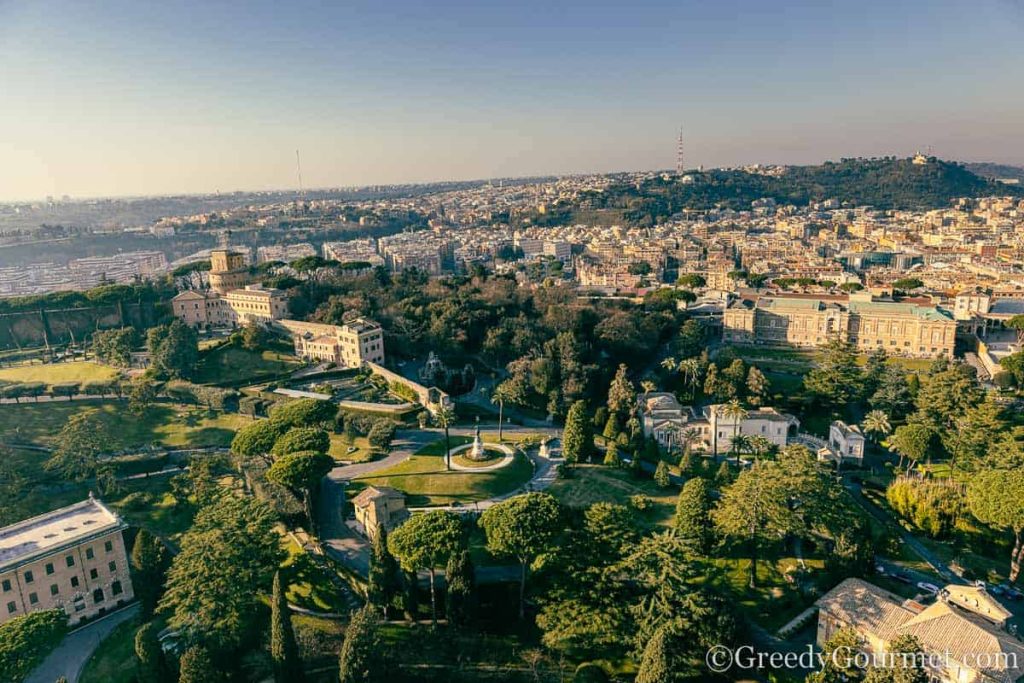
Once you’ve taken in the majestic beauty of the Vatican Museum and the Sistine Chapel, a bit of tranquility is in order. These ornate botanical gardens take up most of the whole of Vatican City and are welcome respite from the hustle and bustle of the Vatican Museum.

Sculptures, medieval monuments, floral artworks and ornate fountains make up these gardens, which were first opened to the public in 2014. It’s well worth a visit, especially in spring time when the colors of the freshly bloomed flowers add to the beauty of the surroundings.

If you want to experience the gardens in their true beauty, book a private tour. You could even combine a Vatican Gardens minibus tour with a skip the line ticket to the museum.

3) Climb the Dome at St Peter’s Basilica

The other essential Vatican landmark, St Peter’s Basilica is one of the most iconic churches in the world. Known in Rome as the ‘Basilica di San Pietro’, it’s the spiritual center of the Catholic church and one of the architectural wonders of the modern world.

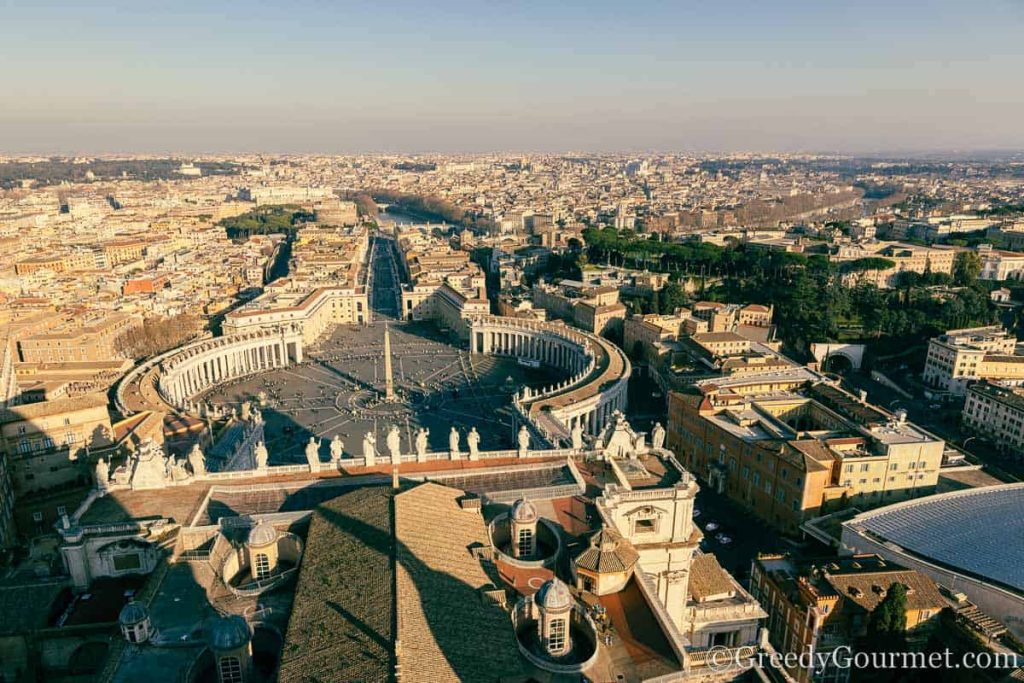
Attractions within the Basilica include La Pieta (the only work of art that Michelangelo ever signed) the altar with its stunning baroque Roman architecture style bronze canopy and, of course, the famous dome – at 448 feet, the tallest dome in the world.

A guided tour of St Peter’s Basilica will your experience to a whole new level – literally! You’ll climb the stairs to the very top of the dome, enjoying stunning panoramic views of St Peter’s Square and the whole of Rome. With a guided tour, you’ll also get insights from an art historian to unlock the secret history of the jewel in the Catholic crown.

4) Roam the Roman Forum

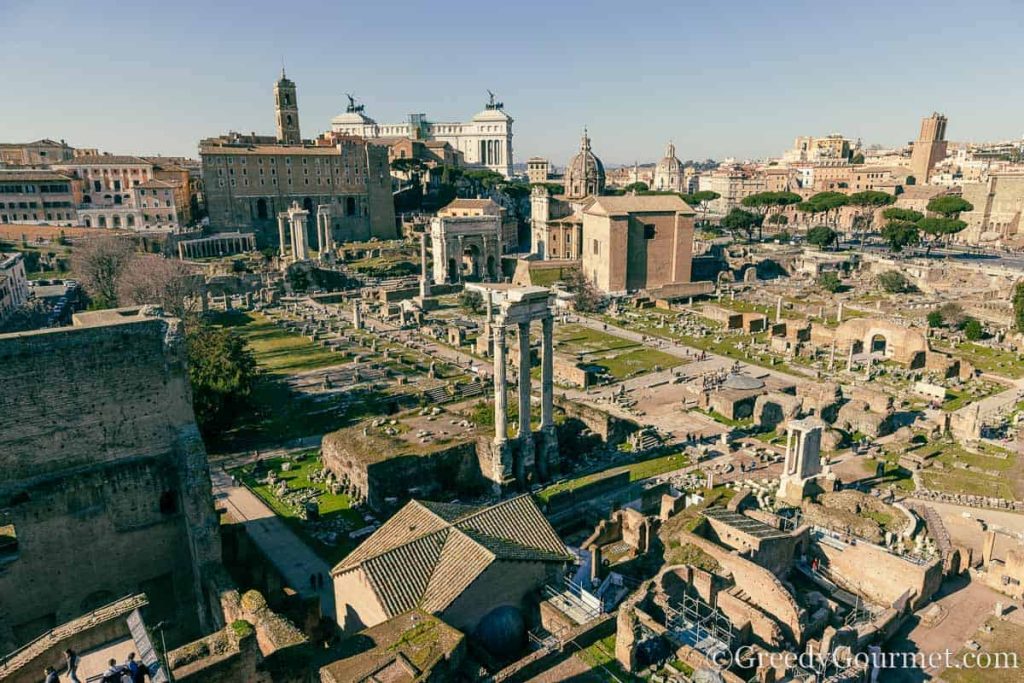
In a city full of stunning ancient landmarks, the Roman Forum could well be the most stunning ancient landmark of all. The partly-preserved beating heart to the Roman Empire, it served as the centerpiece to Ancient Rome and was the setting for famous speeches (Marc Antony’s famous speech on the death of Julius Cesar took place at the Forum), trials, processions, gatherings and Roman public life in general.

It’s best to think of the Roman Forum like an open air museum. As you wander around the 5 acre space, the past glories of the ancient empire rise from the ruins to give you a glimpse into the daily lives of the Romans, as well as the sheer spectacular style of the center of the city. The Arch of Titus, The Temple of Vesta and the Temple of Saturn are just some of the highlights at the Roman Forum.

For the full story behind these ancient remnants of the Roman Empire, book a guided tour of the Roman Forum, or get an interesting take with a tour centered around the less-known story of the role women of ancient Rome played in Roman society. You can also take a double deep dive into Ancient Rome, with a Roman Forum and Colosseum tour.

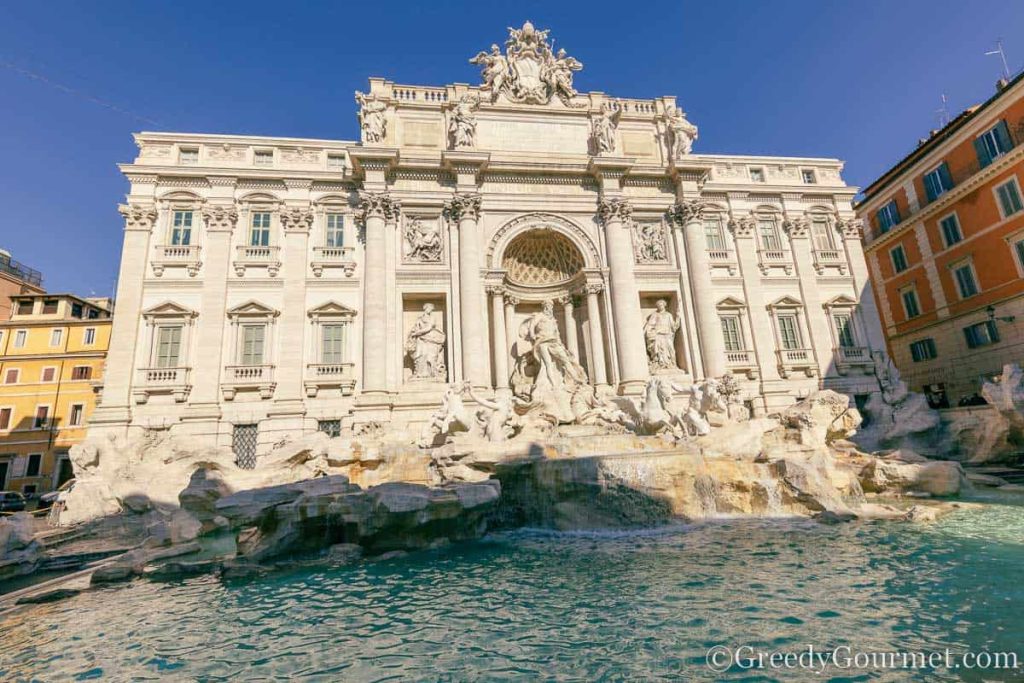
5) Marvel at the Trevi Fountain

A stunning 85-foot tall fountain located right in the heart of Rome, the Trevi Fountain is one of the post popular things to do in Rome. Originally built by the Ancient Romans as a meeting point of the city’s three sources of water (hence Trevi, which means three way), it underwent a massive reconstruction, with architects Nicola Salvi and Giuseppe Pannini completing the project.

The appeal of the Trevi Fountain lies is its importance as both an artistic and historical monument. From an artistic perspective, it looks incredible. The ornate sculptures tell a story of the Greek god Oceanus battling to tame the power of the sea. Historically, it’s Rome’s oldest water source.

Book a Trevi Fountain guided tour, which includes expert insights from a local, as well as and underground tour to the still-functioning 2,000-year old aqueduct.

Unless you’re a serious night owl and you visit it in the wee small hours, don’t expect to find the Trevi Fountain a solitary, relaxing place. It’s pretty much packed full of tourists from dawn until dusk, so you’ll be in good company as you feast your eyes on the beauty of Rome’s most famous fountain.

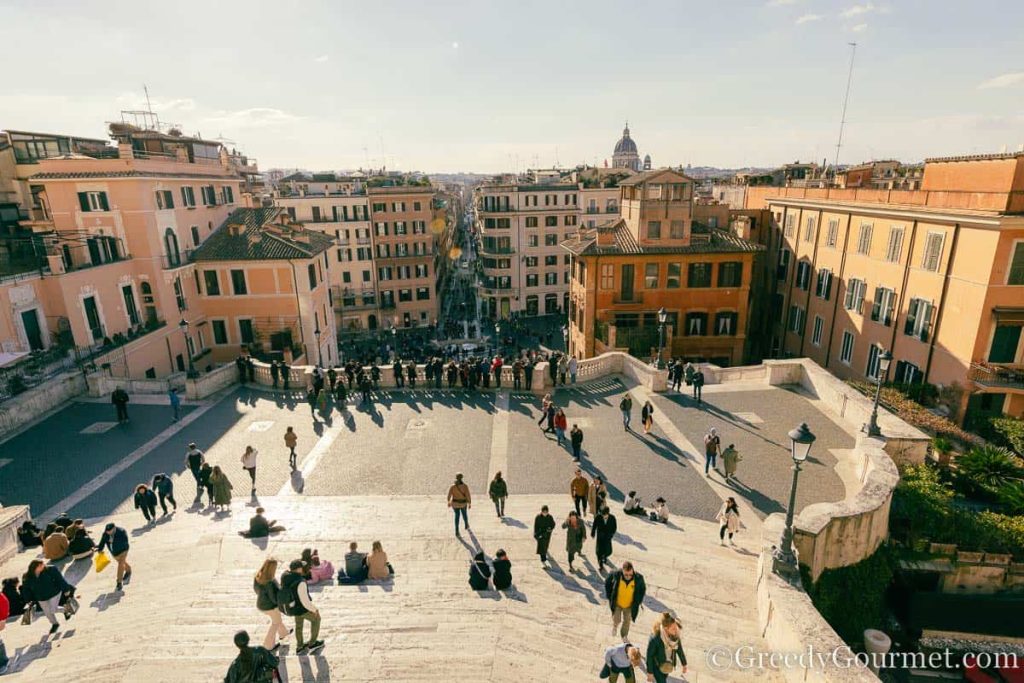
6) Take in the Sunset on the Spanish Steps

Built between 1723 and 1725, the Spanish Steps were actually commissioned by a French diplomat. So they should be the French Steps, right? Well, not exactly. The name comes from the fact that the Spanish embassy used to be nearby and that the square at the foot of the steps is called Piazza di Spagna (Spain Square). The Spanish Steps is an unofficial name, though – the official name is Scalinata della Trinità dei Monti.

Made up of 135 steps, the Spanish Steps are located near Italy’s most famous shopping street – Via Condotti – and are the widest and longest set of stairs in Europe. Part of the appeal of this famous attraction is the view from the top – climb the steps and you’ll be rewarded with a picturesque panoramic view of the City of Seven Hills, as Rome is often called. If you can, time it so that you can see the sun go down from the top of the steps!

Another little tip… if you’re visiting Rome during the spring, the steps will be adorned with thousands of decorative colorful flowers to celebrate the season – sure to put a ‘spring’ in your step!

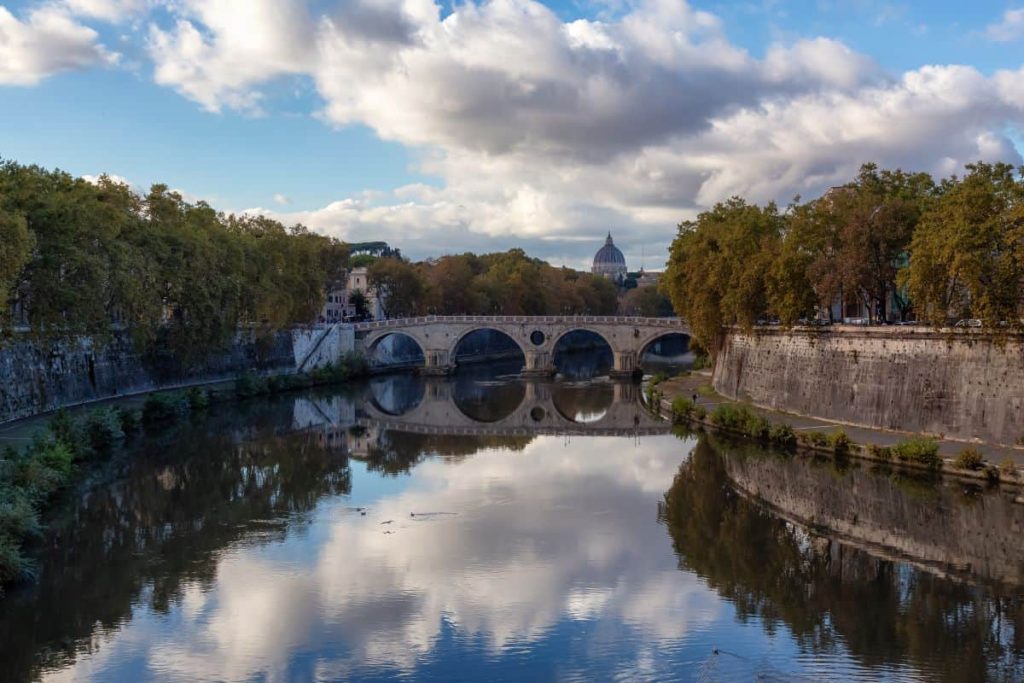
7) Take a Romantic Cruise Down the River Tiber

The Romans literally invented the word romance and it doesn’t get much more romantic than a nighttime riverboat cruise down the Tiber – the city’s famous river, where you’ll be able to gaze in awe at the beauty of the Rome from the serenity of the water.

It’s a far more peaceful way to see the sights than a daytime bus tour – the night setting adds the glistening golden lights reflecting off the water, making Rome’s views all the more breathtaking – and it’s a great way to escape the intensity of the city center, while appreciating it from afar.

8) Enjoy an Open Air Opera

Speaking of romance, one of the most romantic things to do in Rome is to catch a live opera performance. A uniquely thrilling experience, live opera captures the timeless magic of the city of Rome, and what better place to see it than from a rooftop in Rome?

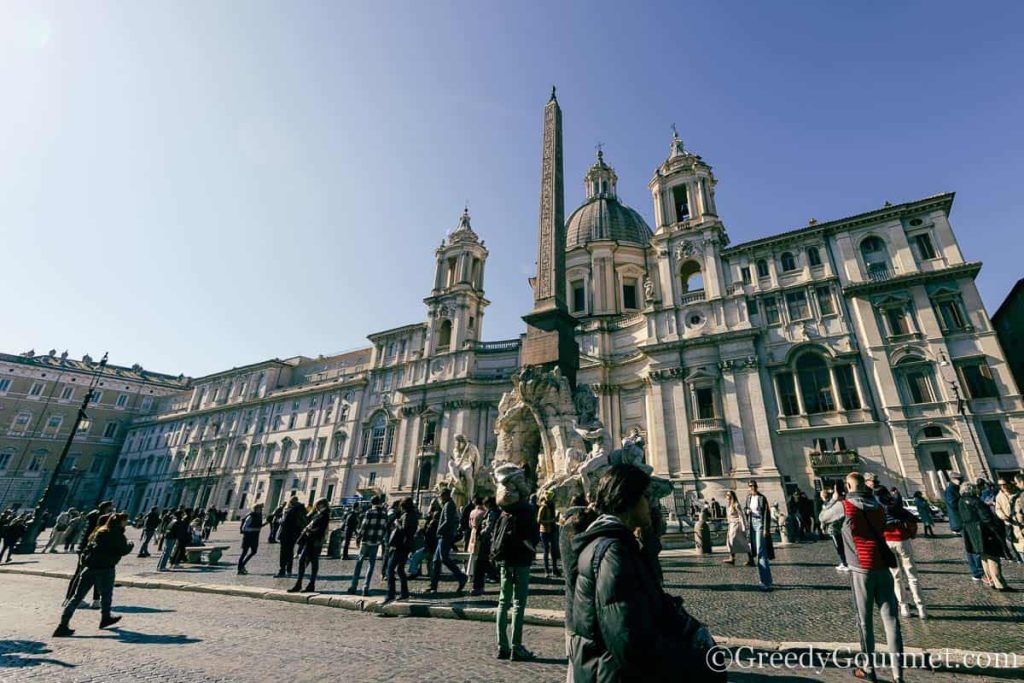
One of the most special operatic offerings in the city is the Open Air Opera Concert held at the Pamphilj Palace – a baroque masterpiece located next to Piazza Navona. The Palace’s rooftop is known as ‘The Great Beauty’ roof terrace and is the setting for a famous scene from the Oscar-winning film of the same name.

Expect arias & duets by Verdi, Rossini, Puccini , together with an Italian aperitifs, wine and a stunning 360° view of the whole of the Eternal City – a fitting backdrop to an art form that comes closest to expressing pure emotion. It’s a spine-tingling experience and one that shouldn’t be missed by romantics and music-lovers alike.

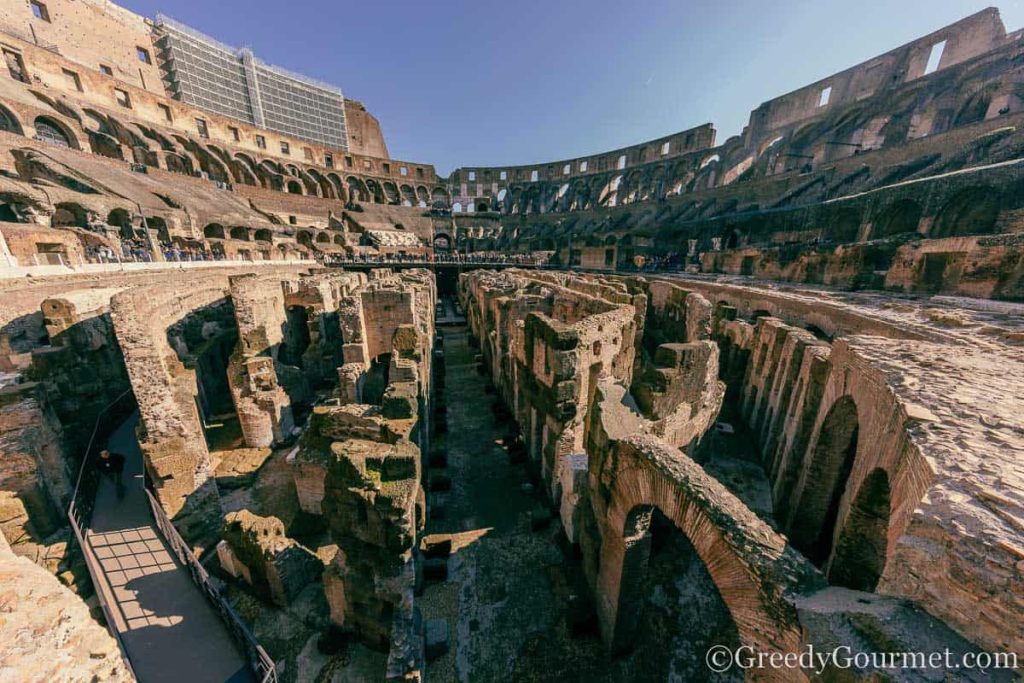
9) Step onto the Arena at the Colosseum

Nothing else in this city epitomizes the splendor and drama of Ancient Rome quite like the Colosseum. It makes the list of most people’s places to see in Rome, Italy and even the world! Step through the stone doors and you’re immediately transport back in time, your imagination running wild with tales of armored gladiators fighting exotic animals… savage and cruel, yes, but fascinating nonetheless.

From the outside and on the inside, it’s truly a sight to behold. However, to really get the best out of a visit to the Colosseum, get out onto the ‘arena’. The floor of the colosseum was covered in sand (harena, or arena in Latin, hence the word ‘arena’ for stadiums) to soak up the spilled blood. Gruesome, yet it’s from this vantage point that the colossal craziness of the Colosseum really starts to sink in.

With a guided underground tour of the Colosseum, you’ll be able to see parts of the the ancient stadium that are usually restricted on a guided walking tour, exploring the dungeons, underground tunnels and chambers of the Colosseum, with special access to the arena floor.

10) Get Spooked in the Roman Catacombs

For all Rome’s elegance above ground, it’s the underside that delivers a deeper insight into the grisly history of the ancient city. The subterranean secrets of the city are found in passageways that predate even the Romans – they were carved out by the Etruscans thousands of years ago for mining limestone and sandstone. Here you’ll find some of the oldest catacombs in the world, where the Roman’s buried their dearly departed for several centuries.

The most infamous ‘attraction’ of the Roman Catacombs is the Capuchin Crypt – a macabre masterpiece that’s decorated with the bones of 4,000 Capuchin Monks. However, it’s not all grim and gruesome curiosities – the Catacombs also contain one of the most valuable artworks collections in the world, including pieces by Caravaggio and other Ancient Christian art.

A tour of Rome’s crypts and catacombs is a great way to see the darker side of the Eternal City. If you’re searching for an alternative to the art galleries and iconic landmarks, away from all the typical things to do in Rome, a trip down under to the Catacombs might just be the perfect activity for you.

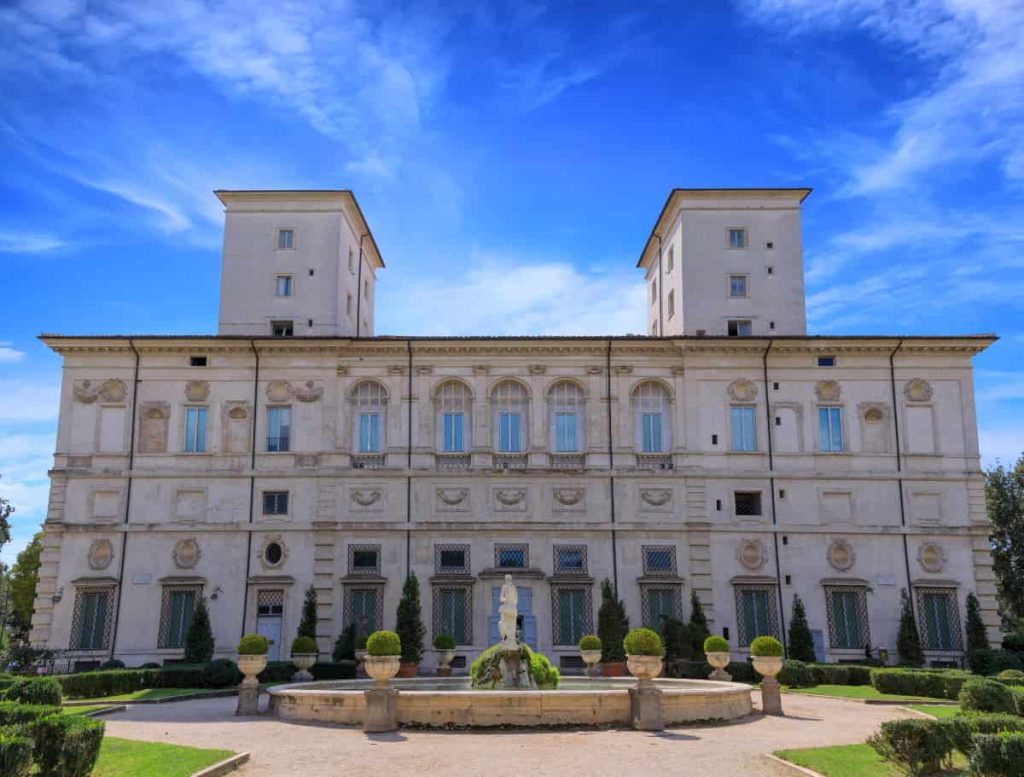
11) Get Lost in Culture at the Borghese Art Gallery

You’ll find Rome’s world famous art museum, the Borghese, set among lush green gardens and manicured lawns of Vila Borghese – the largest public park in central Rome. It’s a quiet oasis and a welcome break from the intensity of the city, and the elegant exterior of the art gallery hints at the artistic treasure trove that awaits on the inside.

The artworks on show were put together by Cardinal Scipione Borghese – the pope’s right hand man at the turn of the 17th century. The cultured cardinal was a committed collector of Caravaggio, Canova and Raphael, among others, and while the collection of paintings is well worth the entry price, it’s the sculptures that really take the breath away, particularly those by Bernini. Don’t miss his flat out marble masterpiece “Daphne and Apollo” which depicts the Greek myth of the fated lovers.

Keep in mind… walk-ins are not welcome and pre-booking in advance is a must. Better yet, book yourself a guided tour and benefit from the walkthrough wisdom of a local art buff, with skip-the-line access to avoid the crowds.

12) Sample Local Produce at the Campo de Fiori

Not far from the renowned Piazza Navona, you’ll find the oldest market in Rome – the Campo dei Fiori, or the ‘field of flowers.’ Not only is it the oldest market in the city, it’s also the most picturesque and it’s hugely popular, with locals and visitors alike. Here, you can buy fresh local produce such as fruit, vegetables, meat, poultry and fresh fish, while the square is surrounded by specialty food shops, bakeries and artisan workshops selling all kinds of Roman trinkets.

During the day, Campo dei Fiori is vibrant, colorful and abuzz with locals – the perfect place to people watch and soak in the atmosphere of the Eternal City. Come the evening, it transforms into a far more festive place, with hip locals, foodies and adventurous tourists gathering to sample street food, drink cocktails and enjoy the unique atmosphere of Rome at night.

For those looking to rub shoulder with the locals and live life like a Roman, a nighttime Campo dei Fiori food, wine and sightseeing tour is the perfect activity. You’ll take a stroll through the square and Rome’s Jewish quarter, as your guide tells you about the history of the area and takes you to the best family-run eateries in the city, where you’ll sample some of the best food and wine Rome has to offer.

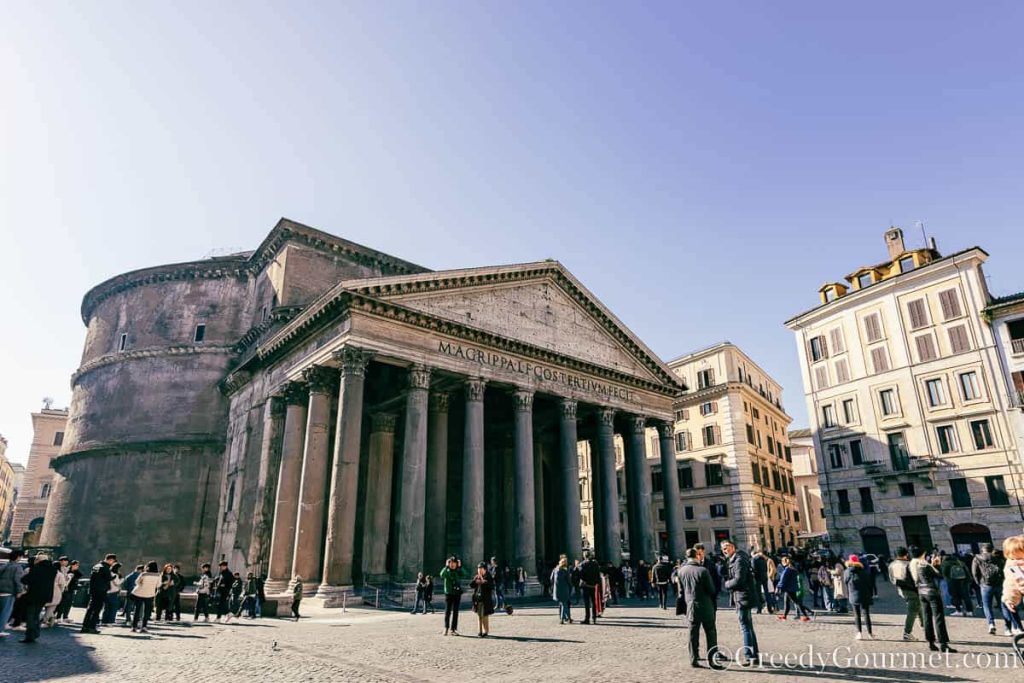
13) Be Amazed by the Pantheon

Without a doubt one of Rome’s most iconic landmarks, the Pantheon is one of the best preserved ancient structures in the world. Often imitated, never bettered, the pillar front makes it one of the most recognizable buildings in the world. Even if you’ve never heard of it, you’ve most definitely seen buildings inspired by its style.

The Pantheon was built almost 2,000 years ago – 118 AD to be precise – by Emperor Hadrian as a temple for Roman’s to worship. Inside you’ll find an incredible ornate interior, with marble flooring, stone patterns, intricate carvings and an astonishing dome that’s the biggest masonry dome in the world.

While the sight of this ancient marvel is enough to take the breath away, the deeper story of the construction and preservation of the Pantheon is fascinating. For history buffs, a Pantheon tour is highly recommended – you’ll get valuable insights from a professional archaeologist and hear stories of Roman architects and engineers, saints and emperors, politicians and soldiers, while discovering the Pantheon’s ancient Roman symbols and architectural traditions.

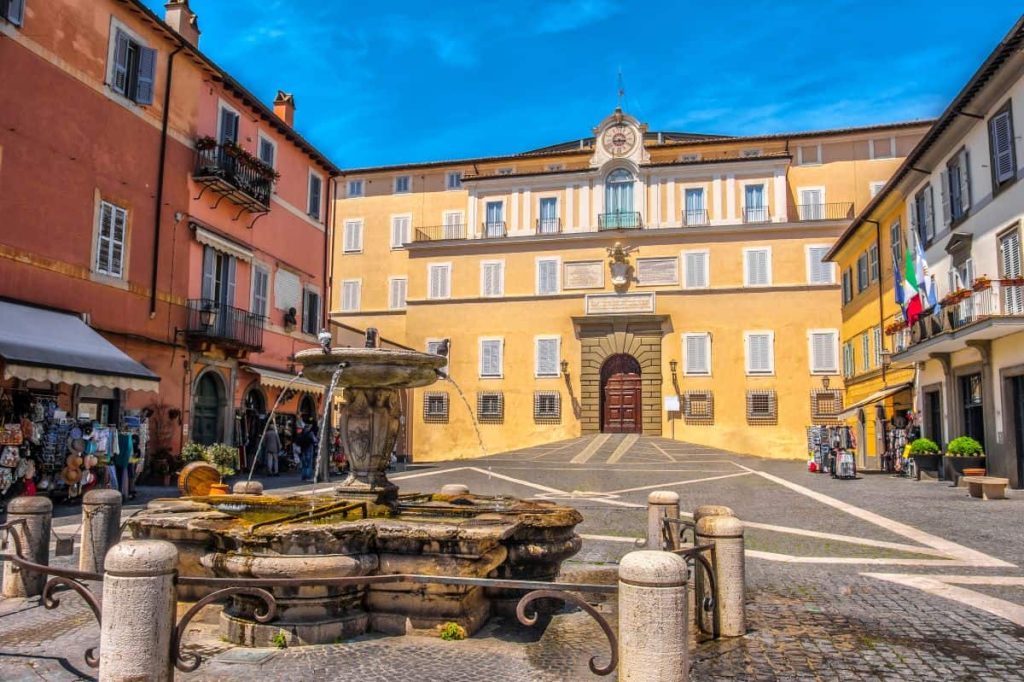
14) Escape the Hustle and Bustle at Castel Gandolfo

For all Rome’s beauty, sight seeing in the city can be tiring. Luckily, there’s a nearby haven that offers the perfect chance to escape the busy city. Located just 25 km southeast of Rome, the picture postcard-perfect village of Castel Gandolfo is nestled in the Roman hills, overlooking Lake Albano, and just happens to be the Papal summer residence. Hey, if it’s good enough for the Pope…

Of course, the Papal Palace is the pick of the bunch, with its beautiful furnishings and landscaped gardens, but there are many more attractions at Castel Gandolfo. The village center has gorgeous lakeside views, where you can grab a bite to eat from Piazza della Libertà’s cafes or restaurants.

You can purchase a guide package that includes transport by train, a skip-the-line ticket to Castel Gandolfo, the Apostolic Palace and the Barberini Gardens, as well as an audio tour of the Castel and the Gardens. All in all, well worth a visit!

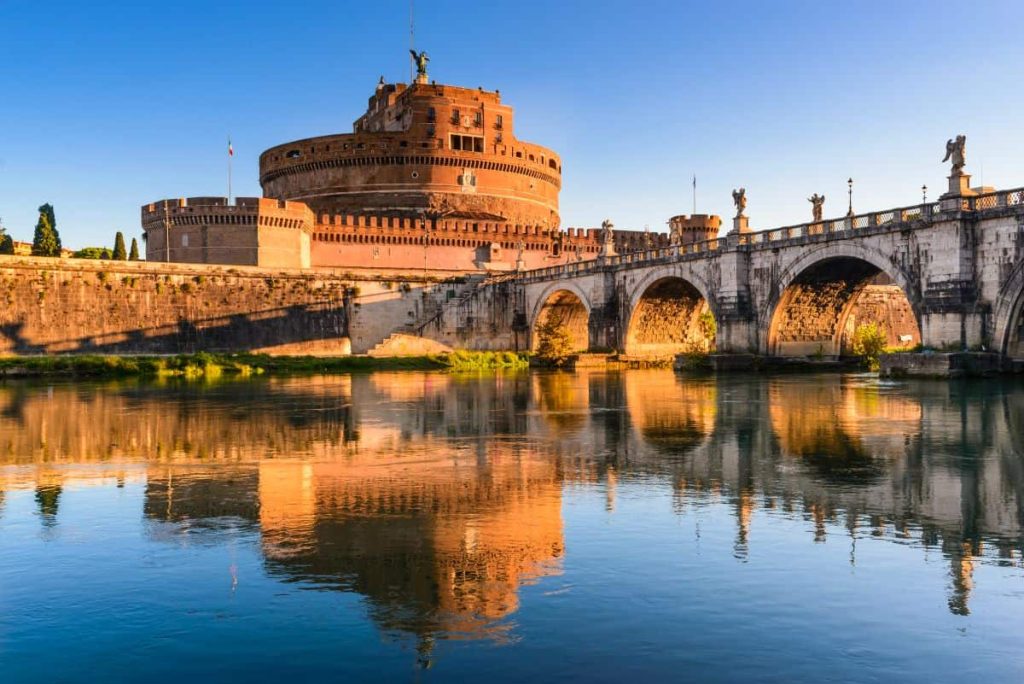
15) Uncover Secrets at Castel Sant’Angelo

What began as a burial place for Roman Emperors almost 2,000 years ago, Castel Sant’Angelo has since become a fortress, a prison, the Pope’s hideout and, finally a monument to Rome’s history.

See former residences of past popes, admire artwork by the likes of Raphael and Michelangelo, gain an insight into Rome’s evolution over the past 2,000 years, and enjoy what might just be the best panoramic view in the whole city. There are seemingly endless secrets and stories to be discovered within the castle’s walls and, in terms of all-round insights into the history of Rome, it’s one of the city’s best and most informative landmarks.

It’s also one of the busiest, so a skip-the-line tour is highly recommended. You’ll whizz past the crowds for a deep dive into the story of this multi-functional historical wonder, before hearing stories of battles, executions, artful masterpieces and religious refuge, before enjoying a scenic stop on the Castle’s rooftop, for that epic view over the River Tiber and the entire city.

16) Take the Train from Rome to Pompeii

For those looking to spread their experience outside of the Eternal City, a train trip to one of the most astonishing archaeological sites in Europe is in order. A fascinating reminder of the unforgiving power of nature, Pompeii’s part-preserved ruins lie in the aftermath of the Mount Vesuvius eruption of almost 2,000 years ago. Walking around the site is an incredible experience – essential for anyone with even a passing interest in history or a mind for the macabre.

An all-inclusive VIP day trip by train from Rome to Pompeii is the best way to experience this historical wonder with all the logistics and stress taken out of the equation. The high speed train from Rome to Naples, then from Naples to Pompeii takes a little over 1 hour 30 minutes, and you can sit back and enjoy the views in air-conditioned comfort. Meanwhile, the day trip includes a wine tasting and farm-to-table lunch at a local vineyard at the foot of Mount Vesuvius.

17) Ride Around Rome on a Vespa

Forget crowded bus tours – the very best way to get a whistle-stop tour of Rome is via the sidecar of a Vespa! Take a guided Vespa sidecar tour and you’ll be able to explore Rome like a local, taking in the stunning scenery and Eternal City’s most iconic landmarks as you whizz around cobbled streets and through picturesque plazas.

The Colosseum, St Peter’s Basilica, Piazza Navona, the Trevi Fountain, the Spanish Steps – you’ll see all the major sights, before stopping off for coffee and a gelato while enjoying breathtaking views of the city from the top of Palatine Hill. These kind of tour experiences have that extra personalised touch, and you’ll get a live narration through headphones as you ride along, giving you valuable insights into each of Rome’s top attractions.

If you’re looking for a fun, intimate, unforgettable experience in Rome, this should definitely be on your list of things to do!

18) Watch a performance at St. Paul’s Within The Walls Church

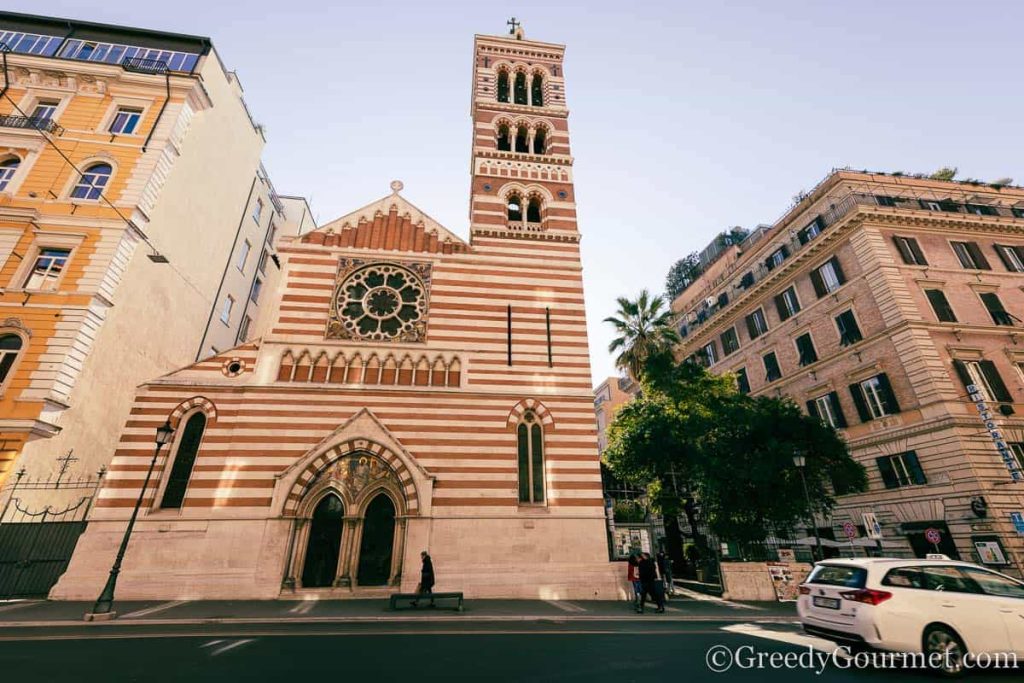
St. Paul’s within the Walls Church is a historic Anglican church located in the heart of Rome, Italy. Built in the 19th century, it features stunning Gothic Revival architecture, including intricate stained glass windows and ornate marble columns.

The church has a vibrant community and hosts a variety of cultural events throughout the year, so if there is nothing on at the Teatro dell’Opera di Roma, you can get your dose of culture at this venue. We watched a rendition of La Traviata!

19) Gorge on gelato!

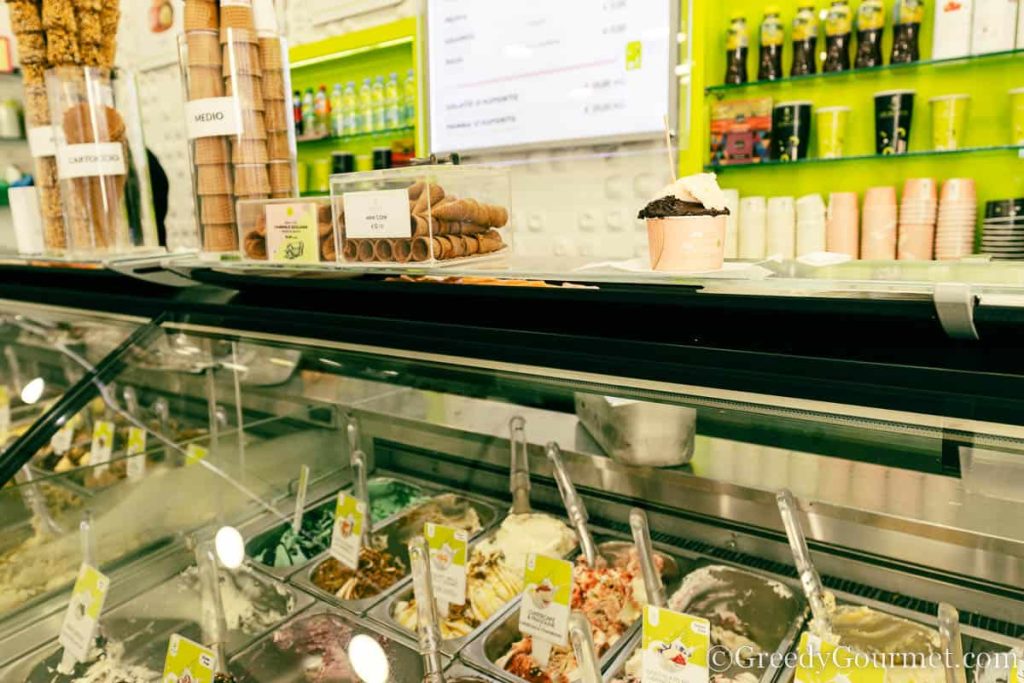
You simply can’t miss it. On just about every street corner you will find a gelato shop, offering a wide array of flavours that will please every palate on this planet. For more information, check out my article on the Best Foods To Try In Rome!

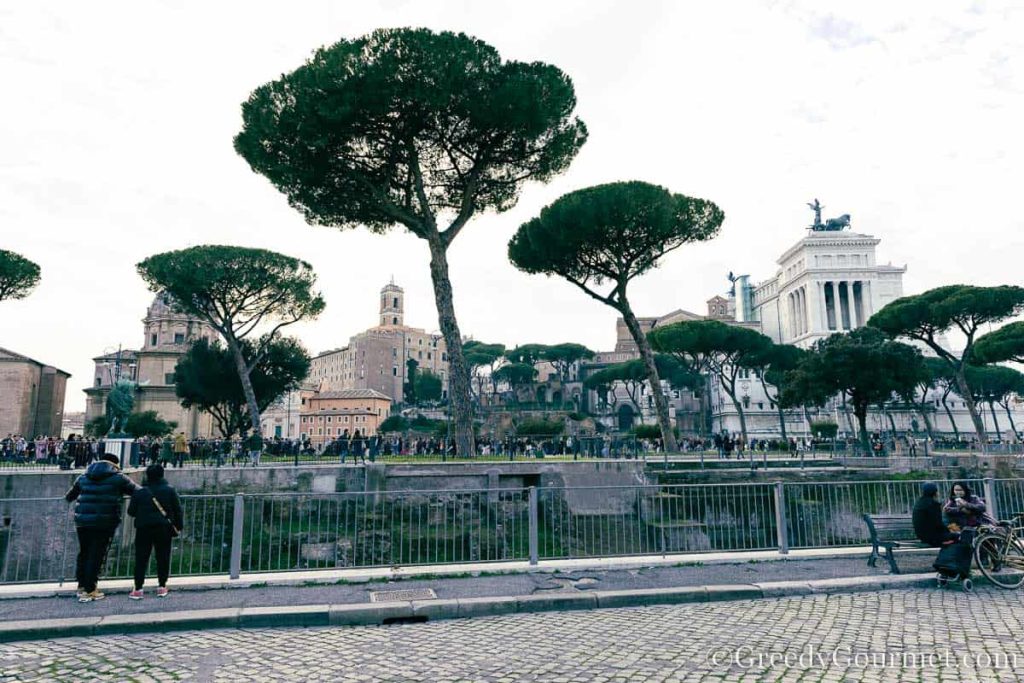
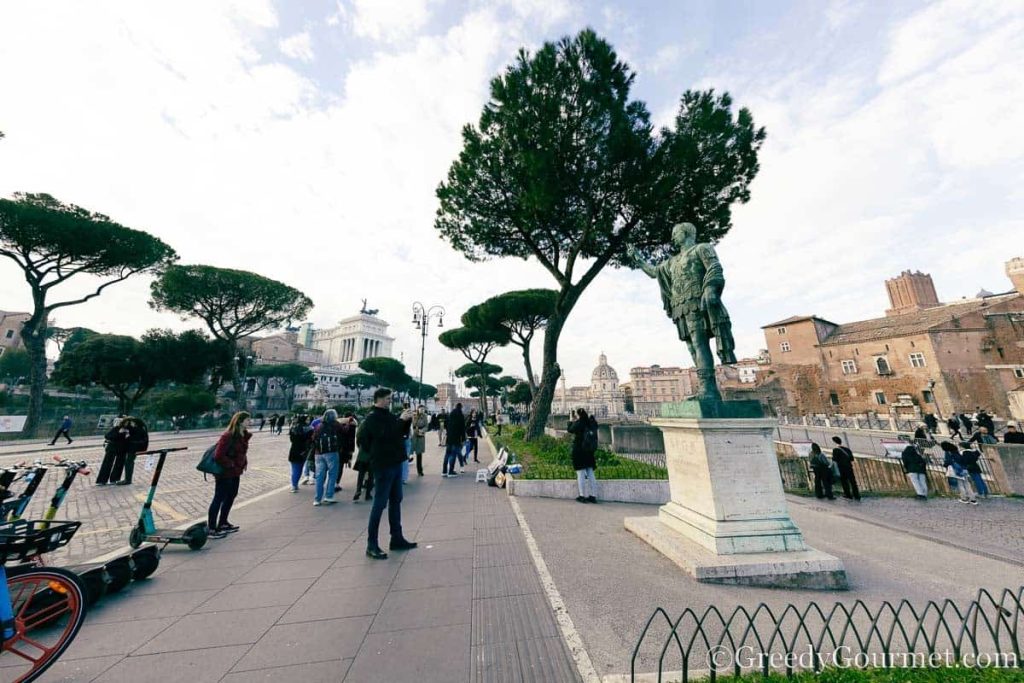
20) Stroll down Via dei Fori Imperiali

Via dei Fori Imperiali is a historic street in Rome, Italy, that runs between the Colosseum and Piazza Venezia. It was built in 1932 by Mussolini and cuts through the Imperial Fora, a series of monumental public squares and buildings constructed during the Roman Empire.

While walking down this street, it truly feels as if I was in the cradle of Rome, surrounded by magnificent buildings, old and new-ish.

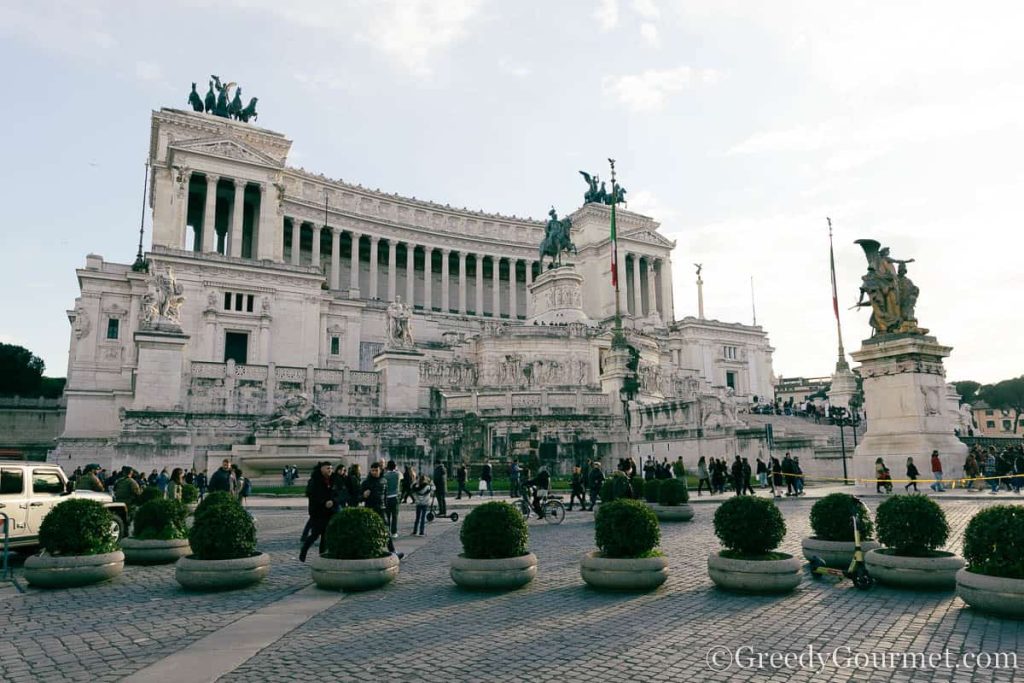
21) Explore Monumento a Vittorio Emanuele II

The Monumento a Vittorio Emanuele II is a massive white marble monument located in Rome, Italy. It was built between 1885 and 1911 to honor the first king of a united Italy, Vittorio Emanuele II. The monument features an impressive colonnade, a statue of the king on horseback, and a terrace with panoramic views of Rome.

Entry is free but museum exhibitions aren’t. Another paid option is to take the lift the top of the building to take in awesome views of Rome’s city scape.

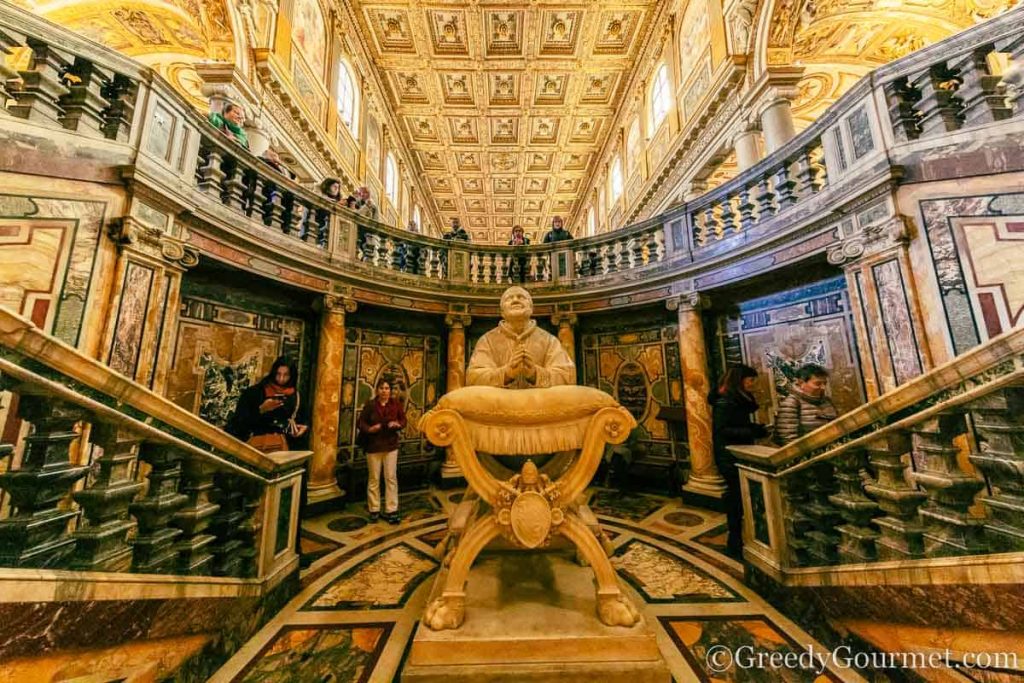
22) Discover Basilica Papale di Santa Maria Maggiore

After a few days in Rome you might feel over saturated with old big buildings and then you discover yet another one and get blown away. We were on our way to the Coliseum when we wondered what people were doing have their bags x-rayed at this big building. Is it a city hall? Or something to do with the government? No, it’s another church!

Basilica Papale di Santa Maria Maggiore is a large and historic Catholic church in Rome, Italy. It is one of the four major basilicas in the city and is dedicated to the Virgin Mary. The basilica boasts impressive architecture and artwork, including the famous 5th-century mosaics in the nave.

What is the most visited place in Rome?

You might be surprised to learn that it’s not the Colosseum!

With over 8 million visitors every year, the Pantheon is Rome’s most visited attraction. It’s not surprising really, especially when you consider the fact that the ancient building is almost 2,000 years old, is one of the most influential buildings in terms of style, and is regarded as one of the best preserved ancient wonders in the world. Also, entry is free!

The Colosseum is number two on the list, with 7 million visitors every year.

What are the things Rome is famous for?

The Colosseum is probably the most famous monument in Rome. Its long fascinating history draws millions of tourists every year. Plus, the popularity of the Colosseum has increased since films like ‘Gladiator’ and with an increasing interest in Ancient Rome.

The Roman Forum is also a very famous ancient landmark. Of course, Rome is also renowned as the home of the Vatican and, in particular, the Sistine Chapel with Michelangelo’s fresco on the ceiling – one of the world’s most famous works of art.

Then there’s the romance, the food, the wine… the list goes on!

How many days do you need in Rome?

There’s so much to see and do in Rome, it would take ages to really appreciate all its beauty! For visitors, 4-5 days is a decent amount of time to see the essential landmarks and enjoy the food, culture and to get to know the Roman way of life.

What day are the museums free in Rome?

Rome’s city-run museums are free on the first Sunday of every month. That means that some of the very best museums that normally charge €10-€15 per month are absolutely free.

If you happen to time your trip to Rome at the start of the month, don’t forget to take advantage of free entry! A word of advice – pre booking a time slot via the museum’s website is most likely required in order to get free entry.

Is there nightlife in Rome?

Rome by night is a thing of beauty. The stunning architecture provides a magical backdrop to the evenings, in a city where you’re never too far away from a good bar. 

From around 7-8pm every night – even during the week – you’ll notice that the city’s piazzas will come to life, as the locals finish work and gather for dinner and evening drinks with friends.

There are lots of night clubs in Rome with a wide variety of music and styles, as well as many cool bars with excellent live music. If you’re heading to Rome to explore the nightlife, you most definitely won’t be disappointed!

What part of Rome is the best at night?

The famous piazzas in the center of the city are great locations for night-time revellers. There’s a vibrant energy that brings a wonderful atmosphere at night, guaranteed to captivate visitors to the Eternal City.

One the best piazzas is Piazza Navona. It’s great during the day, but at night it really comes into its own. There’s a number of excellent nearby bars too. If cocktails and art are your thing, head to the nearby Drink Art Gallery or, for a little more sophistication, check out the Wisdomless Club.
For an authentic local feel, head to Bar del Fico or, if you’re on the hunt for something with a friendly vibe, where locals and visitors mix, check out La Boticella of Poggi Giovanni. With excellent local wines at low prices, a central location and an enchanting atmosphere, it’s an ideal place to grab a drink and watch the evening float on by.

On the banks of the River Tiber, Ma Che Siete Venuti A Fà is a charming, ramshackle, rough around the edges beerhall with stacks of energy and a really friendly vibe.

Popular with students and young people, the San Lorenzo quarter has lots of bohemian charm and some of the city’s best venues. The gloriously quirky Ultramoderni is a stylish lounge with great cocktails, excellent performers and affordable prices.

How late are things open in Rome?

Some restaurants in Rome close at around 11:30pm, while others are open far later. For instance, certain local street food restaurants will stay open until around 2am – perfect for a catching a bite on a late night.

Most bars in Rome stay open past midnight. If you’re out at a club, expect to be dancing well into the night – most nightclubs in Rome stay open until 4am.

Want to find out more about things to do in Rome, Italy? Check out Get Your Guide or Viator for some amazing experiences in one of the world’s greatest cities!

June 30, 2025 Uncategorized

The 37 Best Foods To Try In Rome

There’s so much to love about Rome – but perhaps above anything else, when we think of Rome, we think of food! Roman food is up there with the best in the world, with time-honored traditions and a long list of delicious dishes that define the Eternal City.

From divine pizzas and heavenly pastas to decadent sweets and deep fried delicacies, the food in Rome will seduce your senses and tantalize your tastebuds like no other. With a marvellous mix of modern street food joints, fine dining establishments and old world tavernas, it’s a true foodie’s paradise.

However, with so much to sample, it can be hard to know where to start. That’s why we’ve delved into the delicious detail of traditional Roman cuisine to pinpoint the most important, most delectable, most downright luscious food to try in Rome.

After all that walking visiting the best places in Rome, a hearty meal is rightly deserved!

1) Pizza Al Taglio

Translating literally as “pizza by the cut,” pizza al taglio is one of Rome’s most famous dishes and pretty much the perfect street food. This is a special variety of pizza that’s different than the standard kind – the dough is rich, thick and crunchy, and the pizza is made in large rectangular trays, so it can be easily cut into small portions for eating on the go.

You’ll be able to sample pizza al taglio and other street food delights on a street food, wine and walking tour, which takes you through the history of Roman cuisine while you get lost in the sights and sensations of central Rome.

2) Pizza Alla Romana

Pizza varies from region to region throughout Italy. Pizza alla Romana, Rome’s trademark pizza, is unique to the city and totally different from other Italian pizzas. Olive oil is added to the dough, which gives it a distinctive golden brown color and crispiness, while the sauce and toppings go right the edge, leaving minimal crust.

Neapolitans call it a ‘cracker’ or a ‘frisbee’, but dismissive local rivalries aside, it’s absolutely delicious! Book yourself a pizza-making workshop and learn from a local chef how to make your own.
3) Pizza Bianca

Sometimes, simplicity is bliss. Ideal for those whose taste are a little less on the saucy side, pizza bianca is made without tomato sauce and with minimal toppings. Roman pizza bianca consists of freshly baked focaccia topped with quality olive oil, salt and herbs such as rosemary.

It’s all about simple ingredients that combine for maximum effect. In Rome, few do pizza bianca better than Casa Manco – a family run pizzaria in the Testaccio neighborhood.

4) Trapizzino

The latest street food craze in Italy, Trapizzino is a mashup of the words ‘pizza’ and ‘tramezzino’. It’s essentially a pizza sandwich, baked in the form of a triangular pocket and filled with some of Rome’s most delectable dishes, often cooked for several days to get the most amazing flavor.

Trapizzino was invented in Rome in 2008 in the Testaccio neighborhood by pizza master Stefano Callegari and is a trademarked street food, meaning you can only get them from the authentic Trapizzino venues in Rome – there are six of them scattered around the city.

Typical fillings include pollo alla cacciatore (hunter’s chicken), polpetta al sugo (meatballs), parmigiana di melanzane (eggplant with parmesan) and coda alla vaccinara (oxtail stew).

5) Pasta alla Carbonara

Probably the most famous of all Roman pasta dishes, pasta alla carbonara is a lusciously rich and creamy dish using only a few simple ingredients – pasta, eggs, hard cheese, cured pork and freshly ground black pepper. The cheese is usually Parmigiano-Reggiano or grated Pecorino Romano cheese (or a combination of the two) and the pork is usually guanciale – a tender cured meat typically used in Roman cuisine.

A simple, humble dish, carbonara highlights the beauty of fresh ingredients working together in perfect harmony. Learn about carbonara and other classic Roman dishes on a Rome Trastevere food tour.

6) Fettuccine alfredo

A world-famous dish that dates back almost 100 years, Rome’s Fettuccine Alfredo combines simple handmade pasta with butter, parmesan cheese and pepper. Three simple ingredients, yet the taste is sublime.

Invented by Alfredo Di Lelio in 1908, apparently for his wife who had lost her appetite after giving birth, Fettuccine Alfredo became world renowned after Hollywood stars Douglas Fairbanks and Mary Pickford came to Rome on their honeymoon. They fell in love with the dish and word quickly spread around Hollywood about the delicious pasta dish.

The famous restaurant that created the dish – Il Vero Alfredo – still serves the famous dish to this day! You can even take a cooking course at Il Vero Alfredo and learn how the authentic dish is prepared.

7) Cacio e pepe

Leonardo Da Vinci once said “simplicity is the ultimate sophistication.” Well, Leo wasn’t wrong, and this dish proves his point. Translating as ‘cheese and pepper’, cacio e pepe consists of spaghetti (or, more traditionally, tonnarelli) grated pecorino romano cheese, black pepper and olive oil.

Its beautiful simplicity has made it one the trendiest pasta dishes in recent years, but there’s nothing like trying it in a restaurant in Rome. Visit the charming al42 homestyle venue for the best cacio e pepe in town.
8) Gnocchi alla Romana

Gnocchi alla romana – gnocchi Roman style – is different from the potato kind. It’s traditionally made with semolina, milk, butter, parmesan and pepper, layered in large discs then baked in the oven.
The result is surprisingly light, considering the pure comfort food quality. You’ll find it on taverna and restaurant menus throughout the city.

9) Ravioli

While ravioli is more common in northern Italy than it is in Rome, you’ll still find many Roman restaurants that specialize in their own version of these classic Italian pasta pockets.

Trattoria Monti offers excellent service, charming ambience and ravioli to die for. Fancy making your own? Take a ravioli cooking class in Rome and learn from a local chef how to make the perfect ravioli.

10) Pasta alla Gricia

A luscious dish with roots in the Lazio region of Rome, pasta alla gricia is another pasta in which the magic comes from simple ingredients and precise preparation. Pecorino romano, freshly ground black pepper and guanciale (smoked pork cheek) make for a terrifically tasty trio, while the pasta (usually spaghetti or rigatoni) holds everything together.

Pasta alla gricia is said to have ancient origins – apparently Romans were tucking into it as far back as 400AD!

11) Coda alla Vaccinara

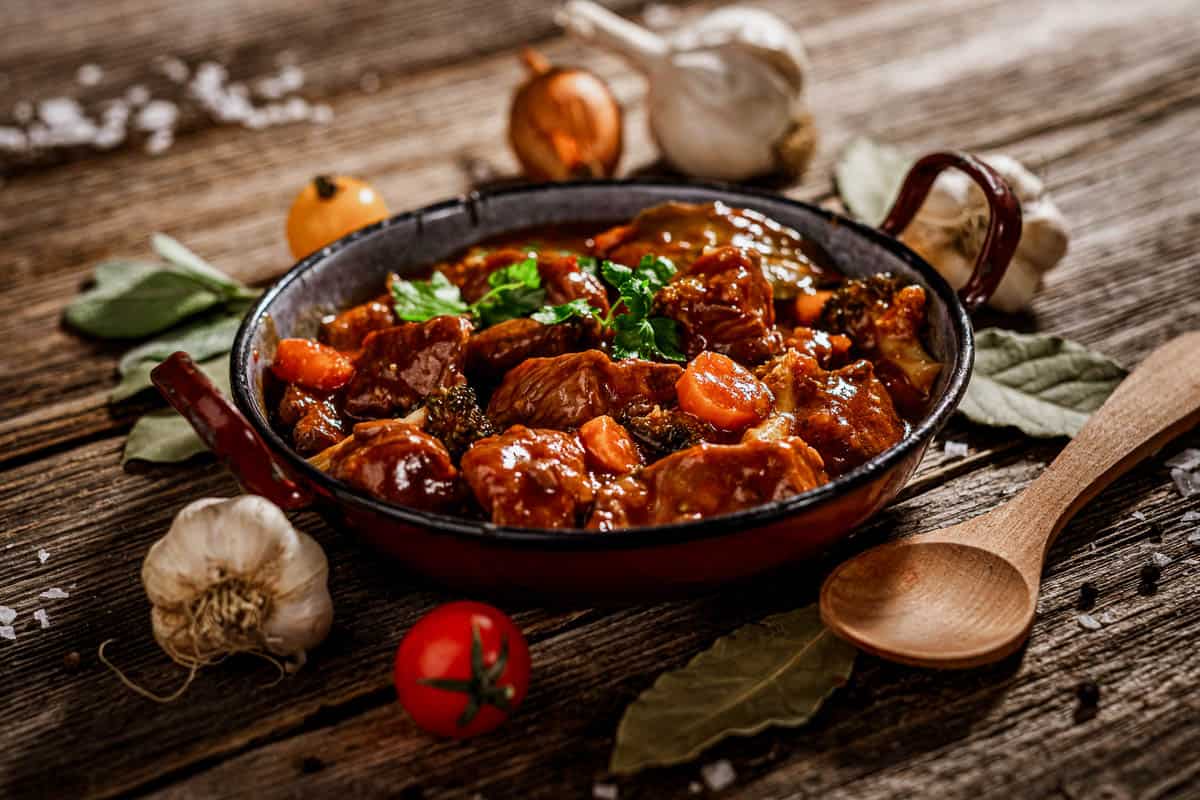
A renowned dish in the Eternal City, coda alla vaccinara is essentially oxtail stew, Roman style. This sublime slow cooked comforting classic is Roman food at its finest, with a complex, rich and hearty flavor that takes the breath away.

Head to Checchino dal 1887 to sample coda alla vaccinara at its most authentic. An old-fashioned Roman restaurant beloved by locals, it is said be the place where the dish originated. You might even get to discover the secret ingredient that makes this dish so divine!

12) Trippa alla romana

Trippa alla Roman is one of Roman cuisine’s most distinguished ‘Quinto Quarto’ dishes – literally ‘fifth quarter’, a reference to the idea that offal can be extremely valuable and overlooked in cooking.

Translating as ‘Roman tripe’, trippa alla romana is typically a Saturday lunchtime dish – you’ll find it served up in many traditional trattorias throughout the city. A simple, humble dish, there are two ingredients that make the flavor really sing – pecorino romano and wild mint.

13) Allesso di Bollito

One of the tastiest traditional dishes to eat in Rome, allesso di bollito is a classic meat dish that consists of simmered beef chunks served in a sublime sandwich. The secret is to soak the freshly baked bread in the meat juices, taking the flavor to a whole new level.

You can learn to cook this and other Roman classics in a small group cooking lesson in Rome. You’ll buy all the ingredients from local markets, chatting with the farmers and vendors about what Roman produce so special. Then you’ll learn from a top local chef about how to cook authentic Roman food.

14) Porchetta

The pride of Rome, Porchetta is a bona fide pork sensation, stuffed with herbs, seasoned with salt, slow roasted and served with a tall frosty one. Head to Bono Bottega Nostrana in the San Pietro district for some knockout Porchetta served alongside seriously tasty street food.

Fancy getting to know the history of this delicious dish? Do your tastebuds a flavor favor and sample some local porchetta as part of a Rome food tour focused on the Trastevere and Campo de Fiori parts of the city. You’ll get some insider knowledge to go with this incredible authentic Roman street food classic.

15) Pollo alla Cacciatora

Known as ‘hunter’s chicken’ to you and me, pollo alla cacciatora is a big, hearty, rustic dish. Traditionally served as peasant food, but nowadays served to anyone with good taste and a healthy appetite, it’s flavored with herbs such as rosemary and sage, as well as garlic, peppers and – the all-important deal clincher – a good quality red wine.

This feels like the kind of dish best served for a long lazy lunch in a cozy Roman restaurant. Try I Buoni Amici Roma, a comfy old-school joint that’s just a stone’s throw from the Colosseum.

16) Saltimbocca alla Romana

Typically served as a second dish following a pasta starter, saltimbocca alla romana consists of thin slices of veal combined with prosciutto and sage, and quickly fried in butter, then finished with a flourish of freshly ground black pepper.

The flavor jumps in your mouth – hence the name ‘saltimbocca’ (literally, jumps in mouth). Best served as part of a three-course feast, with good wine and good company in the center of the Eternal City.

17) Polpette al Sugo

A meatballs dish to die for, polpette al sugo is pure comfort food, Italian style. The sumptuous flavor comes courtesy of a mixture meat (typically beef and pork), herbs, garlic, and mountains of cheese (pecorino romano and parmesan, standard). The meatballs, or polpettes are then slow cooked in a silky tomato sauce for maximum flavor.

Learn how to make pristine polpettes with a private cooking class in a local’s home in Rome. Talk about ‘when in Rome, do as the Romans do’!

18) Filetti di Baccalà Fritti

Little bites of deep fried heaven, filetti di baccalá fritti is a famous Roman street food that you’ll find in many fast food joints in Rome.

It’s essentially simple deep fried battered cod, but the magic comes from the preparation – the cod fillets are soaked for hours beforehand to reduce the salt and tenderize the fish, and the batter is made using local sparkling water for a light, crispy texture.

19) Guazzetto di Pesce

From light and crispy to rich and hearty – guazetto di pesce is a comforting fish stew with big bold flavors and a Roman rustic charm. Traditionally, a mix of monkfish and swordfish is used, along with flavors such as garlic, fresh tomatoes, basil, laurel and white wine.

For the finest of fine dining, head to La Rosetta – one of the best seafood restaurants in Rome, or for something a little more homely, check out the old-world charms of Mamma Angelina. Both serve up proper Roman guazetto di pesce that you won’t forget!

20) Frittura di Paranza

A marvelous medley of seafood and fish, fried to perfection and served with wedges of fresh lemon, frittura di paranza is one of those rough and ready pleasures that make Rome street food so irresistible. ‘Paranza’ is the name of the local trawler fishing boats used to catch the typical ingredients of this dish – anything from mullet and prawns to small squid and sole fish.

If fish floats your boat, don’t miss the wonderful Pesciolino, a lovely little intimate seafood restaurant in the heart of Rome that serves up the best frittura di paranza in town.

21) Aliciotti con l’Indivia

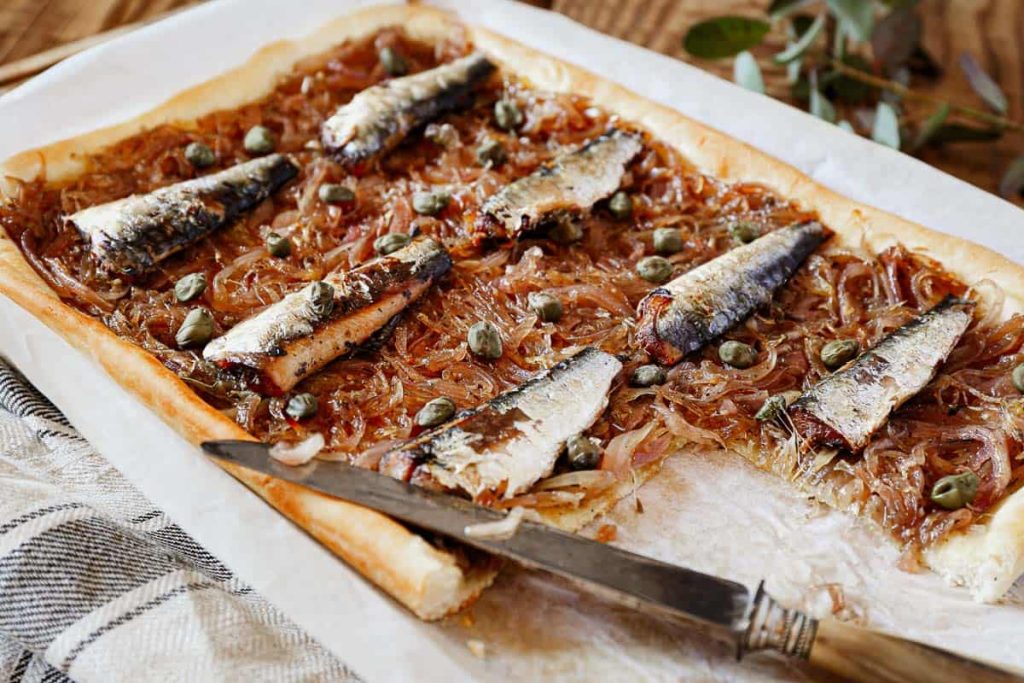
A dish that is the epitome of delicious simplicity, aliciotti con l’indivia consists of just two ingredients – sardines and endives. That’s it! It originated in the Jewish quarter of Rome, back in the 1600s when Roman Jews were only allowed to eat small fish and certain other ingredients, by order of the Pope.

That didn’t stop the Jewish mothers and grandmothers of the time from inventing this stone cold timeless classic which, 400 years later, is still enjoyed throughout the Eternal City.

22) Carciofi alla Romana

One of the finest local vegetarian specialities, carciofi alla romana is a tender and juicy dish that’s best enjoyed between February and April, when romanesco artichokes are in season.

The artichokes are soaked in lemon water to soften them, before being stuffed with a mixture of mint, black pepper and garlic, then tightly packed in a saucepan to steam until tender and delicious. Serve with a chilled white and enjoy on a terazza, as you watch the world go by.

23) Supplì

Rome’s take on the humble Sicilian favorite, arancini, supplí (also known as supplí al telefono) is one of Rome’s most iconic street food dishes. Traditionally, it’s made with rice, tomato sauce and mozzarella, then breaded and deep fried for a truly delicious balance of flavor.

The name is typical of the Roman sense of humor when it comes to naming their most beloved dishes – ‘supplí’ meaning surprise and ‘al telefono’ referring to the fact that, when broken open, the stringy mozzarella between the two halves of the ball makes it look like an old-fashioned telephone.

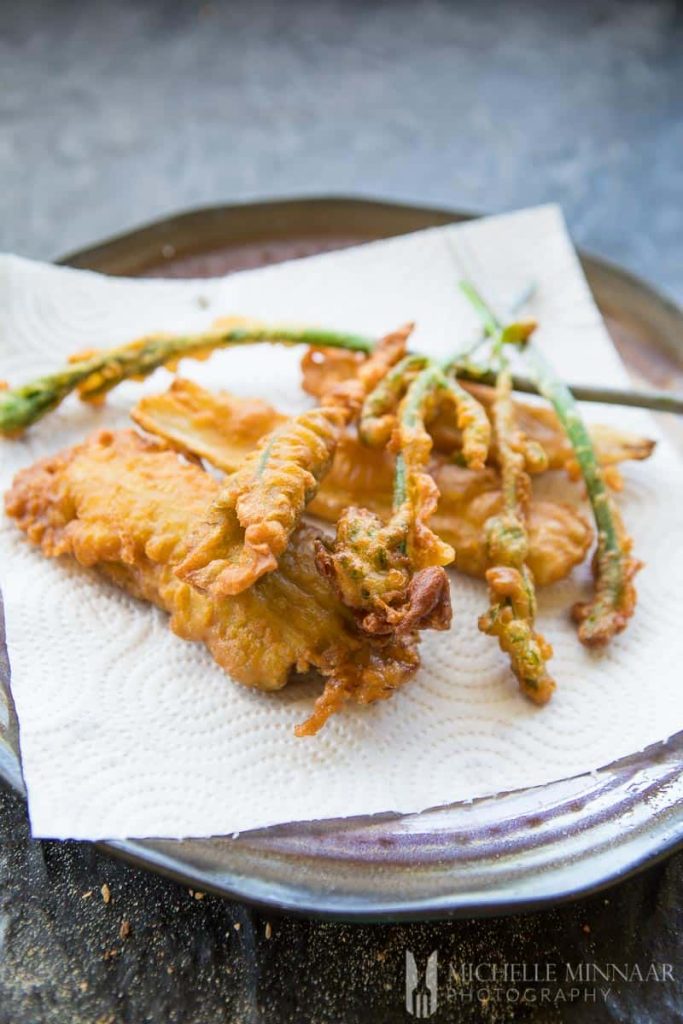
24) Stuffed Zucchini Flowers

Zucchini flowers are plentiful in Rome. They are stuffed with mozzarella or ricotta and then deep fried. On some menus stuffed squash flowers are also available, which I’m yet to try. Pure bliss if you ask me!

25) Caponata

Another Roman twist on a Sicilian classic, this vibrant vegetable stew combines fresh and flavorful ingredients (eggplant, tomato, celery, pepper) for a delicious, versatile dish. Caponata can be served as a main, a side or an antipasto (starter).

It’s sometimes served atop a freshly baked panini or as a calzone filling for the perfect summertime street food.

26) Spinaci alla Romana

A fresh and tasty typical Roman side dish, spinaci alla romana is a mix of seasonal spinach, toasted pine nuts, raisins and extra virgin olive oil. Although you’ll see it served up in trattorias from April until December, it’s a particularly common dish come Christmas time.

27) Concia di Zucchine

Another traditional Roman side dish, this one has its roots firmly in Jewish cuisine. Roman zucchinis, olive oil, mint, parsley and garlic combine for a dish that’s first fried, then baked for maximum flavor.

28) Gelato

The quintessential Roman dessert, gelato is a particularly silky, thick and luscious type of ice creams that Italians go mad for… and little wonder. There are few more delicious delights than slowly savoring a gelato on a summer’s night in Rome.

In fact, gelato originated in Ancient Rome. The story goes that Emperor Nero would have snow imported from Mount Etna and serve it spliced with honey and fruit at decadent banquets. 2,000 years later, at the beginning of the 20th century, the first ever gelaterias appeared… and the rest, is silky sweet history.

Said to be Rome’s oldest ice cream parlour, Giolitti is well worth a visit for those with a sweet tooth and a love of food history. Fancy making your own? Try a Rome gelato class where you’ll get the chance to make three different flavors of the classic Roman dessert.

29) Maritozzi

These sweet doughy whipped cream-filled honey-flavored breads can be found in pastry shops and cafés throughout Rome. If you’re in the mood for a big messy indulgent breakfast, maritozzi is a mid-morning must – and the Italian coffee on the side is practically obligatory.

Another of those iconic Roman foods that comes with an amusing name, maritozzi loosely translates as ‘little husbands’, named after the young men who would give them as marriage proposal gifts to young ladies hundreds of years ago.

30) Tiramisù

The perfect pick me up for those with a taste for chocolate, coffee and cream, tiramisù literally translates as ‘pick me up.’ Making this classic Italian dessert the authentic way is an art form – learn how to make your own with a Rome tiramisù class – and it’s practically ever-present at most good restaurants in the Eternal City.

Made from mascarpone, cocoa powder, strong coffee and, crucially, a good dash of quality cognac or rum, true tiramisù is a decadent delight.

31) Panna Cotta

A sweet, silky delicacy that melts in your mouth, panna cotta is one of the most famous Italian desserts in the world and one that is served in pretty much every restaurant in Rome. The name panna cotta translates as “cooked cream” – the cream is mixed with sugar and brought to the boil, before gelatin is added to give it a blancmange texture.

The panna cotta is left to set in moulds or in a glass, then the top layer is added. Typical flavors include coffee, vanilla or chocolate, but the most common is a delicious fruit glaze.

You can eat the best panna cotta in the world in Rome. The Trattoria Da Cesare al Casaletto, located on the outskirts of the beautiful city park Villa Doria Pamphili serves incredible panna cotta, as does Spirito DiVino.

32) Eggplants galore

Rome offers a variety of eggplant dishes, including Melanzane alla Parmigiana, a baked eggplant and tomato casserole with cheese; Pasta alla Norma, a pasta dish with eggplant, tomatoes, and ricotta cheese; and Caponata, a sweet and sour eggplant relish served as an appetizer. Other options include grilled eggplant and eggplant stuffed with meat or cheese.

33) Carciofi alla Giudia

Carciofi alla Giudia is a traditional Jewish-Roman dish that originated in Rome’s Jewish ghetto. The dish consists of artichokes that are deep-fried until crispy and golden brown, resulting in a delicate and flavorful texture. The artichokes are typically served with a sprinkle of salt and lemon juice and make for a delicious appetizer or side dish.

34) Cherry Crostata

Cherry crostata is a popular dessert in Rome, typically made with a flaky pastry crust and filled with juicy, fresh cherries. The dessert is often served with a dollop of whipped cream or a scoop of vanilla ice cream. It’s a delicious and quintessentially Italian way to end a meal in Rome.

35) Polpo alla Griglia

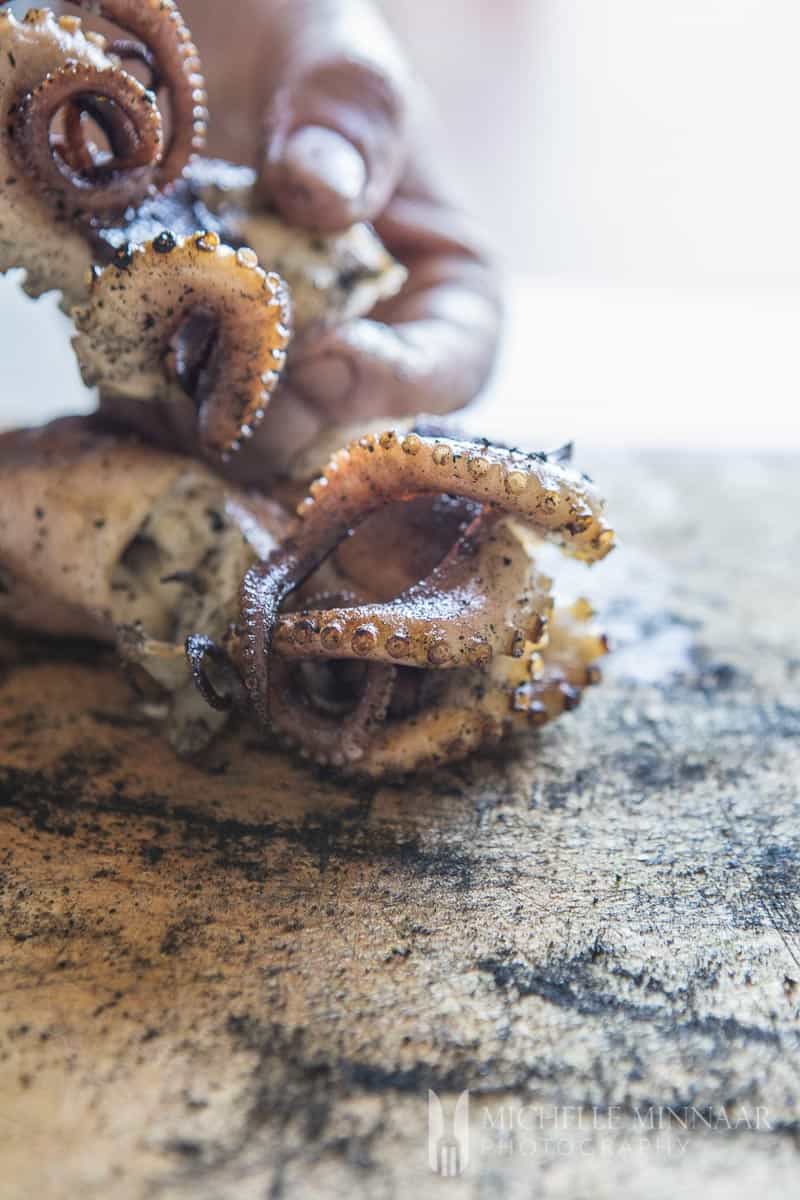
Polpo alla Griglia, or grilled octopus, is a classic dish in Rome’s seafood cuisine. The octopus is marinated in olive oil and lemon, then grilled to tender perfection. It’s typically served with a side of greens or potatoes and makes for a delicious and healthy meal option in the Eternal City.

36) Osso Buco

Osso buco is a classic Milanese dish that can be found in many Roman restaurants. The dish consists of veal shanks braised in a flavorful broth with vegetables, white wine, and tomatoes. The meat becomes incredibly tender and is typically served with a gremolata of lemon zest, garlic, and parsley. It’s a comforting and satisfying meal.

37) Sfogliatelle

Sfogliatelle is a popular Italian pastry that originated in Naples but can be found in many pastry shops in Rome. The pastry is made with flaky layers of dough and filled with a sweet, creamy ricotta filling flavored with cinnamon and candied citrus peel. It’s a delicious treat to enjoy with coffee or tea.

What is the most famous food in Rome?

You could say that Rome is most famous for its holy trinity – pasta, pizza and gelato!

More specifically, Rome’s most renowned dishes are probably two pasta dishes – cacio e pepe, and pasta alla carbonara.

Where can you get the best cacio e pepe in Rome?

There are so many fantastic places that serve up this classic dish, from cozy old world tavernas to modern innovative restaurants.

I recommend the fabulous al42 for the best cacio e pepe in town.

Where can you get the best carbonara in Rome?

If you’re going to eat in Rome, it’s worth doing it right. From the quirky elegance of Mimi e Coco and the humble brilliance of Tonnarello to the homespun charm of Mastrociccia, if you’re a fan of Carbonara you’ll be in utter heaven.

What drink is Rome most famous for?

When the sun goes down in the Eternal City, locals like to toast to good times with the city’s number one cocktail – the Aperol spritz.

This delicious aperitivo is a feisty blend of prosecco, orange bitters and soda water. Sip one as you relax on a terrace in one of the city’s most bustling piazzas, while watching Rome in all its glory.

What food was most popular in ancient Rome?

The ancient Romans took pride in using fresh ingredients to make sensational recipes that have stood the test of time. Fresh seafood such as small fish, mussels, squid and oysters, meat such as cured pork, beef and sausages, and fresh locally grown produce like artichokes, beans, mushrooms and cabbage were all popular.

Of course, the Romans also adored olive oil and wine!

Still not satisfied? Browse the full list of food experiences on Get Your Guide and Viator.

June 30, 2025 Uncategorized

The 22 Best Things To Do In Marseille

France’s oldest city and its second largest, Marseille is a thrilling blend of old school elegance and cosmopolitan cool, with a certain edge that gives it an allure and charm of its own.
I’ve heard it said that Marseille is the French version of Barcelona and, while there are definite similarities – the old world history, the multicultural influence, the incredible food – to compare it to another city doesn’t do it justice.

Simply put, Marseille is unique. Those willing to delve beneath the surface will find a city steeped in culture, with influences from North Africa and Italy, together with the city’s own traditions that stretch back to the time of the Ancient Greeks.

Still, with so much to see and do, where to even begin? Well, to help make your trip all the more memorable, we’ve whipped up a list of the very best things to do in Marseille.

The 22 best things to do in Marseille

There’s something for everyone in this endlessly fascinating city. Whether you’re looking to kick back and relax, break loose and have fun, go deep and get cultural or escape to the great outdoors, our guide to things visiting Marseille has got you covered.

Here’s our favorite things to do in this marvelous Mediterranean city.

1) Step back in time at the Cosquer Méditerranée

An immersive historical experience, the Cosquer Méditerranée works like an interactive museum where visitors learn about one of Europe’s most stunning prehistoric finds. The Cosquer caves were discovered by divers in 1985 and contain cave paintings from over 30,000 years ago.

Although the actual caves are closed to the public – they are in danger of disappearing due to rising sea waters – the museum has created a replica to showcase the incredible importance of the site. As replicas go, it works wonderfully well, perfectly capturing the magic of this historical treasure.

2) Marvel at the Palais Longchamp

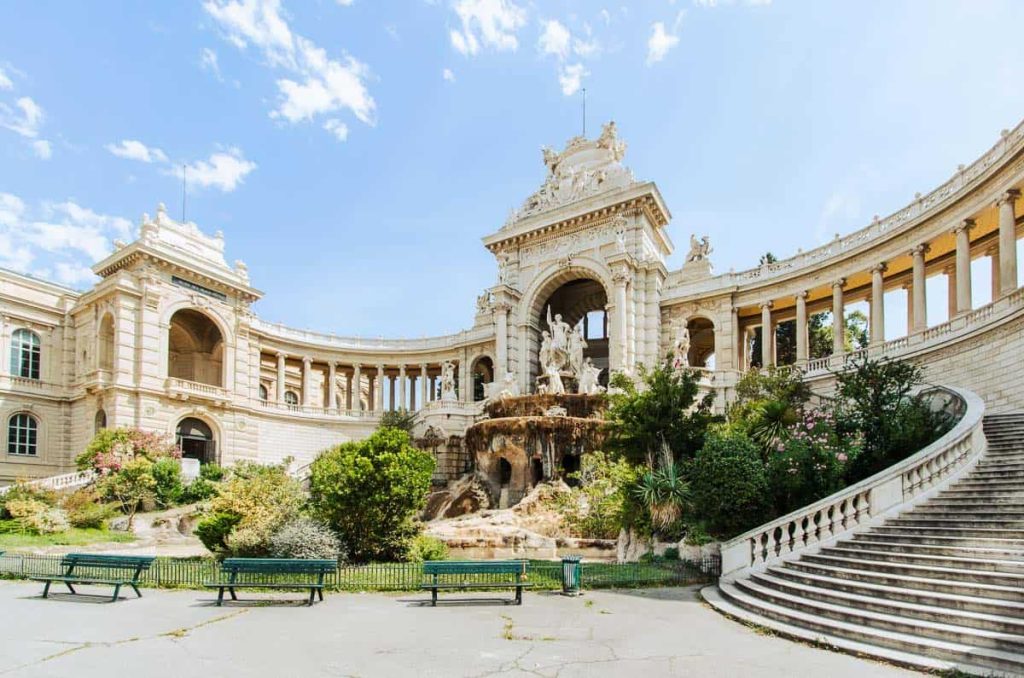
One of the most monumental Marseille attractions, the Palais Longchamp is a large palatial complex that hosts several of the city’s key cultural centers – including the Natural History Museum and the Museum of Fine Arts.

Originally built to celebrate the opening of the Canal de Marseille that provides water to the city, the Palais Longchamp is all sculptures, balustrades and fountains, and the stunning gardens that surround it add to its elegance.

You can explore the Palais Longchamp and learn about its historical significance as part of a city sightseeing tour of Marseille.

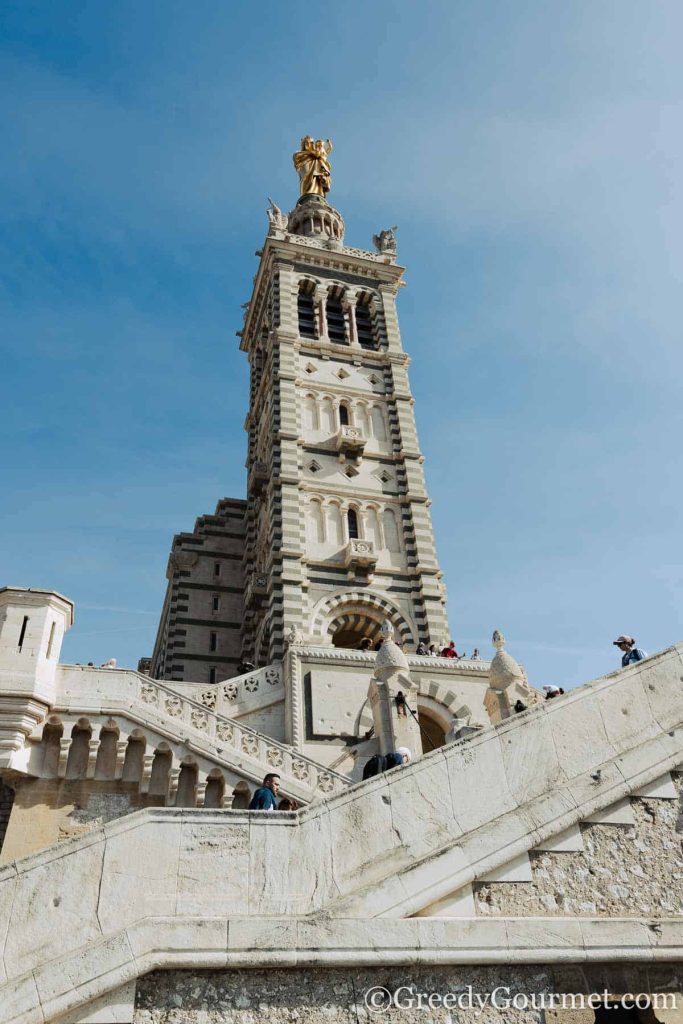
3) See Notre Dame de la Garde

Known to locals as la Bonne Mère (the good mother), Notre-Dame de la Garde is one of the city’s must-see landmarks and perhaps its most symbolic monument. It’s situated on the highest hill in Bordeaux, so prepare for a steep climb. Trust us though… it’s worth it!

Discover the Notre Dame de la Garde as part of a city E-Scooter tour. During your stop off at Marseille’s famous basilica, you’ll be able to make your way to the top of the church to see the famous Virgin Mary statue and take in the breathtaking panoramic view – Marseille’s highest point.

Head up around in the early evening for a spectacular sunset – there’s a tourist train if you can’t stand the steep walk.

4) Explore Fort Saint Jean

Down by le Vieux Port (the Old Port) in the historic old town of Marseille you’ll find the Fort Saint Jean – one of the most visited monuments in Marseille. Entry is free, making it an essential stop off for those wanting to get a deeper understanding of the history of this port city. Built in 1660 by Louis XIV, the Fort is an intriguing blend of history and culture, and within its walls you’ll find the MuCEM – one of the city’s most important museums.

Between the history, the culture and the spectacular views over the harbour of this historic city, the Fort Saint Jean offers a unmissable experience, making it one of Marseille’s most complete tourist attractions.

5) Get arty in le Panier

Marseille brings a counter-cultural style and attitude that’s hard to find in any other city in Europe, a style and attitude that’s most clearly defined in le Panier – the historic district of Marseille.

You’ll get a taste for that wonderful blend of African and French culture that defines modern day Marseille. Multicolored murals, breathtaking street art, poetry dens, streets plays, cute cobblestone streets – you’ll find all these and more in the bohemian soul of Marseille. By day, it’s an offbeat cultural wonderland; by night, it’s the thrilling epicenter of the city’s edgier side.

Discover le Panier via a smartphone audio tour, to get a deeper understanding of its fascinating origins and the cultural impact this area has on the city today.

6) Visit the Cathédrale de la Major

Situated between le Panier and the Joliette area of the city, Marseille’s cathedral – Cathédrale de la Major – is a hugely impressive neo-classical monument, visually stunning both inside and out.

Dazzling mosaics, elegant marble carvings and incredible detailing make the interior a must-see, while the imposing architecture and tranquil Mediterranean Sea view make the exterior all the more mesmerising. The Marseille cathedral is just a few minutes from the Old Port, making it one of the essential things to do for those exploring the Vieux Port and the Old Town part of Marseille.

7) Dive to the depths at Les Calanques

Les Calanques (the coves) is a wild and wonderful rugged coastal terrain that stretches all the way from Marseille 20km eastward towards Cassis. For sheer natural beauty, it’s up there with anything France has to offer, making it an absolute must for anyone with an adventurous spirit and a yearning for the great outdoors.

For those looking to get a little deeper into the natural beauty on the outskirts of Marseille, Les Calanques serves up several memorable experiences, none more so than snorkelling and scuba diving in Calanques park, where you’ll get to explore the crystal clear waters in a cove on the island of Frioul.

8) Take a Mediterranean sunset cruise

A Marseille sunset cruise is one of the most captivating ways to experience the coast of this historic Mediterranean city. Setting sail on a traditional schooner, you’ll get a new appreciation for some of Marseille’s most famous landmarks, sailing past the Notre-Dame de la Garde basilica, Marseille’s cathedral, Fort Saint Jean and other top Marseille attractions, illuminated under the lights of the city and the setting sun.

You’ll be treated to organic, local, seasonal cuisine, as well as a glass or two of rosé as you cruise the crystal clear waters of the Mediterranean, before anchoring in one of the most enchanting coves of the coastline. You might even get the chance to go for a dip and make the evening even more memorable!

9) Get cultural at La Friche

When the city’s largest tobacco factory was finally stubbed out in 1990, an innovative cultural center took its place. La Friche, a maze-like utopian complex that’s open 365 days a year, plays host to everything from concerts and movies to art exhibitions and sports events.

There are kids areas, skate parks, restaurants, gardens, a creche, a bookshop and many other places to explore, making it an essential stop off for anyone interested in the creative side of this magnificent city.

Essentially, La Friche is an emblem of Marseille’s alternative spirit. It’s somewhat of a hidden gem, cherished by locals and somewhat unknown by tourists. So go there with respect and an open mind and you’ll come away with a deeper insight into what makes Marseille such a special place.

10) Escape the hustle and bustle at Parc Borély

Classified by the French Ministry of Culture as one of the ‘Remarkable Gardens of France‘, Parc Borély is a former Château estate, now the city’s largest public park. Elegant trees, beautiful fountains, a botanic garden, manicured lawns and a lakeside cafe make it the perfect place to unwind after a long day of sightseeing.

If you’re looking for a calm oasis in Marseille, somewhere to escape the hustle and bustle of the busy city, a place to have a picnic at lunchtime or as the sun goes down, Parc Borély is as good a place as any.

11) Be charmed by the Vallon des Auffes

A picturesque former fishing village located on the coast of Marseille, Vallon des Auffes is characterized by colorful fisherman’s houses and small fishing boats known as pointus. Nestled between two seaside cliffs, it’s the kind of place that seems frozen in time, evoking another era with its laid back charm and serenity.

In and around the Vallon des Auffes you’ll also find seafood restaurants and a fish market or two, as well as an outdoor swimming area, where locals cools off during the summer months. If you’re looking for a quiet little seaside nook, away from the noise of the city center, this delightful area is well worth a visit.

12) Go snorkeling and scuba diving in the Mediterranean Sea

For those with a taste for adventure and a love of the ocean, there are few more thrilling experiences than snorkeling and scuba diving. If that fits you to a T, take a deep dive and explore Mediterranean marine life around the Calanques National Park coastline with a full-day snorkelling and guided dive.

You’ll spend the morning snorkeling around the park’s sheltered coves, getting up close and personal to the region’s aquatic wildlife, before breaking for lunch. Then you’ll go deeper, learning to scuba dive with expert instruction from an experienced diver, taking home a video of your scuba experience as a keepsake.

13) Hunt for truffles

Want to try something a bit more ‘down to earth?’ Try truffle hunting in Provence! Searching for the elusive black gold, one of the culinary worlds most incredible ingredients, is an excellent alternative experience – particularly for foodies and nature lovers.

You’ll tour spectacular vineyards, walk among olive tree plantations and become immersed in the idyllic Luberon truffle plantation, just 40 minutes from the Aix en Provence TGV train station and an hour from Marseille provence Airport. With guidance from professional truffle hunters, you’ll see how truffle dogs are trained and learn all about the cultivation of this culinary delight.

14) Immerse yourself in street art

When it comes to street art, Marseille is one of Europe’s prime locations. You’ll see the city from a new perspective on a street art walking tour, where you’ll discover the work of some of Europe’s most talented street artists. From frescos and mosaics to murals and stencils, you’ll be blown away by this alternative art form that makes a great counterpoint to the city’s fine arts museum.

You’ll be charmed by the city’s most famous street art district, the Quartier des Créateurs, with its narrow winding streets, boutique shops and colourful façades, as you learn the backstory behind the local creators and artists from a passionate, experienced local guide. For those looking to get to know the real city, a street art tour is up there with the best things to do in Marseille.

15) See the Cite Radieuse Le Corbusier

You know that anything listed as a UNESCO World Heritage Site is worth checking out, and this modernist architectural wonder is no exception. Designed by Le Corbusier, one of the pioneers of modern architecture, Cite Radieuse (radiant city) is a colourful, offbeat building and one of Marseille’s most famous modern landmarks.

Originally designed as a housing complex, Cite Radieuse is now home to contemporary art galleries, restaurants, bars and even an indoor high street. For anyone with even a passing interest in art or architecture, it’s essential.

16) Take a wine tour

A trip to France without wine? Of course not. While in Marseille, you should make a wine tour a priority. I feel like going all out, you can’t get better than an intensive vineyard and fine wine experience in the world famous Château-neuf Du Pape.

You could also spend a day wine and cheese tasting in Aix-en-Provence – sounds like complete heaven, right? Whatever wine tour you choose, going beyond the glass to the grapes and vines to find out how the wines are made is a fascinating experience and it truly is one of the best places in the world to take part in this sensational (in the truest sense of the word) experience.

17) Discover Marseille’s heritage at the MuCEM

The MuCEM, or to give it it’s full title the ‘Museum of Civilizations of Europe and the Mediterranean’ is an epic glimpse into the past of Marseille and the Mediterranean. In fact, it might just be the definitive Mediterranean museum. The MuCEM sheds light on the origin story of the Mediterranean culture and documents how the ancient world gave way to modern day Marseille.

With over 350,000 objects and works of art, the MuCEM is an extraordinary treasure trove and the perfect way to open your mind to the origins of cultures from this part of the world. Visit it as part of a guided tour in Marseille.

18) While away the hours in the Old Port

The Old Port, or Vieux Port, is one of the most blissful parts of Marseille. You can spend hours there, sampling the local delicious cuisine, perusing the local fish markets, people watching from the terrace of a bar or cafe, or simply watching the sun set on this fabulous Mediterranean city.

You could even take a short ferry ride to the remote island of Château d’If, where you’ll see an imposing fortress built in the 15th century to defend Marseille and the French coast from invasion. It’s the stuff of legend and was even used as a prison until 1871. In fact, it serves as the setting for a part of The Count of Monte Cristo.

19) Go sailing to Calanques

Feel the fresh ocean breeze with an invigorating sailing trip to the Calanques. Heading across the Mediterranean sea to the majestic national park, you’ll take in some of the best views of Marseille from the sea.

You’ll also get the chance to learn sailing skills as you sail towards the island of Friuli, where you’ll have the chance to swim, snorkel and learn all about the incredible coves that are scattered along Marseille’s coastal line.

20) Stroll along the Corniche Président John Fitzgerald Kennedy

Discover the enchanting Corniche Président John Fitzgerald Kennedy, a picturesque promenade overlooking the glistening waters of the Mediterranean. With its breathtaking views, serene atmosphere, and charming walkways, this free attraction entices tourists to indulge in a leisurely stroll, capture stunning photographs, and embrace the essence of its coastal beauty.

21) Abbaye Saint Victor: Unveiling Marseille’s Medieval Marvels

Step into the rich history of Marseille at Abbaye Saint Victor, a captivating medieval abbey that beckons tourists with its architectural grandeur and spiritual aura. Explore its ancient crypts, marvel at intricate stone carvings, and soak in the serene ambiance. A must-visit free activity for history buffs and seekers of tranquility.

22) Palais du Pharo: Revealing Marseille’s Coastal Gem

Palais du Pharo, a stunning architectural gem nestled on Marseille’s coastline, entices tourists with its regal charm and panoramic views of the Mediterranean. As a free activity, visitors can wander its beautiful gardens, soak in the breathtaking vistas, and immerse themselves in the allure of this historic palace, offering a memorable experience without breaking the bank.

Best things to do in Marseille FAQs

What is Marseille best known for?

Marseille is best known as being a vibrant, multicultural city, blending French and African culture. The city has long traditions and a rich history, particularly in the Old Port. This history sits in balance to the modern, offbeat charm of the city. As well as having plenty of museums and art galleries, Marseille is one of the best cities in Europe for street art.

It’s position in southern France on the Mediterranean coast and close to north Africa gives it a unique culture, in terms of art – both traditional and street art – as well as cuisine. Marseille’s most famous dish is Bouillabaisse – a deliciously rich fish stew.

Is Marseille tourist friendly?

Generally, yes… Marseille is a tourist friendly city, with 10 million people visiting Marseille every year. However, like most large cities, you definitely have to keep your wits about you when traveling around Marseille.

Pickpocketing is a problem in certain areas of the city, particularly on public transport and in crowded places. So, always be aware of your valuables and, at night, travel in well-illuminated places.

Locals in Marseille are friendly towards visitors, particularly those who show an interest in local customs and are respectful to the culture. Learn a few words of French before you go – although the level of English in Marseille is generally good, the locals will appreciate the effort of trying to communicate in French.

What is there to do in Marseille at night?

If you fancy a quiet evening stroll, wander around the Old Port (Vieux Port). It’s beautiful at night, particularly in summer, when the twinkling lights reflecting off the sea and the warm breeze make it incredibly romantic.

Le Panier is also a great place to be as the sun sets. The bohemian side of town is full of cool wine bars and is generally abuzz in the evening. There are also plenty of live music bars in Marseille, from jazz clubs to rock and roll pubs and everything in between.

If you fancy a really classy after dinner activity, go for a night at the Opera Municipal de Marseille. It’s one of the largest and oldest opera houses in France and has a fantastic all-year round program.

Is Marseille cheap?

While it’s not as expensive as France’s capital Paris, Marseille is definitely not cheap for the average traveler compared to most European cities.

Expect to pay around €14 ($15) for an inexpensive meal in a restaurant in Marseille and around €7 ($7.50) for a mid-range bottle of wine, while the average hotel price for a double room in Marseille is €112 ($121) per night.

The great thing about Marseille is that there’s so much to see and do without spending a cent! The city has so much beauty to it, not to mention the natural surroundings on the outskirts of the city, that there’s plenty to do for those on a budget.

Plus, when you compare Marseille with major cities in the U.S., it’s extremely afforable!

Are museums free in Marseille?

Most of the city’s best museums are free to enter on the first Sunday of every month. These include the Natural History Museum and the Musée des Beaux-Arts.

Is Marseille a walkable city?

Yes! One of the great things about this city is that the best things to do in Marseille are best explored on foot. The most interesting neighborhoods – Le Panier and Vieux Port for instance – consist of beautiful narrow streets that reward those who like to stroll along and take it all in!

How many days do you need in Marseille?

You’ll need at least 2-3 days to see the best that the city has to offer. For those staying up to a week, I highly recommend you travel further afield – whether towards the Calanques National Park or out into the wine region of Provence. The surrounding areas of Marseille are extremely beautiful.

Is Marseille worth visiting?

Absolutely! Marseille has so much to offer. Culturally, it has a fascinating blend of old world traditions and modern expressionism. The food is fantastic and the people, for the most part, are warm and friendly.

Plus it’s a visually stunning place, both within the city and on the outskirts. Go ahead and book your trip… you won’t regret it!

June 30, 2025 Uncategorized

24 Best Foods to Try in Marseille

France’s oldest city, Marseille, is a marvelous mix of cultures, with diverse cuisines that make it an essential destination for traveling foodies. From sumptuous seafood dishes and inventive street food to sweet delights served in style and inventive craft cocktails, there’s such a diverse range of foods to try in Marseille.

With gastronomic influences that blend traditional Mediterranean and inventive southern French dishes with Spanish, North African, and Italian, there’s so much to discover in the city they call ‘La Cité Phocéene.’

So, where to start? Well, there are plenty of things to do in Marseille and you will build quite a big appetite. If you have an open mind and a big appetite, here are the best local delicacies you must try.

Best foods to try in Marseille

Seafood and meat dishes

1. Bouillabaisse

The undisputed classic Marseille dish, bouillabaisse, is a big hearty fish soup or fish stew with a tradition that goes back centuries. It typically contains wide different varieties of fresh fish, together with tomato, saffron, chili, and garlic, as well as multiple herbs and spices.

The city’s fragrant fish soup is usually served in two courses: tomato and saffron, with croutons and shredded cheese. Next, the fresh fish poached in the stew is served, along with an extra helping of the rich soup to bring a different flavor.

Bouillabaisse is served up at most good seafood restaurants and local restaurants. You could dive deeper into Marseille’s classic seafood soup and other delicious local dishes with a Marseille food tour.

2. Poutargue

Known as the “Mediterranean caviar”, poutargue (sometimes called bottarga or boutargue) is a southern French delicacy that’s proved quite divisive with those trying it. Made from salted and dried mullet eggs, the taste is very strong – salty, a little bitter, and with undertones of almond.

It’s typically served grated over pasta or on bread with a squeeze of lemon juice. This is one to try for those with a taste for umami flavors, especially anchovy. Those who like it like it! Restaurants such as Le Petit Port and Le Comptoir de Becca serve fantastic versions of poutargue.

3. Bourride

A fresh white fish and seafood dish similar to bouillabaisse, bourride is a celebration of all the best ingredients from the region – fresh white fish, sumptuous seafood, lemon, garlic, and extra virgin olive oil.

Adding aioli – the delicious garlic sauce that’s typical in Mediterranean cuisines – gives bourride a divine creamy richness. If you see bourride on a lunch menu in Marseille, do your tastebuds a flavor favor and order it… it’s just incredible!

Head to Restaurant Michel – an old-school seafront fish restaurant – for the best bourride in town. Learn about the dish on a five-stop Marseille walking food tour.
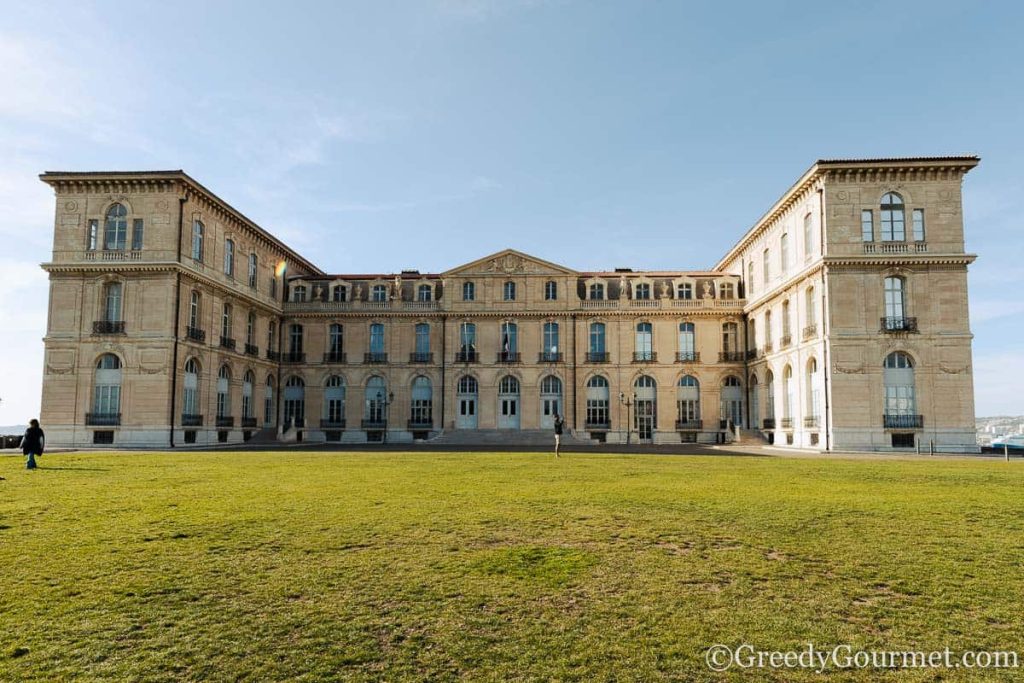
4. La soupe au pistou

Another famous soup, this one, is on the lighter side. Pistou soup is a summer essential, tailor-made to refresh the senses in the summer. Its critical ingredient is pistou – the French pesto version made from garlic, olive oil, and basil.

Fresh summer vegetables such as tomatoes, zucchinis, and green and white beans are slowly simmered, along with pasta and the pistou, to create a delicious, invigorating broth. It’s the perfect summer soup to eat in Marseille.

5. L’Oursins

Fresh sea urchins

A winter tradition since the 1960s, eating sea urchins or ‘oursins‘ has become one of the favorite festive feasts for locals throughout southern France. In fact, ‘Oursinades,’ as the events are known, is now an annual tradition taking place every January and February.

Typically, oursinades take place at a venue overlooking the glorious Mediterranean Sea – often on a terrace or even on a beach. Sometimes, locals perch on rocks with feet dangling in the sea while eating them. Who needs a dining room? The closer to the sea you are, the better!

Take a cruise around the Calanques in winter and, chances are, oursins will be on the lunch menu.

6. Les supions

Fresh squid on wooden board close up shoot

Another classic seafood dish that you can eat in Marseille, supions is dish that consists of succulent fried baby squid that can be served with garlic, with a sauce or simply with a drizzle of olive oil or a squeeze of lemon juice.

7. Sardines

If you’re a fan of fish, sardines are a must when visiting Marseille, particularly in the summer. Locals marinate them in olive oil and herbs de Provence to make them even more irresistible. Head to the Old Port for the best seafood restaurants and enjoy a dinner menu consisting of the best sardines in the city.

8. Pieds et Paquets

Too many, it’s a dish too far. To other meat-eaters with an open mind and a philosophy of using every part of the animal, it’s a dish with soul that’s right up there with Marseille’s best culinary offerings.

Pieds et paquets consists of lamb offal (belly and trotters) stuffed with salted pork, garlic, and parsley, then slowly simmered in a white wine, tomato, and provencal herb sauce.

The recipe is said to go back over 2,500 years to the very founding of Marseille. For many, it’s the traditional Marseille dish. If you can get past the idea of eating lamb trotters, you’ll be in absolute heaven… the taste is out of this world. Head to Chez Nous and get the best pieds et paquets in Marseille.

9. Daube provençal

Meat stew with vegetable on rustic wooden background

A local food favorite best enjoyed in the colder months, daube is a stew of beef or mutton flavored with local wine to give it real character. The fireside traditionally stews it in a Provençal terracotta cooking pot called a daubière.

The stew is braised in red wine, seasonal vegetables, and the famous provençal herbs, oregano, summer savory – a mix of thyme and rosemary. Head to Le Bouchon Provençal for the most comforting daube in the whole of Marseille!

10. Daube de poulpe

If you’re looking for a different stew, this might suit you. Daube de poulpe, known as octopus stew, is a hearty seafood classic. The octopus is slow-cooked in wine, with the standard Provençal classic ingredients such as garlic, tomato, star anise, dried orange peel, and olive oil.

Served with pasta or potatoes, it’s the kind of dish that feels like a warm hug. Pair it with a classic Marseille wine – and don’t forget to find out all about Marseille wine and food pairings through a Marseille food and wine tour.

Breaded dishes

11. Pizza

Ask any Marseillais, “What’s the most iconic dish in Marseille?” you might be surprised by the answer. Many will say bouillabaisse, of course, but others will point to a dish that’s much more associated with Italy… pizza.

Yes, believe it or not, pizza-making in Marseille has traditions that go a long way. Marseille claims to have invented the wood-fired pizza oven and has been whipping up their version of the worldwide favorite long before the Italians. However, the popularity of pizza took off when the first Italian immigrants arrived in Marseille in the late 18th century.

Nowadays, Marseille is known as the pizza truck capital of France. Some incredible pizza trucks in Marseille sell street food at its finest. Even Michelin-star chefs are getting in on the act! So, when in Marseille, take advantage of it.

12. Pissaladière

A baked dish similar to pizza, pissaladière is a baked flatbread with various toppings that include black olives, caramelized onions, and anchovies. It’s like a delicious onion tart, served up pizza-style, often on a brief lunch menu during summer.

Sweet dishes

13. La pompe à huile

La pompe à huile translates as ‘the oil pump’ in English, but trust me… this dessert is far more appealing than its name suggests! It’s a traditional provençal pancake made from sourdough and flavored with orange blossom and lemon zest.

Traditionally, la pompe à huile is served on Christmas Eve. If you’re in Marseille around the time of the holiday season, you’re sure to be able to find it at a local bakery.

14. Le Colombier

Le Colombier is an old-fashioned traditional French cake. It was created at the end of the 19th century and continues to be enjoyed by locals today. It’s a cake that brings luck, which is typical of the Provence region.

Le Colombier is made from almond and melon, flavored with Kirsch (a cherry liqueur). When it’s homemade, a dove-shaped bean is usually hidden inside the cake, and the person who ends up with the dove-shaped bean is supposed to get married within the year.

You’ll be able to find this special sweet delicacy in good bakeries in Marseille.

15. Navettes

Translating into English as ‘shuttles,’ navettes are long, thin pastries made with flour, sugar, egg, butter, and orange blossom water. They are popular during the holiday season and can be found in most bakeries in and around Marseille.

For the most authentic version, visit the oldest bakery in Marseille, Le Four des Navettes – rumor has it, this is the bakery that invented navettes. The recipe is a closely guarded secret. When you taste this incredible pastry, you’ll see why!

16. Chichi Frégi

A sweet spiral-shaped fritter similar to a doughnut in taste, chichi frégi is a street food sensation and a must-try for those with a sweet tooth. For anyone who knows a thing or two about Spanish street food, they are very similar to churros. Much like the doughy Spanish sweet, they are often dipped in chocolate for maximum effect!

When done correctly, chichi frégi is deep-fried and flavored with orange blossom – it’s absolutely delicious! Head to the Estaque district in northern Marseille for the best chichi frégi – Chez Magali is as good as it gets!

Appetizers and sides

17. Panisse

Close-up of a chef’s hands collecting freshly cut panisse for dinner service.

Forget about French fries… taste chickpea delicacies like panisse, and you’ll realize just how inventive Marseille cuisine can be! These deep-fried delights are of Italian origin. Crispy on the outside and creamy on the inside, pannise is the perfect appetiser or finger food and can be served with any dipping sauce.

18. Le grand Aïoli provençal

Aioli is a thick, mayonnaise-like sauce made with garlic and olive oil. It is also a dish in its own right, accompanied by cod and vegetables.

19. La tapenade and l’anchoïade

Black olive and tapenade

Rich savory spreads are very popular in Marseille, acting as an essential element to a good aperitif – a starter dish that tingles the tastebuds in preparation for the main event. Two of the most traditional are la tapenade – made from black olives – and l’anchoïade – made from anchovies, capers, olive oil, and garlic.

Seasonal vegetables usually accompany these richly delicious dips served raw. Enjoy a delicious olive tapenade or anchoïade at a local restaurant or buy them from a local grocery store or supermarket, buy some fresh veg, and enjoy a picnic in the park!

20. Brousse du Rove

Fresh goat cheese in rustic style

A soft creamy cheese made from fresh goat milk, Brousse du Rove comes in cone-shaped plastic containers and is served in markets and cheese shops throughout Marseille. It’s delicious when paired with sweet ingredients like honey, berries or figs, or with a drizzle of olive oil or with an omelet.

21. Charcuterie

Corsican history in Marseille has had a big influence on its cuisine and one of the biggest examples is charcuterie. Franchais is a cold cut store near the Old Port part of the city and offers authentic homemade platters that tingle the tastebuds.

22. Couscous

The influence of North African cuisine in Marseille, especially Algerian and Moroccan dishes, is clear throughout the city. So much so that couscous can certainly be considered as a typical dish that visitors should try when in Marseille.

Served with any spicy hearty dish – think roasted lamb, chicken, meatballs or roasted vegetables – the best couscous in Marseille can be found in the Noailles neighborhood in Marseille, where there’s an abundance of quality Tunisian and Moroccan restaurants.

Drinks

24. Pastis

POZNAN, POL – AUG 8, 2018: Bottles of two famous pastis liqueurs: Ricard and Pastis, anise and licorice-flavored aperitifs.

The favorite tipple of locals in Marseille, pastis is flavored with anise and liquorice, with an alcohol content of 45% – any more or less and it can’t officially be known as “pastis de Marseille.”

Essentially, the unofficial summer drink of Marseille, pastis, is golden brown on its own. Add a splash of water, which takes on a cloudy yellow appearance. You’ll see locals enjoying highball glasses of pastis on terraces in Marseille throughout the summer months. It’s refreshing, packs a punch, and is delicious!
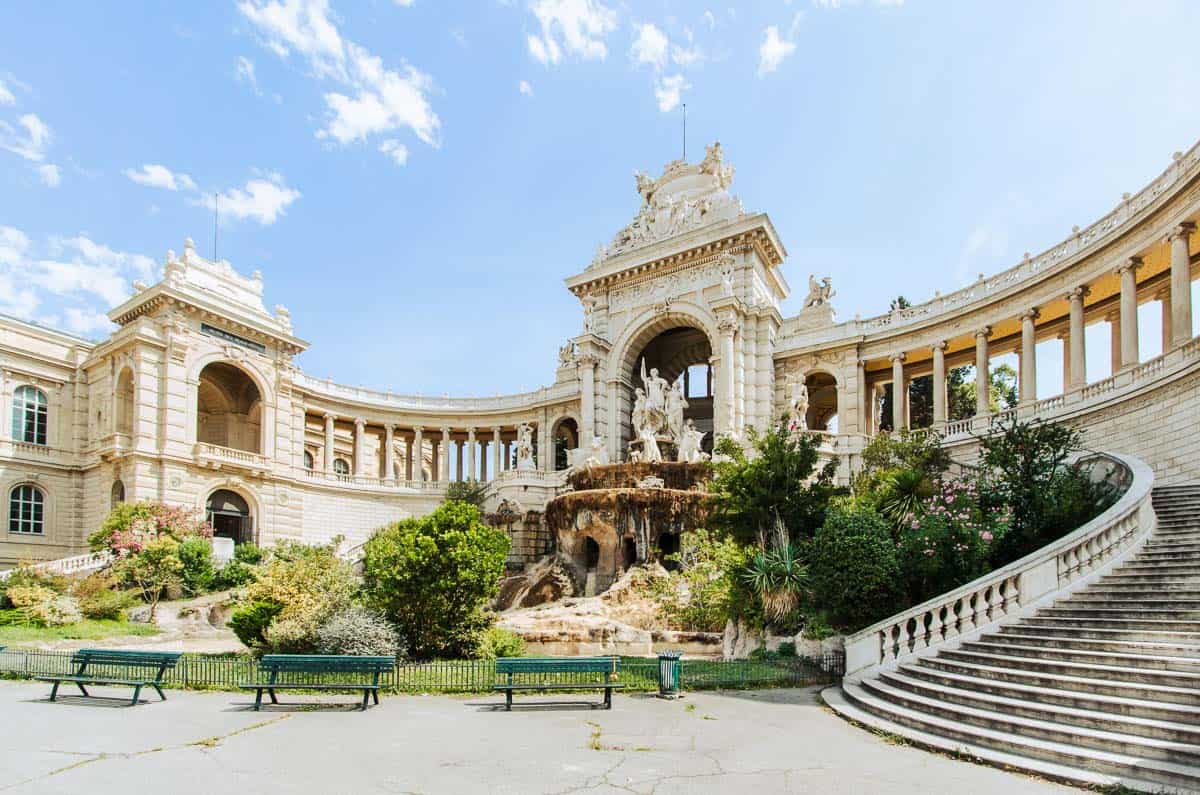
Enjoy authentic pastis as part of a Marseille walking tour and learn how its made and why the locals go crazy for it!

24. Picon

A local favorite orange liqueur with an explosive taste, Picon was invented by a soldier from Marseille named Gaétan Picon in 1932. Its unique taste, a blend of neutral alcohol, syrup, herbs, orange zest, cinchona bark, and gentian root, has stood the test of time. It’s very bittersweet – watering it down a little is standard, or you can mix it with beer.

What is Marseille cuisine?

As it’s located on the Mediterranean coast, Marseille’s cuisine is focused on fresh fish and seafood. Many of the typical dishes from Marseille use white fish and seasonings such as saffron, garlic, olive oil, and lemon.
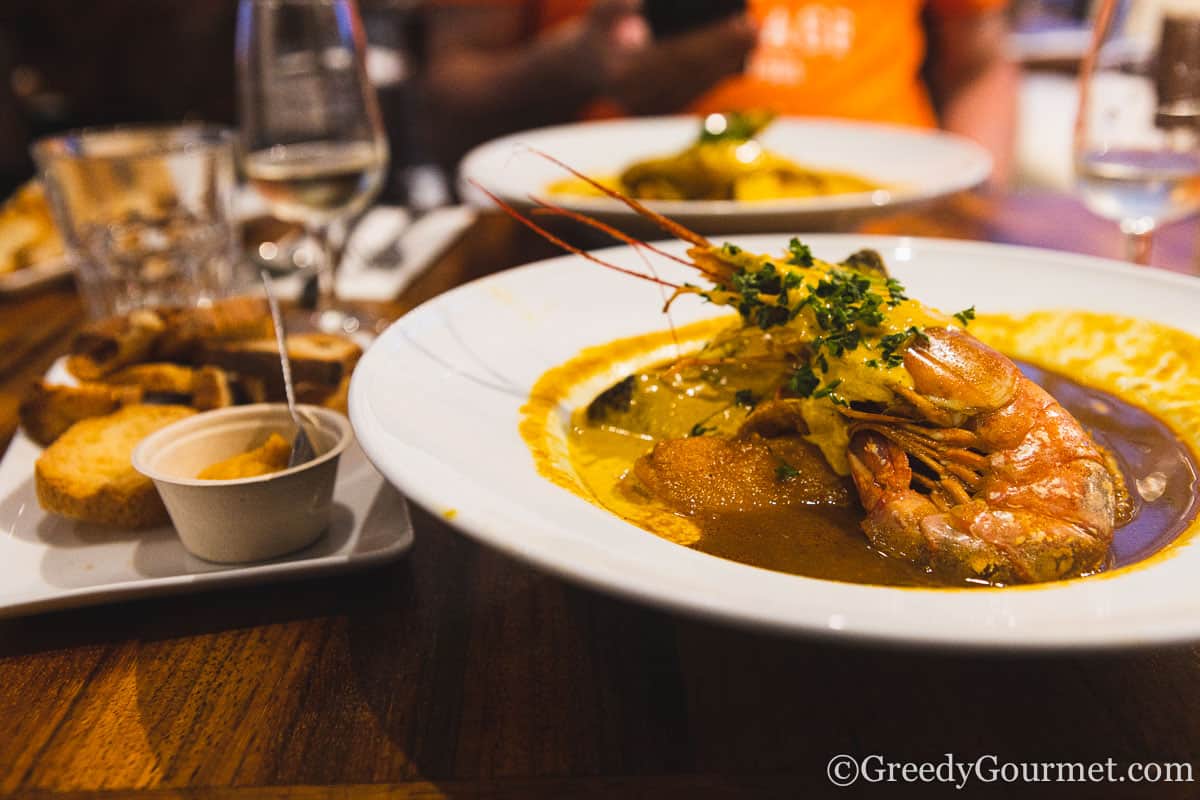
Marseille cuisine is hearty, rich, and fresh tasting. Beyond seafood, there are many delicious meat dishes such as stews, braised dishes, and roasted slow-cooked comfort dishes. Other cultures, including Italian, Tunisian, Moroccan, and Spanish cuisine, also have a significant influence.
What food is Marseille most famous for?

Bouillabaisse. The hearty fish soup is known worldwide, although many haven’t tried authentic bouillabaisse from Marseille.

When served right, bouillabaisse is a beautiful experience. It’s served over two courses: the first, the deep, rich soup in which the fish is poached; the second, the poached white fish, with a little of the soup spooned on top.

Where is the best place to eat fish soup in Marseille?

Head to the Old Port for the best bouillabaisse in Marseille. There are many excellent fish and seafood restaurants in this part of town, each with their twist on this traditional Marseille dish.

Nestou Restaurant is friendly, welcoming, and very affordable. You could also head out of the city to the Grand Bar des Goudes for a unique, authentic bouillabaisse in a restaurant with scenic views overlooking the harbor.

What time do people eat dinner in Marseille?

Much like in Spain, people in Marseille eat quite late – typically between 7:30pm and 11pm.

Eating late’s standard practice and keeping with the Mediterranean lifestyle, particularly in summer when the days are longer. So, don’t expect restaurants to be open and serve dinner any earlier than 7:30pm or, in some cases, 8pm.

Is Marseille, France cheap?

While it’s not as expensive as Paris or many other major European cities, Marseille isn’t a bargain destination. Many fine dining restaurants cost over €100 per head.

That said, there are plenty of cheaper options in town, particularly when it comes to street food. All in all, delicious food is available at an affordable price. Even the most iconic dishes can be enjoyed on a budget.

June 30, 2025 Uncategorized

15 Best Things To Do in Bristol

With its rich history, strong countercultural scene and wonderful gastronomy, Bristol is truly one of the most enticing cities in the U.K.

Located in south west England, Bristol was once a major port city and a starting place for voyages to explore the new world. Nowadays, its identity is firmly fixed on creativity and experimentation, with a vibrant art, music and culinary scene. This blend of history and modernity gives it a unique edge and makes it a fascinating city – both to live in and to visit.

Best things to do in Bristol 

Whether you’re flying solo, travelling in a group or a couple on a romantic break, there are a tonne of amazing Bristol attractions to visit and fun things to do in Bristol, from historical treasures and incredible cultural landmarks to modern galleries showcasing groundbreaking works of art.

Here’s our pick of the very best things to do and places to see in Bristol.

1. Get cultural at the Bristol Museum and Art Gallery

The undisputed must-visit location when it comes to Bristol museums, the main city centre museum and art gallery in Park Street is a fascinating glimpse into the rich history and culture of the region – simply put… visit Bristol and this should be top of your list.

This year sees the Bristol Museum and Art Gallery celebrate its 200th year, over which time it has amassed an incredible collection of world class art, archaeology, Egyptology and natural history, all within a magnificent setting that spans 19 galleries over 3 distinct floors.

Aside from the permanent exhibitions, the museum and art gallery also hosts an array of dynamic exhibitions and cultural events throughout the year. With the city’s fascinating history, the museum is uniquely placed to explore the story of British invention and creativity, as well as the country’s changing society over 100s of years. The Bristol Museum and Art Gallery is open 10am–5pm, Tuesday to Sunday. Entry is free.

Address: Queens Rd, Clifton, Bristol BS8 1RL, United Kingdom

2. Explore Bristol Cathedral

Located on College Green in the West End of the city, Bristol Cathedral is one of England’s great medieval churches and is truly monumental. From the spectacular stained-glass windows to the awe-inspiring medieval architecture, there’s so much to be impressed by at this incredible cathedral. Whether or not you’re religious, it’s a wonderful place to visit.

It’s said to be one of the best examples of a medieval church hall – the high vaulted ceilings, the symmetry of the design – and was described by famous architectural historian Nikolaus Pevsner as ‘superior to anything else built in England and indeed in Europe at the same time’. Part of the famous parish church has stood for over 1,000 years, although it was properly established as a cathedral in the 12th century.

Don’t miss the beautiful gardens and make sure you follow their What’s On page – they stage spectacular light shows and fascinating events from time to time. The breathtakingly beautiful Bristol Cathedral is completely free to visit and is open all year round.

Address: College Green, Bristol BS1 5TJ, United Kingdom

3. Take in the view from Clifton Suspension Bridge

Probably Bristol’s most well-known landmark, Clifton Suspension Bridge is more than a bridge – it’s an internationally recognised symbol of the city. The project to create a landmark bridge to link Clifton in Bristol to Leigh Woods in North Somerset started in 1829, when an ambitious young engineer by the name of Isambard Kingdom Brunel won the contract.

Brunel was restricted by budget cuts and died before the bridge could be completed. When it was eventually opened in 1864, the bridge was completed as a tribute to his work, and Brunel would go on to become one of the most respected engineers in British history.

Along the bridge there are plenty of places to stop and admire the incredible view across the River Avon and Avon Gorge. There’s also plenty of information points, so you can discover the details of this fascinating feat of engineering and its place in Bristol’s history. You can even take a guided tour of the Clifton Suspension Bridge – the ideal way to experience this landmark.

Address: Bristol BS3 2JX, United Kingdom 

4. Check out Clifton Village and Whiteladies Road

A little picture-postcard delight of an area, Clifton Village and Whiteladies Road is quintessentially English. It’s what visitors to England imagine the whole country to be – picturesque passageways lined with quaint little cafes, and antique shops, secret gardens and winding walks.

Among the Victorian, Georgian and Regency era architecture, you’ll also find traditional sweet shops, jewellers, pottery stores and gift shops, all selling artisanal handmade products.

If you’re looking for a place to find the perfect Bristol memento, Clifton Village and Whiteladies Road is undoubtedly the spot of Bristol then there are lots of gift shops selling quirky west-country inspired items.

5. Take in the views from the Clifton Observatory

The final entry of the Clifton trio, the Clifton Observatory is a historic 16th century windmill, located just next to the Clifton Suspension Bridge, complete with an observation tower and 360 degree cafe for incredible views of Bristol and the surrounding area. The view from the top is incredible. Come at sunset hour and it’s even better!

Inside the actual observatory, you’ll find a museum with lots of historical facts and interesting historical nuggets. There’s a Victorian ‘Camera Obscura’ which is still working after 200 years and, not forgetting the Giant’s Cave.

A 200 foot narrow tunnel opens up to the cave, which offers breathtaking views over the Avon Gorge, as well as a unique perspective over the nearby suspension bridge.

Address: Litfield Place, Clifton, Bristol BS8 3LT, United Kingdom

6. Take a street art tour

From Banksy’s legendary Well Hung Lover to the constantly changing vibrant art of Stokes Croft, Bristol’s street art scene is one of the best in Europe. If you’re into the street art scene, you’ll be in absolute heaven. If you’re not, get ready to have your eyes opened and your breath taken away.

There are some incredible works of art throughout Bristol’s streets – on the side of major buildings, in subways, alleyways, bridges – you name it. Many of the city’s surfaces act as an open art gallery for some of the most talented street artists around, and the ongoing battle between the council and the street art scene is a fascinating subject in itself. Despite the best efforts of some, street art has embedded itself in the culture of this unique city.

Take a walking tour of Bristol and check some original Banksy graffiti art, together with some important cultural and historical landmarks around the city. Also, don’t forget that Bristol is home to Europe’s biggest street art and graffiti festival – Upfest, held most years in south Bristol, although on hiatus until 2024.

7. Step back in time at the SS Great Britain

Another one of the impressive designs from the city’s legendary engineer – Isambard Kingdom Brunel – the SS Great Britain showcases the industrial might and the entrepreneurial spirit of Britain and, in particular, Bristol in the 19th century.

Step onboard this restored and reconstructed steamship and it’s impossible not to be swept away by the sheer grandeur, both of the surroundings and the history of the ship. It’s also an immersive experience – you’ll be transported to another era with the sounds and smells that sailors would have experienced at the time.

It’s not just a marvel of maritime history, however. In line with the true creative spirit of the city, the SS Great Britain is also the city’s most unique gig location, showcasing live music and summer barbecues with the Summer Late Series. You can also step into the shoes of a Victorian sailor and climb the rigging for a breathtaking view of Bristol, and even take part in a murder mystery evening! Tickets for a standard visit are from £13 and are available here. Trust me… it’s well worth the price!

Address: Great Western Dockyard, Gas Ferry Rd, Bristol BS1 6TY, United Kingdom

8. Take a tour of St Nicholas’ Market and Air Raid Shelter

The best way to appreciate Bristol is to get a deeper understanding of the history of its people. This tour of the St Nicholas’ Market area gives you a glimpse into the past, including fascinating stories about the lives of the people of Bristol during WW2.

You’ll explore the historic buildings of the old town and take in the sights as you learn about Bristol’s booming days as a 19th century trading post, explore the air raid shelters where people took refuge during the Second World War, find out about the city’s cultural shift during the swinging ’60s and take in the city’s sights from rooftop vistas.

An up close and personal insight into the city’s past. Highly recommended!

Address: The Corn Exchange, Corn St, Bristol BS1 1JQ, United Kingdom

9. Catch a comedy and magic show

Nothing livens up the spirits like a good dose of magic and laughter. Bristol’s Smoke & Mirrors pub is renowned for its amazing comedy and magic shows, making The House Magician’s Comedy & Magic Show a must-see event for anyone wanting to look on the lighter side of life during their trip to Bristol.

A typically Bristolian blend of off-the-wall adult humour and brilliantly inventive, artful magic, this alternative entertainment offering is held in an intimate venue, giving it an extra personal touch. Hilarious and mesmerising in equal measure, it’s the perfect way to kickstart an evening out in Bristol.

Address: 8 Denmark St, Bristol BS1 5DQ, United Kingdom

10. Take in the beauty of the Red Lodge Museum

Credit: www.visitbristol.co.uk

A stunning historic Elizabethan house made up of oak panel walls and ornate furniture, the Red Lodge Museum was built in 1580 and has been kept in excellent condition. It’s a small space, especially compared to some of the other tourist attractions in Bristol, but is somewhat of a hidden gem.

It certainly provides a fascinating glimpse into the city’s history and offers plenty for fans of architecture and interior design. Plus, it’s completely free! A bonus for those travelling to Bristol on a budget.

Address: Park Row, Bristol BS1 5LJ, United Kingdom

11. Become immersed at Wake the Tiger

Credit: www.visitbristol.co.uk

A truly unique experience, Wake the Tiger is a portal to a different world. It’s advertised as an ‘amazement park’ and it’s easy to see why – there’s so much to be blown away by. The lights, the colours, the shapes, the sounds. The tiny little details that you discover if you’re willing to explore. Wake the Tiger pure escapism at its best, and a must visit attraction for anyone visiting Bristol.

It’s essentially a self-guided experience in which you navigate your way through 27 different art installations, each with themes such as discovery, inspiration, adventure and alchemy. Like an interactive Alice in Wonderland for the 21st century, your mind will be blown and boggled as you move through different worlds and scenes, interacting with various actors as you pass through. It really is one of the most fun activities in Bristol!

A great alternative to common attractions such as the Bristol Aquarium, the Bristol Hippodrome or adventure golf, Wake the Tiger is also affordable – Adult entry is only £15 and they even run special events from time to time – be sure to keep in the loop on the events section of their website.

Address: Wake The Tiger, 127 Albert Rd, Bristol BS2 0YA, United Kingdom 

12. Enjoy the open spaces of Ashton Court

Credit: www.visitbristol.co.uk

Like every big city, Bristol can sometimes be overwhelming for the senses. Luckily, not too far away from the city centre, you’ll find Ashton Court. A huge country park and mansion, stretching a whopping 850 acres of grassland and woodland, Ashton Court is one the biggest green spaces in the region.

Woodland walks, bike trails, duck ponds, a miniature railway and even a deer park – there’s plenty to see and do while you relax and take in the fresh countryside air.

Along with Brandon Hill Park, this wonderful expanse is one of the key reasons Bristol is regarded as the third greenest city in the U.K. Make the most of your time in Bristol and take the time to unwind at Ashton Court.

Address: Ashton Ct, Bristol BS41 9JN, United Kingdom 

13. Take a stroll along the Floating Harbour

A wonderful place to take a stroll and relax, the Floating Harbour is, in many ways, the definitive place in a city so steeped in maritime history. At certain points in time, great explorers, traders, and even pirates would have walked the boards along Bristol’s harbourside. Nowadays, the picturesque setting is reserved for romantic couples and groups of friends, from sunrise to sunset and into the evening.

Speaking of evenings in Bristol, this really is the place to be. The harbour sparkles at night, with the reflections of the lights shimmering on the water and the sounds of the gentle tide rocking the moored boats to and fro. It’s serene and blissful. It’s Bristol at its best.

Address: Welsh Back, Bristol BS1 4SP, United Kingdom

14. Geek out at Aerospace Bristol

One of the best things to do in Bristol for families, the Aerospace Bristol is a full of fun activities ad interactive exhibits. You can actually go onboard the Concorde Alpha Foxtrot, which was the last Concorde to ever fly, taking a look inside the cockpit and walking through the cabin. Also, the Red Arrow Simulator is a must!

There’s even a big children’s play area with a plane-themed climbing frame, meaning you can let the little ones loose while relaxing at the adjoining cafe. Perfect!

Address: Hayes Way, Patchway, Bristol BS34 5BZ, United Kingdom

15. Enjoy a feast at Valley Fest

Credit: Erin Chetin

Summer in Bristol wouldn’t be the same without favourite local festival, Valley Fest. It’s an annual food and music festival that is a firm favourite with Bristolians. Expect live music around the clock, with an abundance of food trucks offering all kinds of creative cuisine.

There’s even a small theme park for kids! When we went, we loved the atmosphere and the fact that people really getting into the spirit of the event, dressing in crazy costumes and giving off good vibes. Valley Fest usually runs over four days at the start of August. Keep an eye out for next year’s dates… this is one you don’t want to miss!

Address: Denny Ln, Chew Magna, Bristol BS40 8SZ, United Kingdom

16. Take a food tour

One of the most fun things to do in Bristol is to take a food tour. The Cheese & Wine tasting Food Tour is a delicious way to work your way through the city’s culinary wonders, while the Bristol Hotspots & Hidden Treasures regales you with wine, cocktails, coffee, soup, pies and burgers as you walk your way around the city.

Florence, a visiting Bristol student, decided to stay put after her studies and took her passion for food communication a step further by creating this tour. So, you are in good hands! Ask her anything… and you might just make a friend or two with fellow foodies. 

Quick travel itineraries for Bristol 

Whether you’re heading to Bristol for a whirlwind trip or a weeklong adventure, there’s plenty to do in Avon’s finest city.

1 day in Bristol itinerary

Head to the Bristol Museum and Art Gallery, followed by a trip to the SS Great Britain and a street art tour, capturing Bristol’s eclectic soul in just one day.

2-3 days in Bristol itinerary

With a little more time on your hands, you can explore Bristol with more depth at your own pace. Get your history fix at the Bristol Museum and Art Gallery and the SS Great Britain before visiting Clifton Village and Whiteladies Road, taking in the view from the Clifton suspension bridge and visiting Bristol shopping quarter for a spot of retail therapy.

1 week in Bristol itinerary

With a week in Bristol you have plenty of time to explore the Bristol’s most iconic landmarks and make the most of the outdoor activities on offer. If you’re in the city in summer, get tickets to Valley Fest and enjoy the best local music and food offerings.

Soak up the history of the city at the Bristol Museum and Art Gallery, the SS Great Britain and the Bristol cathedral and discover the best of local culture with a trip to Wake the Tiger or catch a magic show at the Smoke & Mirrors pub.

Also, when spending a week in the city, a Bristol food tour is a must!

Where to stay in Bristol 

From regal hotels to central stays, there are lots of amazing places to stay in Bristol. Here are a few of the best.

Thornbury Castle – best for English luxury

It might be a bit outside the city, but if you want to live like royalty, then a stay at Thornbury Castle is in order. Instead of room numbers, rooms are named after famous people who lived in the castle including Henry VIII and the Duke of Buckingham.

Everything is immaculate, including the food, and there is plenty of parking on site without hassle.

Bristol Marriott Royal Hotel – best for location

The wonderful Bristol Marriott Royal Hotel is very centrally located Bristol, giving you best base for sightseeing in Bristol. There’s a Miller and Carter restaurant in the hotel, which serves exquisite dishes for breakfast, dinner and even offers room service. The underground parking at the hotel is very convenient. Overall, a lovely place to stay.

Artist Residence Bristol – best for creatives

If you’re looking for something a little different, the Artist Residence Bristol could be the place for you. Set in a beautiful Georgian townhouse, it’s full of eccentricities and fabulous decor, is warm and welcoming and even hosts like music events every week.

Best restaurants in Bristol 

Bristol is a foodie’s paradise. There are a range of amazing places to eat in the city, from street food hangouts to fine dining sensations. We found a lot of delicious restaurants and excellent places for a quick bite. Here’s a list of some of our favourites:

Gambas

A stunning seafood restaurant in the centre of Bristol, Gambas serves traditional Spanish tapas dishes using locally sourced ingredients. As the name suggests, the gambas or prawns are a must, but venture out and go for the Andalusian calamari… you won’t be disappointed!

The Ox

One of the best restaurants in Bristol, The Ox is hidden away in a basement beneath The Commercial Rooms on Corn Street. This place has a reputation for the best steak in the city, so if you’re partial to meat, don’t miss out! Booking is essential.

Marmo

A Chic restaurant with a Michelin Bib Gourmand, Marmo is right in the heart of Bristol in the city’s old town district. Serving Italian-inspired cuisine at reasonable prices, Marmo has everything you could want in a restaurant – great food, excellent wine and wonderful ambience.

Swoon Gelato

For a spot of dessert, Swoon Gelato hits the spot. There are lots of flavour to choose from – I went for the Chocolate sorbetto, which was heavenly. The Mango sorbetto and the Amarena cherry cheesecake gelato are hugely popular, and they all won accolades at the Great Taste Awards. Rightly so!

Getting to Bristol 

Bristol Airport has inbound flights from all over Europe and beyond. There are plenty of car rental services at the airport. For those travelling by train, Bristol Temple Meads is one of the country’s best served train station. From London, it takes little over an hour and half by train.

It’s a very walkable city, with many of the best Bristol attractions centrally located. You can also get around Bristol using the city’s extensive public transport, including bus, train, e-scooters and e-bikes.

Things to do in Bristol: FAQs

Here are some answers to commonly asked questions about visiting Bristol.

What is Bristol known for?

In terms of landmarks, Bristol is best known for the Clifton Suspension Bridge. It’s also renowned for its artistic edge and creativity, street art and naval history.

When is the best time to visit Bristol?

Avoid the crowds and head to Bristol in the spring or after summer. If you do visit in summer, be sure to visit a classic pub garden!

Is Bristol worth visiting?

Absolutely! It’s a great mix of modern edginess and fascinating history and there are so many interesting Bristol activities.

Bristol: one of the UK’s best cities

This is a city with an identity of its own, one that blends a proud maritime past with a modern, creative present. From Banksy’s incredible street art to the grandeur of the SS Great Britain, Bristol spans the spectrum of cultural wonders, offering so much for the curious traveller.

October 10, 2024 Uncategorized

15 Best Things To Do in Wiltshire

From rolling green hills to lively market towns, stately homes to glorious gardens, Wiltshire is a magnificent English county that offers a range of unforgettable experiences for all types of travellers.

It’s also home to stunning Neolithic sites Stonehenge and Avebury, some of the most mysterious landmarks in the whole of the UK, as well as the sublime Salisbury cathedral, home of the Magna Carta.

Bordering the New Forest in Hampshire to the southeast and the rolling countryside of Sommerset to the west, this county is a mesmerising mix of natural splendour, historical wonder and quintessential Englishness, making Wiltshire a wonderful travel destination.

Best things to do in Wiltshire

Things to do in Wiltshire range from exploring the great outdoors with the family to taking a glimpse into the fascinating past of this regal part of England. Here’s my guide to the very best activities and things to see in Wiltshire.

1. Get mystical at Stonehenge

One of England’s most enigmatic location, Stonehenge is famous all throughout the world. There’s something magical about the site and the stone structures themselves, constructed by an unknown group of prehistoric people who lived on this land some 4,000 years ago.

Witnessing Stonehenge up close is spine tingling. You get a real feeling for the ingenuity and imagination of these ancient people, while marvelling at just how they managed to move the gigantic stones and place them in the way they did. It’s truly mind-bending!

Discover this magnificent landmark in style with a Stonehenge Inner Circle Access Day Trip tour and enjoy exclusive access to the Inner Circle at Stonehenge. It’s the best way to see one of the world’s most famous ancient landmarks.

Address: Salisbury SP4 7DE, United Kingdom

2. Visit STEAM – Museum of the Great Western Railway

Located within the building of a wonderful restored Grade II Listed building in the heart of Swindon, this interactive museum is one of the best family things to do. You’ll learn about how Isambard Kingdom Brunel created the Great Western Railway and learn about the history of steam trains and how their invention shaped the country.

There are plenty of fun exhibits to keep the whole family happy, especially the kids, including interactive signal boxes and cool shunting puzzles, and the old-fashioned steam engines are sure to draw a gasp or two.

It’s definitely one of the most fun things to do for families and the best thing to do in Swindon,

Address: Fire Fly Ave, Swindon SN2 2EY, United Kingdom

3. Castle Combe

Regularly voted the prettiest village in England, the charming village of Castle Combe is a perfectly preserved slice of Medieval England. No new houses have been built since the 17th century, yet everything looks pristine… like something straight off of a film set!

Well, it’s no surprise then to learn that Castle Combe has been a filming location for famous films and TV shows over the years. The likes of Stardust, The Wolf Man and Stephen Spielberg’s War Horse have all been filmed in the village.

Explore it in all its beauty with an afternoon tour of Castle Combe, learning about the history of the Cotswolds and the village itself, stopping for the obligatory English cream tea, with scones, jam and cream at the end of the tour. Afterwards, you could even visit the nearby Castle Comb Race Circuit for driving experiences and more.

4. Discover the cinematic beauty of Lacock

One of the best things to do for couples, wandering around the pretty medieval village of Lacock is a serene experience. It looks like something straight out of a period romance movie!

This National Trust village is situated in the beautiful Wiltshire countryside, featuring cobblestone streets, a 13th-century Abbey, colourful gardens, traditional pubs and a number of artisan shops selling homemade curios – the perfect place to pick up a memento during your stay in Wiltshire.

Like Castle Combe, many parts of Lacock have been used as a film set. The likes of Pride and Prejudice and Harry Potter have immortalised this beautiful village, although seeing it up close and personal is a completely different experience!

5. Visit Salisbury Cathedral and see the Magna Carta

One of England’s most spectacular gothic churches, Salisbury Cathedral is a truly breathtaking site. For one thing, it’s huge… it features England’s tallest church spire and, when you see it up close, it takes the breath away. It’s immaculately preserved too, especially considering it was built way back in 1220!

If its spectacular on the outside, it’s even more incredible on the inside. The interior is truly mesmerising. While you’re taking a look around, don’t miss the chance to see a piece of English history. The cathedral houses a copy of the original Magna Carta. The sacred document 1215 is one of the most celebrated documents in English history and acts as a benchmark of English law – it was the first document to put into writing the idea that the king or queen are not above the law

Visit the Salisbury Cathedral to see the Magna Carta as part of an organised tour and hear from an expert guide about the history of the impressive cathedral and the legendary document.

Address: Salisbury SP1 2EJ, United Kingdom

6. Discover the Crop Circle Exhibition

As the county with the most crop circles in England, it comes as no surprise that Wiltshire has its own crop circle exhibition centre. Whether you’re a believer or a cynic, this intriguing little museum is well worth a visit.

The information centre comes with stunning photography of some of the most intricate crop circles ever created, plus you can browse all the latest information on emerging crop circles. During the crop circle season – between June and September (I guess Aliens are busy in the winter) – you’ll also find updates on current crop circles and all those that you can visit, with the landowner’s permission of course.

Address: Honeystreet Mill, Honey Street, Pewsey SN9 5PS, United Kingdom

7. Get behind the wheel at the Atwell Wilson Motor Museum

Petrol-heads and kids who love cars will be in heaven at the Atwell Wilson Motor Museum. Displaying an eclectic range of cars from the 1920s onwards, including Bentleys, Rolls Royces and the most famous American brands, the museum features a collection of motorcycles, mopeds and bicycles as well as cars.

Venture towards the back of the museum and you’ll find a reconstruction of a 1930s style garage, complete with some of the rarest vehicles in the collection. 

Children under five get in for free and there’s also a range of activities for children. Plus kids will get the chance to learn about the history of some of these amazing cars and can check out an amazing Green Goddess army fire engine.

Address: Stockley Ln, Calne SN11 0NF, United Kingdom

8. Avebury Stones

One of the greatest wonders of prehistoric Britain, the Avebury Stones were built almost 5,000 years ago, making it even older than Stonehenge, and are part of a series stones that form a once sacred landscape. Avebury Henge is Europe’s largest neolithic stone circle, and there are stones scattered throughout the village, meaning you can get up close to them.

One of the most amazing prehistoric sites in the world and one of the 14 British UNESCO World Heritage sites, Avebury Stones is an unassuming marvel – a glimpse of the ancient world right in the middle of a quintessential, green English village.

Address: Avebury, Marlborough SN8 1RF, United Kingdom

9. Avebury Manor & Gardens

Overlooking the astonishing Avebury henge and stone circles, Avebury Manor & Gardens is one of the county’s most elegant stately homes. This National Trust property is a Grade I listed early-16th-century manor, doubling as a museum to the nearby Avebury stones.

The manor’s gardens feature grand trees, elaborate topiary, manicured hedges, colourful displays and seasonal displays and a wildflower meadow, with each garden arranged as a series of ‘rooms’ to reflect the grandeur of the manor.

Address: Avebury, Marlborough SN8 1RF, United Kingdom 

10. Go wild at Longleat Safari Park

One of the best things to do for families, Longleat offers wonderful wildlife encounters. Take the Drive Through Safari expedition to see a range of exotic animals, including tigers, lions, wolves, elephants and rhinos.

Aside from animals, kids will love the chance to get lost in one of the biggest hedge mazes in the world. The family-friendly qualities continue, with the Little Explorer’s Garden and the Adventure Castle, the perfect locations to let kids’ imaginations run wild!

All in all, it’s the perfect family day out!

Address: Center Parcs Longleat Forest, Warminster BA12 7JS, United Kingdom

11. Explore glorious gardens at Bowood House

Credit: greatwestway.co.uk

England’s most famous gardener, Lancelot ‘Capability’ Brown, is regarded as the greatest landscape gardener. The 18th-century designer is said to have created more than 250 landscapes and is credited with defining the style of an English country estate.

See one of his finest works at Bowood House, whose Capability’ Brown landscaped grounds consist of a dazzling display of serpentine lakes, tree-lined parklands, and gothic follies. The garden is a wonderful mix of colourful flowers, including bluebells, azaleas, magnolias, and rhododendrons.

Don’t miss one of the best gardens in England!

Address: Old Rd, Derry Hill, Calne SN11 0LZ, United Kingdom

12. Take a trot to the Westbury White Horses

The Wiltshire countryside is famous for its iconic chalk carvings of horses on hillsides. The first one appeared in Westbury way back in 1778. Since then many more have been added, included the latest in Devizes, produced in 1999 to celebrate the millennium.

You’ll find other White Horses throughout Wiltshire in the likes of can be found at Alton Barnes, Broad Town, Marlborough and Pewsey. These eye-catching art works are perfect excuse to take a countryside ramble!

13. Marvel at the grandeur of Lacock Abbey

From medieval nunnery to Tudor home, the birthplace of photography to a Harry Potter film set, this country house is the very definition of versatile. It’s an extremely quirky country house, originally created as a home for nuns in the 1200s. It then became the home of William Henry Fox Talbot, inventor of the photographic negative, who developed his innovative techniques within its walls.

The surrounding gardens at Lacock Abbey are equally stunning. With a mix of landscaped parkland, lush orchards, beautiful rose gardens and a botanic garden, wandering around the grounds is a delightful experience. There’s no wonder it was chosen as a filming location for Harry Potter and the Downtown Abbey film.

You can also find out more about the rich history of this country house at the Lacock Abbey museum and gallery, which recounts the fascinating story of William Henry Fox Talbot and the house’s monastic and gothic past.

Address: Lacock, Chippenham SN15 2LG, United Kingdom

14. Discover the majesty of Stourhead House

A film location for Pride and Prejudice as well as Stanley Kubrick’s historical classic Barry Lyndon. Stourhead House is another of those unbelievably beautiful manor houses that you’ll find dotted around the Wiltshire countryside. The gardens are simply wonderful, with lakeside walks, lush pathways, grottoes and elegant temples that take the breath away.

Stourhead House itself is a Palladian mansion with a stunning art collection – an art lover’s dream! If you’re feeling energetic, climb over 200 steps to the top of King Alfred’s Tower for panoramic views over the counties of Dorset, Somerset and Wiltshire.

Address: Stourton, Warminster BA12 6QF, United Kingdom

15. Step back in time at Old Sarum

History buffs will be in heaven at Old Sarum, an Iron Age fort that was the original Salisbury site. Even the cathedral used to be here, until it was demolished in the 1200s.

Old Sarum is a very impressive site, especially if you read up on the history and are able to picture life back in this bygone era. The fort was erected back in 400 BC and was a major connecting hub for the trade points at the time.

Read the well placed informative signs for more information on the historical features. I also highly recommend buying the English heritage booklet to get a more in-depth understanding of the history. Aside from the epic history and the panoramic views, there’s also a treasure trail to keep kids happy, which makes it a family-friendly visit.

Quick travel itineraries for Wiltshire

Whether you’re travelling solo, as a couple or as a family, for a few days or a week, there are lots of great places to visit in Wiltshire.

1 day in Wiltshire itinerary

If you’re enjoying a quick visit to Wiltshire, make a beeline for Stonehenge – one of the world’s most renowned prehistoric sites, then make your way to nearby Salisbury for a visit to the cathedral and a glimpse of the Magna Carta.

2-3 days in Wiltshire itinerary

A few days in Wiltshire gives you the chance to see the essential sights. Salisbury should be your starting point, with a visit to nearby Old Sarum an easy trip.

From here, the ancient sites of Stonehenge and Avebury are a must. Make the drive to the stunning village of Lacock for a cinematic stroll, before heading to the incredible Bowood House Gardens.

1 week in Wiltshire itinerary

A week in Wiltshire is the perfect chance for a road trip through the county, driving from the south to the north. Start in the historic city of Salisbury, marvelling at the intricate cathedral and the legendary Magna Carta, before driving to nearby Old Sarum to delve into the history of the original Salisbury.

Stonehenge for a glimpse at one of the most spectacular ancient sites in the world, nearby wind your way north to Avebury for another amazing insight into the ancient world.

Pay a visit to the Atwell Wilson Motor Museum, then take in the Capability’ Brown landscaped grounds of nearby Bowood House. From here, make your way west to the dreamy village of Lacock, then head further northwest to another amazing Wiltshire village, Castle Combe.

Finally, up to Swindon in the north of the county, for a visit to the wonderful STEAM museum.

Where to stay in Wiltshire 

These are a few of the best places to stay when visiting Wiltshire.

Fosse Farm – best for exploring the Cotswolds

Credit: fossefarmhouse.com

This gorgeously quaint rural retreat is ideal if you want to be situated in the north of Wiltshire and are keen to explore the Cotswolds. The decor is beautiful, with elegant Japanese touches, and the food is a great showcase for local cuisine – you must try the homemade lardy cake! Plus, the glorious Castle Combe is just a five-minute drive away.

Mercure Salisbury – best for exploring South Wiltshire

The Mercure Salisbury is the best base for those visiting Salisbury and the surrounding area. Great staff, recently renovated rooms and just a stone’s throw away from city centre, with Salisbury Cathedral just around the corner.

Whatley Manor Hotel and Spa – best for a blissful break

Credit: Nick Smith

Set in 12 acres of lush gardens, Whatley Manor is an idyllic getaway in the heart of the Cotswolds. Tranquil spaces, elegant decor, a serene spa and exquisite food… what’s not to like?

Best restaurants in Wiltshire 

Here are some of the best places to eat when visiting Wilshire.

Cosy Club

In Salisbury, the Cosy Club offers a relaxed homely atmosphere with a fun menu and great cocktails to boot. The Mozzarella & Ricotta Arancini is simply a must to start the meal. Then, the roasted Fillet of Salmon served on pea and mint purée, smashed new potatoes and fresh herb salad is a light and refreshing main that’s just divine!

Dessert wise, Lemon Posset is very generous and a clear winner, but the Lemon & Raspberry Semifreddo is a great alternative if you want to end things on a lighter note.

Giggling Squid

This chain has been spreading across the country with good reason, with Salisbury’s version one of the best restaurants in the area. The Giggling Squid serves Thai food of the finest order, with a wide range of affordable dishes with something to please every palate.

I recommend the Giggling pad Thai, which is exquisite

Shelburne Restaurant at Bowood Hotel

With its airy, spacious setting, relaxed atmosphere and lovely view of the rolling golf greens, the Shelburne Restaurant at Bowood Hotel sets the tone as soon as you enter. Then the food seals the deal. The Cornish crab on brioche with a herb emulsion is to die for, while the ravioli stuffed with smoked potato and egg yolk, served in an onion broth is exquisite.

The dessert menu is a balance of British and French. I recommend the pineapple tarte tatin with coconut ice cream. Delicious!

Getting to Wiltshire

While there aren’t any airports in Wiltshire, the county is easily accessible via Southampton Airport, London Heathrow, London Gatwick and Bristol Airport. The county’s main towns and cities are accessible via train, yet to really experience Wiltshire at its best a car is needed. If you’re flying in, I recommend hiring a car.

Things to do in Wiltshire: FAQs

If you’re thinking of visiting Wiltshire and have a few doubts, here are some answers to commonly asked questions about visiting one of England’s prettiest counties. 

What is Wiltshire known for?

Stonehenge is one of the most famous sites in the whole of the UK, Salisbury has one of England’s best cathedrals and Wiltshire’s picturesque villages are renowned as film location. In Swindon to the north, the STEAM museum is famous with rail enthusiasts.

When is the best time to visit Wiltshire?

The best time to explore the picturesque Wiltshire countryside is in summer! Unlike other locations, especially cities, Wiltshire doesn’t suffer from over-tourism. While sites such as Stonehenge might get busy during the summer months, in general Wiltshire is a relatively light tourist destination.

Is Wiltshire safe?

Yes! Wiltshire is a particularly safe part of the UK.

Visit one of the most beautiful counties in England

With its rolling green hills, epic cathedrals, incredible ancient history and quaint rural pubs and restaurants, Wiltshire is the very essence of an English getaway. It makes a magnificent alternative to city breaks in England, particularly for those keen to avoid the typical tourist trails and for those with a love of history and the great outdoors.

From the wonders of Stonehenge to foundational English history in Salisbury, stunning landscapes gardens and majestic manor houses and towns picked for the screen, this unsung English country offers an enchanting experience for travellers keen to discover the best of British culture. 

July 30, 2024 Uncategorized

16 Best Foods To Try in Poznan

One of Poland’s major cultural cities, Poznan is a foodie’s dream. From sublime street food to fine dining sensations, the best food in Poznan is an eclectic mix of savory delights and sweet treats, time honored classics and relatively new favorites.

Take your time to explore the city’s exquisite cuisine and you’ll peel back the layers and get to know a little bit more about what really makes this city and its people special.

16 Best Foods to Try in Poznan 

Food in poznan is as varied as it is delicious, with a whole range of wonderful traditional dishes for you to discover.

Below, I’ve listed 15 notable foods in Poznan that I enjoyed during my visit. I highly recommend taking a food tour to get the best out of your culinary adventure in Poznan – you’ll find some of my food tour recommendations listed below.

Happy eating!

1. St Martin’s Croissant

Closeup view of iced croissant.

Poznan’s perfect pastry is its most famous food. The legendary St Martin’s croissant was invented way back in 1891 by a Catholic priest as part of a campaign to help Poznan’s population get through the winter.

It’s a simple of neighbourly togetherness and the spirit of the Poznan population. The St Martin’s Croissant is made by folding the dough 81 times, adding a mix of white poppy seeds, raisins, almonds, sugar and butter in between each layer. The result is spectacular!

In fact, this croissant is so revered in Poznan and all throughout Poland that it’s legally protected! The special recipe is protected under EU law and states that, in order to be considered a true Saint Martin’s croissant, you have to use the exact specified ingredients and recipe.

The best place to try this magnificent pastry? There’s only one destination… the croissant museum!

Poznan Croissant Museum

Address: wejście od, Klasztorna 23, 61-779 Poznań, Poland
Website: http://rogalowemuzeum.pl/

2. Beef Roulade

Plate of Beef Roulade.

This is a very typical dish in Poznan and the surrounding region. It consists of tender beef cheeks on heaps of mash with variety of veg and gravy. Portions are super generous in most places where you order this traditional Poznan dish.

Like many beef dishes in Poznan, the best way to enjoy beef roulade is a traditional Polish restaurant. There are so many options in the center of the city, but my recommendations comes from a little further afield.

In my Things to Do in Poznan piece, I recommend visiting the nearby city of Gniezo, the birthplace of the Polish nation. Its glittering cathedral features intricately carved bronze doors. While there, don’t miss visiting the wonderful Restauracja Młyn, which serves a tremendous beef roulade.

Restauracja Młyn

Address: Franklina Roosevelta 50, 62-200 Gniezno, Poland
Website: https://www.mlyngniezno.com/

3. Slepe Ryby (Blind Fish Soup)

A typical meal in Poznan, slepe ryby is a deliciously warming soup. While it may be thought of as peasant food traditionally, this sublime soup is soothing and warming, particularly popular in winter time.

Simple ingredients include potato, smoked ribs, onions, mixed vegetables and a pinch of salt. You’ll often find it served as a starter on menus at restaurants in Poznan.

One of the best is Warzelnia, a traditional Polish restaurant set in the heart of the city.

Warzelnia

Address: Stary Rynek 71/72, 61-772 Poznań, Poland
Phone: +48535936036

4. Pierogi (Stuffed Dumplings)

Stuffed Dumplings on a grey plate.

A traditional dish served all throughout Poland, pierogi are small dumplings made with a yeast dough that can come with either savory or sweet fillings. The most commonly served pierogi include fillings such as mushrooms, minced meat, cheese, onions, potatoes and spices.

These delicious dumplings are very popular all over Poznan. You’ll find them served up in just about every humble eatery, but head to an upscale dining spot to enjoy them at their best.

I recommend seeking out Vis A Vis Koziołków for some of the best pierogi in the city. This low-key restaurant is nestled right next to Old Market Square and is the perfect showcase for traditional delicacies.

Vis A Vis Koziołków

Address: Stary Rynek 40, 61-772 Poznań, Poland
Phone: +48 790 044 221
Website: https://visaviskoziolkow.pl/

5. Pyry z Gzikiem (Cottage Cheese with Boiled Potatoes)

Boiled potatoes topped with cottage cheese.

A famous dish of Poznan, this traditional food is usually served on Fridays as a simple alternative to a meat dish. It’s almost like a potato salad, and is often served with radish, dill, onion or chives to bring a little bit of extra pop to the flavor.

It’s a simple, no-thrills dish, traditionally thought of as peasant food, although in the modern era Poznan residents take pride in giving it as much flavor as possible.

There are a few great restaurants in the city serving this traditional Polish dish. One of them is the excellent Restauracja Bamberka, which is right next to the Old Market Square. Perfect for enjoying traditional Polish dishes after sightseeing.

Restauracja Bamberka

Address: Stary Rynek 2, 61-772 Poznań, Poland
Phone: +48505016114
Website: http://www.bamberka.com.pl/

6. Barszcz (Borscht – sour soup)

Bowl of a red coloured sour soup.

We’re willing to bet most people have heart of this classic Polish soup. This authentic winter warmer, also known as Barszcz Czerwony, is a classic dish that’s traditionally served on Christmas Eve.

Still, you’ll find it on menus throughout Poznan. Red beetroot gives this dish its characteristic red coloring, while carrots, celery, sautéed onions, garlic, sautéed mushrooms and herbs bring an extra depth of flavor.

To the west of the city, Bistro Przychodnia is a homely traditional restaurant that serves a wonderful borscht

Bistro Przychodnia

Address: Śniadeckich 17, 60-773 Poznań, Poland

7. Szare Kluchy z Kapustą i Boczkiem (Potato Noodles Served with Bacon and Sour Cabbage)

This comforting dish is typical of Poznan cuisine. The combination of the flavors and the textures work perfectly together, creating a dish that’s warming and soothing.

It’s very typical of the potato-based dishes that you’ll find in Poznan and across Poland as a whole. The fried bacon and cooked vegetables bring plenty of umami flavor, while the potato noodles are perfect for mopping up the juices.

This dish is very typical of Polish food. You’ll find a very good version of this dish at Hyćka Restauracja to the east of the city.

Hyćka Restauracja

Address: rynek Śródecki 17, 61-126 Poznań, Poland
Phone: +48535045035
Website: http://www.hycka.pl/

8. Marynowana Pieczona Pierś z Gęsi (Marinated Goose Breast in Gravy, Red Cabbage and Homemade Yeast Dumplings)

Goose Breast with Gravy, Red Cabbage and mashed potatoes.

Another hearty dish that’s the perfect showcase for just how tasty Polish food can be. This is the sort of dish that you order over a long lazy lunch, either with a refreshing beer or a nice glass of wine, followed by a blissful stroll around the historic heart of the city center.

This dish is served at some of the top restaurants in Poznan. One of my favorites is Ja Brzoza, which has delightfully rustic interiors and a leafy terrace garden. Highly recommended.

Ja Brzoza

Address: Żydowska 29, 61-761 Poznań, Poland
Phone: +48730797121
Website: https://www.jabrzoza.eu/

9. Czernina Podana z Lazankami (Duck Blood Soup with Noodles)

Duck Blood Soup with Noodles.

It’s definitely not for the faint of heart, but this richly delicious soup will reward those with an open mind and an adventurous palete.

This is an old school dish, with recipes traditionally passed down from generation to generation. So, there’s lots of variety in terms of the way it’s cooked and prepared.

However, it’s usually always cooked with the whole duck, mixed vegetables, a few fruits and some complementary spices and herbs. Head to the cottage style restaurant Tumska for an example of how czernina is done right.

Tumska

Address: Ostrów Tumski 5A, 61-109 Poznań, Poland
Phone: +48885988008
Website: http://tumskapoznan.pl/

10. Kaczka po poznańsku

Pan fried duck meat served with potato dumplings and vegetables.

Simple humble food that goes down a treat. This traditional Poznan dish is essentially pan fried duck meat served with potato dumplings, cabbage and mixed vegetables.

It’s classic hearty food and is typically enjoyed at lunch time, particularly at the weekend.

Drevny Kocur 77 Poznań is one of the best restaurants in the city and serves this classic dish along with many others. It’s a great destination for foodies who want a taste of authentic Poznan food.

Drevny Kocur 77 Poznań

Address: Stary Rynek 77, 61-762 Poznań, Poland
Phone: +48608487800
Website: http://www.drevnykocur.cz/

11. Plyatski (Potato Pancakes)

Potato Pancakes on a plate.

 Otherwise known as placki ziemniaczane, these potato pancakes are a popular delicacy in Poznan and throughout the rest of Poland.

They are made from grated potatoes, boiled or mashed potatoes, which are then fried in butter and served with sour cream or apple sauce.

Head to Na Winkly, a casual eatery that specializes in Polish finger food delicacies, including plyatski.

Na Winklu

Address: Śródka 1, 61-125 Poznań, Poland
Phone: +48796145004

12. Golonka

Ham hock served with salad.

Considered one of the national dishes of Poland, golonka consists of a ham hock that has been slow cooked to perfection. It’s typically seared first, then braised until melt-in-your-mouth tender.

Like many Polish dishes, golonka comes in lots of different regional varieties. It’s traditionally served whole, on the bone, alongside boiled potatoes and steamed vegetables.

Located right in the heart of the city, elegant restaurant Pyšna Chałupa gets all the classics right and it’s no surprise to find that they do one of the best versions of golonka in the whole of Poznan.

Pyšna Chałupa

Address: Stary Rynek 82, 61-772 Poznań, Poland
Phone: +48668306200
Website: http://www.pysnachalupa.pl/

13. Pierniczki

Sweet baked goods called Pierniczki.

These traditional sweet baked goods are found in many countries throughout Eastern Europe, and Polan is no exception. They are like gingerbread cookies and come in all different shapes and sizes. You’ll typically find Pierniczki in bakeries throughout Poznan all year old, although they are most certainly more popular during the holiday season.

Pierniczki are normally spiced with ginger and cinnamon, and can even be made with chocolate.

For the best Pierniczki in the city, head to the amazing coffee shop PiernikoMania, which is located just south of the center of Poznan.

PiernikoMania

Address: Przemysłowa 55, 61-564 Poznań, Poland
Phone: +48505533115
Website: https://piernikomania.com.pl/

14. Befszyk Tatarski (Steak Tartare)

Steak Tartare served with pickles and onion rings.

The Polish version of the globally popular dish, steak tartare, this is a hugely popular dish in the country, often served at special occasions like weddings and communions, and is said to have its origins in the invasion of the Mongols right back in the 1400s.

This dish consists of ground meat served with pickled sides and a raw egg yolk.

However it came about, the dish is served all throughout the city. A staple of traditional Polish cuisine, there are a few places that really stand out when it comes to making Polish steak tartare. One of them is the excellent Whisky in a Jar, which specializes in all things meat. If tartare isn’t your thing, try one of their burgers – they’re sensational!

Whisky in a Jar

Address: Stary Rynek 100, 61-772 Poznań, Poland
Phone: +48515720336
Website: https://whiskeyinthejar.pl/

15. Zurek

Zurek soup with a hard boiled egg served in a brown bowl.

The epitome of Polish comfort food, zurek is regarded as practically a national treasure. Families pride themselves on their specific zurek recipe, passed down for generations, and you’ll find many family-run restaurants throughout Poznan serving their own spin on this old school classic.

There are lots of variations of zurek, although at its core it consists of sour rye flour, potatoes, vegetables a hearty stock and a healthy serving of meat, typically served with a hard boiled egg.

The Polish have been making this soup for centuries.

Wiejskie Jadło

Address: Stary Rynek 77 /wejście od, Franciszkańska, 61-772 Poznań, Poland
Phone: +48 61 853 66 00
Website: https://wiejskie-jadlo.pl/

16. Bigos

Serving of Bigos in a black bowl with a wooden spoon.

An iconic Polish stew, Bigos is one of the nation’s most loved dishes. Its beauty lies in its simplicity – there are only three main ingredients here: sauerkraut, meat (typically beef or pork) and fresh shredded cabbage.

There are of course variations depending on the region and you’ll often find different combinations of meat and extra vegetables thrown in for good measure.

One of the best places to find this popular Polish stew in Poznan is Pierogarnia Stary Młyn

Pierogarnia Stary Młyn

Address: Zamkowa 7, 61-768 Poznań, Poland
Phone: +48 61 101 50 00
Website: https://www.pierogarnie.com/restauracje/stary-mlyn-poznan/

Food Tour in Poznan

Get to know this wonderful Polish city through its cuisine and history with an immersive, expert-led food tour. It’s the best way to get to know a city, while satisfying your inner foodie at the same time!

Poznan: Private Traditional Polish Food Tour

Take a traditional Polish feast tour for a delicious dive into the city’s cuisine and culture. You’ll try an array of dishes, appetizers, and desserts while getting valuable insights into traditional customs from locals.

Beef cheeks and mash on a plate with vegetables.

What are the most traditional foods in Poznan?

Pierogi, beef tartare, and beef roulade are traditional dishes found on most city menus. As for baked goods, St. Martin’s croissant is simply a must.

Is Poznan cheap?

Yes, it’s a very affordable city. You can enjoy an elevated dining experience without spending a massive amount of money.

What’s the most popular food in Poznan?

As in most Polish cities, pierogi is one of the most popular foods, and it can be served with a sweet or savory filling.

Is Poznan known for street food?

Poznan is better known for its traditional dishes served in restaurants. However, there are lots of great bakeries selling baked treats.

What international food is Poznan known for?

Poznan is known to have an array of excellent Thai restaurants scattered throughout the center of the city.

In Conclusion

An eclectic foodie destination that rewards the curious traveler, Poznan is packed full of fabulous restaurants serving up a long list of popular delicacies.

Work your way through the list above, visit some of the recommended restaurants, and enjoy your culinary adventure in this wonderful Polish city.

July 29, 2024 Uncategorized

18 Best Restaurants in Berlin

With an eclectic range of culinary influences, Berlin’s cuisine is truly sumptuous. During my recent trip to Germany capital, I discovered some of the most delicious cuisine on offer, from classic German dishes to sublime street food and everything in between.

Here’s my guide to the best restaurants in Berlin, taking in everything from the quality of the food and the ambience to service and location.

18 Best Restaurants in Berlin

When breaking down this list for best restaurants in Berlin, I thought back to those incredible places that had a bit of everything. Great food, great wine, friendly service… the works.

Then there’s the bakeries! Berlin is full of amazing bakeries, and I just couldn’t leave them off this list. 

During my trip to Berlin I ate at lots of different restaurants. I’ve narrowed my list down to 18 of the best.

1. Hackethal’s (best overall restaurant in Berlin)

The quintessential German pub restaurant, Hackethal’s is a delightful family-run restaurant that might just be the best all round restaurant in Berlin. Price to quality, it doesn’t get much better, with an affordable menu that’s packed with out and out German classics like bratwurst, currywurst, sauerkraut and dumplings, with a terrific atmosphere where locals and visitors rub shoulders.

Don’t forget to order their homemade beer, which is the perfect pairing with many of the dishes on the menu. If you’re looking for an authentic Berlin dining experience, look no further than Hackethal’s.

Hackethal’s

Address: Pflugstraße 11, 10115 Berlin, Germany
Phone: +493028387765
Website: http://www.hackethals.de/

2. Restaurant Tim Raue (best Asian restaurant in Berlin)

A melting pot of magnificence, this fine dining restaurant is one of the city’s best and a must visit for any fans of Asian cuisine. Fusing all kind of flavors, including the best of Thai, Chinese and Japanese, yet with a focus on local ingredients and traditional Berlin culture, this restaurant is like a destination in itself.

The tasting menu is exquisite, taking you on a journey through the best elements of Asian cuisine. From choice cuts of wagyu beef that melt in your mouth to some of the best sushi you’ve ever tasted, this set menu is perfection.

Restaurant Tim Raue

Address: Rudi-Dutschke-Straße 26, 10969 Berlin, Germany
Phone: +493025937930
Website: https://tim-raue.com/

3. Horváth Restaurant (Best for Michelin star dining)

Classic Austrian cuisine doesn’t get better than this. An impossibly elegant restaurant with a classical atmosphere, Horváth Restaurant is a multiple Michelin star sensation with incredible flavors. The restaurant was opened for years and gaining a good reputation, when Austrian chef Sebastian Frank took over, earning the restaurant its first Michelin star.

A sensational tasting menu is made up of down to earth classics that have been given a contemporary twist. The weiner schnitzel is case in point – it melts in the mouth. Every single desert looks life changing, and the natural wines are just incredible, pairing perfectly with the dishes and enhancing the whole experience.

Overall, a culinary adventure.

Horváth Restaurant

Address: Paul-Lincke-Ufer 44a, 10999 Berlin, Germany
Phone: +493061289992
Website: https://www.restaurant-horvath.de/en

4. Falafel Jakoub (best for cheap eats)

Quite simply, the most sensational falafel you’ll find anywhere in Berlin. A great atmosphere with a real buzz about it, The prices are excellent for what you get and the flavors are divine. If you’re a fan of baba ghanoush and shawarma, check them out too.

They’ve got a menu that covers pretty much every kind of culinary taste you could think of and the atmosphere is friendly and inviting. When it comes to cheap street food eats, this is the place to be!

Falafel Jakoub

Address: Weserstr. 14, 12047 Berlin, Germany
Phone: +493091481576
Website: https://falafeljakoub.eatbu.com/#home

5. Goldies Smashburger (best for fast food)

Another affordable fast food sensation, Goldies Smashburger was a personal favorite of mine when I visitied Berlin. It’s a burger-themed spin off from the original Goldies, a few blocks away, and like the original it’s a huge hit with locals and visitors alike.

Order the Super Smash BLT and a side of fries for pure street food heaven. The truffle mayo is delicious and makes the already amazing French fries that extra bit special.

Goldies Smashburger

Address: Kurfürstendamm 229, 10719 Berlin, Germany
Website: https://www.goldies-smashburger.de/

6. Bäckerei Ladewig (best traditional bakery)

Old school Berlin bakeries don’t get much better than this place. Head here to sample some of the best freshly baked German delights, including the one and only Berliner – the heavenly jam doughnut. This bakery makes them better than most places in the city.

So, order a Berliner, some giant pancakes or sweet breads, grab a coffee and a table and mingle with the locals as you watch Berlin life go by.

Bäckerei Ladewig

Address: Oppelner Str. 4, 10997 Berlin, Germany
Phone: +49306125509
Website: http://www.baeckerei-ladewig.de/

7. Ketels (best for currywurst)

Currywurst is practically an institution in the city of Berlin and Ketels is one of the best currywurst spots in the city. This hole-in-the-wall eatery uses organic, high quality ingredients to make sensational sausages and also have great vegan options.

Aside from great currywurst, the German meatballs are a must. I also recommend the marjoram bratwurst and the garlic bratwurst, both of which are divine. If you’re after an extremely satisfying insight into the German fast food sensation, Ketels is the place to be.

Ketels

Address: Kottbusser Damm 1, 10967 Berlin, Germany
Phone: +491741833949

8. Monarch Bar (best for beer)

An excellent beer bar with a great selection of local tipple, not to mention some delicious local delicacies, Monarch Bar is a great place to experience the best of Berlin nightlife.

Part bar, part nightclub, you’ll get a flavor for some of the best beer in Berlin and also a delightful insight into what makes Berlin’s nightlife so special. They also have some great live music, so you can really immerse yourself in local culture.

Monarch Bar

Address: Skalitzer Str. 134, 10999 Berlin, Germany
Phone: +493061656003
Website: http://www.kottimonarch.de/

9. Brammibal’s Donuts, Maybachufer (best vegan bakery)

You’ve not tasted vegan donuts like this before! This place is sensational, from the smells of the donuts baking the oven, to the elegant simplicity of the interiors and, of course, the melt in your mouth magnificence of the donuts themselves. Heavenly!

There’s an endless array of flavors and toppings to choose from, meaning you can customize your donut until your heart’s content. Brammibal’s also have bakeries at six other locations in the city, although this is the most central and close to main landmarks like the Brandenburg Gate and Museum Island.

Brammibal’s Donuts

Address: Maybachufer 8, 12047 Berlin, Germany
Website: http://www.brammibalsdonuts.com/

10. Beyond Ramen (best for vegan food)

This wonderful Japanese vegan restaurant is located right in the heart of Berlin and offers a selection of vegan ramen such as miso, kimchi, and curry ramen, all of which come with different toppings

The appetizers are delicious, especially the gyoza, the bento boxes are huge and tasty, and the ramen dishes are wonderfully warming. Don’t forget to order dessert – the ramen ice cream is particularly sensational!

Beyond Ramen

Address: Rosa-Luxemburg-Straße 5, 10178 Berlin, Germany
Website: http://www.beyond-ramen.de/

11. Albatross (best modern bakery)

This down to earth bakery is blowing up on Instagram and is quickly becoming the talk of the town. It may seem unassuming, yet its definitely a high end bakery with extremely high quality products. Albatross offers the likes of sweet and savory pastries, sandwiches, homemade bread and coffee.

Try the homemade sourdough bread – it’s a thing of beauty! Plus, the creme brulee pastry is an absolute dream. The coffee is delicious too and always goes down well with the delicious pastries.

Albatross

Address: Graefestraße 66/67, 10967 Berlin, Germany
Website: http://albatrossberlin.com/

12. Friedl Rösterei & Kekse (best for barista coffee)

A wonderfully welcoming cafe with friendly staff, cool decor and a great selection of coffee with some delicious vegan cookies to boot. It’s the perfect place to while away an hour on a bright sunny morning in Berlin, setting good vibes for the day ahead.

The cappuccino is amazing and you can choose your preferred type of coffee bean and grind size. I highly recommend ordering a cookie with your coffee – they’re great!

Friedl Rösterei & Kekse

Address: Pappelallee 35, 10437 Berlin, Germany
Phone: ++493048625621
Website: https://www.friedlkaffee.de/

13. Kebab with Attitude (best for Turkish food)

This funky Turkish restaurant has stylish decor, exterior seating and a great selection of kebabs. It’s a local favorite, having opened in doors in 2019 and quickly gained a following, particularly with younger Berliners.

Of course, the döner kebab is the main draw, and Kebab with Attitude does it to perfection. The durum is also wonderful, as are the truffle fries. Unpretentious, humble, great ingredients and a wide selection to choose from with good prices. It’s not surprise it’s one of Berlin’s most popular kebab eateries.

Kebab with Attitude

Address: Gipsstraße 2, 10119 Berlin, Germany
Phone: +493035529966
Website: http://www.kebapyourlife.de/

14. Bonvivant (best for vegan Michelin-starred food)

This sensational restaurant is one for fine dining vegans looking for a special experience in Berlin. The ingredients are of the highest quality, with unusual items such as sunflower root being used, and the dishes are imaginative and come with amazing flavor combinations.

They cater to gluten free as well as vegan diners. It’s also a fantastic brunch option, with some of the best eggs benedict in the city, as well as many other great option. Oh, and don’t forget to order a signature cocktail… sublime! A Michelin recommended restaurant and it’s easy to see why.

Bonvivant

Address: Goltzstraße 32, 10781 Berlin, Germany
Phone: +4917661722602
Website: https://bonvivant.berlin/

15. Berta (best for Middle Eastern food)

This excellent Middle Eastern restaurant is located right next to the highly recommended Precise Tale Berlin hotel. Here you’ll find gorgeous food, with breads are baked on site and a sight to behold, including the kubaneh, jerusalem pretzel and frenavon. The aubergine creme brulee is simply a must as a starter, and the fish shawarma is sublime. Octopus Mechouia is another strong suggestion.

They are happy to cater for gluten free and service is swift and friendly. Desserts also live up to expectations, such as Pause, which is a chocolate mousse with cardamom, almond and coffee crumble. From start to finish, everything is simply wonderful. Another great option for Middle Eastern food, for those looking for an upscale dining experience the Kanaan Restaurants, founded by Oz Ben David, are also worth checking out.

Berta

Address: Stresemannstraße 99, 10963 Berlin, Germany
Phone: +491628861827
Website: https://www.bertarestaurant.com/

16. Sphere restaurant (best restaurant with a view)

While it might not be the most respected culinary institution in the city at the moment, the view from the TV Tower’s Sphere Restaurant, perched on the top, is wonderful. A full panoramic view of the city makes it an essential destination when visiting Berlin, and an imminent Michelin star celebrity chef takeover means that it’ll will soon be a hugely popular culinary spot.

“Sphere by Tim Raue” is expected to drop in the spring of 2025. So, be sure to book at spot next time you visit Berlin.

Sphere restaurant

Address: Alexanderplatz, 1 Panoramastraße 1A, 10178 Berlin, Germany
Phone: +4930247575875
Website: http://www.tv-turm.de/

17. Banh Xeo Saigon (best for Vietnamese food)

If you’re a fan of Vietnamese food, you can’t afford to miss this place. The atmosphere is great, with warm and welcoming staff, bettered only by the flavors on display across a wide ranging menu.

Sublime soups, delicious noodle dishes and fresh starters like papaya salad and roasted vegetables set the tone, and there are so many options available here. The Vietnamese pancakes are heavenly, while the fish dishes are absolutely divine!

Banh Xeo Saigon

Address: Greifswalder Str. 41, 10405 Berlin, Germany
Phone: +493074392987
Website: http://banhxeosaigon.de/

18. Annelies (best cool cafe)

A huge hit with locals and tourists alike, Annelies is part super cool brunch restaurant part laid back cafe, serving everything from creative breakfasts to freshly baked pastries.

The homeamde pancakes with maple berry syrup and cultured cream are a dream, as are the scrambled eggs on toast. Simple, yet blissfully effective. If you find yourself hungry in the center of Berlin around mid morning, make a beeline for Annelies.

Annelies

Address: Görlitzer Str. 68, 10997 Berlin, Germany
Website: https://www.anneliesberlin.com/

Must-Try Meals in Berlin

1-2 sentences introducing your list of the must-try meals in Berlin. Is there something that Berlin is known for in particular?

Currywurst

A German culinary classic, currywurst consists of steamed or fried sausages, ketchup and curry powder, and is often served with a portion of fries on the side.

Döner kebab

The Turkish fast food favorite was actually first invented in Berlin. It consists of seasoned meat, slow cooked on a vertical rotisserie and served with salad and sauces, then served in a pitta bread.

Eisbein

This meaty dish is a comfort food classic. This Berlin dish consists of cured ham hock, usually served with peased pudding, mashed potatoes or saurkraut. The Berlin version is boiled, as opposed to the baked version that was popularized down south.

Berliner

Sometimes you’ll see it referred to as a Krapfen, but they love it so much they call it a Berliner. It’s a German jam-filled donut, lightly dusted with a powdered sugar finish and it’s been around for over 200 years. One of the city’s best desserts.

Germknödeln

Wonderfully fluffy Austrian dough dumplings, Germknödeln are a traditional favorite in Austria and Bavaria. They are usually filled with plum jam and enjoyed as a sweet snack.

Food Tour in Berlin

If this list of wonderful restaurants has whet your appetite, explore the best of Berlin’s cuisine with an expert-led food tour. Fork & Walk food tours have the knowledge and experience to give you a foodie adventure to remember, while you learn all about the cities rich history and cuisine.

Berlin Restaurants: FAQs

What time is dinner in Berlin?

Berliners usually have their dinner some time between 6:30pm and 8:30pm.

What time is lunch in Berlin?

Usually between 12pm and 2pm.

What time is breakfast in Berlin?

Normally around 8am.

Do you tip in Berlin?

Yes, it’s normal to tip in Berlin. Rounding the bill up is standard, and a tip of 5% to 10% is often added.

What neighborhood has the best restaurants in Berlin?

Neukölln, Friedrichshain, and Kreuzberg are three of the best neighborhoods when it comes to fine dining, and street food.

What is the best restaurant in Berlin with a view?

The Restaurant Sphere at the top of the TV Tower serves u classic dishes and has stunning panoramic views over the city and beyond. In 2025, it will be revamped as “Sphere by Tim Raue”, when the Michelin star chef takes over.

In Conclusion

From classic authentic cuisine at the family-run Hackethal’s restaurant and sensational currywurst at Ketels to sensational international cuisine at the likes of Banh Xeo Saigon and Kebab with Attitude, Berlin’s restaurants offer up an array of amazing culinary adventures. If you’re looking for an idea of what to eat during your travels to the Berlin capital, the list above has got you covered.

Not only will you be able to get a rich insight into Berlin culture through its eclectic restaurant scene, you’ll also discover some incredible bakeries making homemade breads, pastries and desserts, as well as a number of innovative vegan focused establishments across the city.

So, whatever your tastes, regardless of whether you’re looking for a no thrills street food spot or a fine dining destination, Berlin will no doubt deliver. It’s a city with endless style, a focus on fresh ingredients and it knows how to tantalize your tastebuds!

« Previous Page
Next Page »

Primary Sidebar

Recent Posts

  • 21 Best Things To Do in Fuerteventura
  • Lobos Island day trip from Fuerteventura
  • 16 Best Things To Do in Bangkok in 2026
  • 25 Best Things To Do In Tenerife in 2026
  • The Ultimate Guide To Renting a Car in Tenerife

Recent Comments

No comments to show.

Copyright © 2026 Nibbling Nomad on the Cookd Pro Theme